
Cycling Nutrition Storage: Energy Bars and Gel Holders
For cyclists, proper nutrition is vital. Many choose to carry energy bars and gels for sustained energy during rides. However, storing these nutrition products efficiently becomes equally important. Having the right storage solutions allows cyclists to access their food items easily and prevents spills. Bike accessories are designed to offer convenience and functionality for storing energy gels. Look for options that attach directly to bike frames or fit into jersey pockets. Utilizing dedicated storage ensures energy bars and gels remain fresh throughout the ride. Some riders benefit from using specific holders, such as gel pouches, that keep items secure and easy to grab on the go. Whether embarking on a leisurely ride or a challenging cycling tour, consider researching various storage accessories. Manufacturers today offer lightweight, durable options. Each design aims to enhance your biking experience, accommodating different preferences and tastes. Additionally, having a well-organized setup can make long distances more enjoyable. Invest in quality holders that will not only match your bike aesthetics but also function well under pressure.
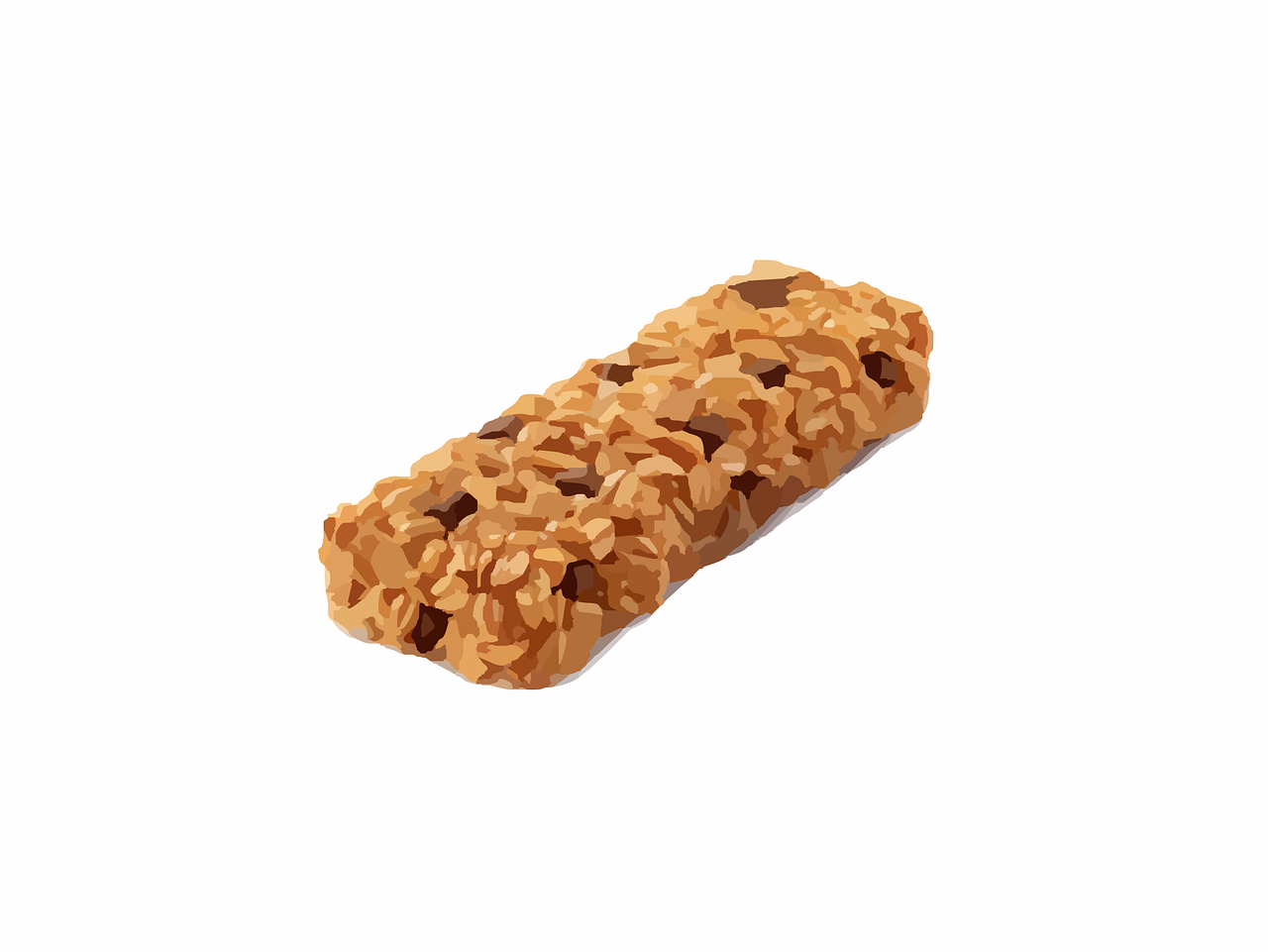
Energy bars serve as essential fuel sources, providing carbohydrates and proteins for cyclists. Choosing the right bar can influence energy levels significantly. It is advisable to select bars that are both nutritious and easy to digest. Some popular options include bars with natural ingredients, while others may incorporate a variety of flavors to suit different palates. When purchasing energy bars, look for options that contain vital vitamins and beneficial fibers. Also, keep an eye out for any allergens. Integrating different bars into your cycling regime can maintain excitement, allowing for exploration of various tastes while ensuring proper energy supply. Furthermore, balancing your intake with sufficient hydration is critical. Carrying water bottles along is imperative as they complement the nutrients found in energy bars. Always keep a regular schedule to consume fuel while cycling; timing can affect performance dramatically. Testing different varieties during training sessions can provide insights into how your body responds. This trial phase will ultimately help you figure out your ideal energy source for long riding sessions, ensuring you’re equipped to tackle any cycling challenge.
The Benefits of Gel Holders
Gel holders are beneficial for cyclists who prefer energy gels for quick energy boosts. These holders come in varying designs and can be attached to a bike frame or worn on jerseys. Gel holders ensure that the gels remain secure during cycling, preventing any accidental spills or messes. The convenience of these accessories allows cyclists to minimize distractions during rides, ensuring they can maintain focus on their performance. Many riders appreciate the ease of reaching into these holders while cycling, which enhances the overall experience. Notably, gel holders can accommodate multiple gels, providing ample nutrition for long-distance rides. Opting for gel holders that have elastic bands or pockets can further secure the gels in place, making it easy to access them without halting. By keeping one’s nutrition readily available, a cyclist can sustain energy and perform optimally. Additionally, some gel holders are designed to match specific bike styles, allowing for a cohesive look. Promoting aesthetics alongside practicality can be a worthwhile investment for dedicated cyclists who prioritize both performance and style.
Identifying the right storage solution often depends on personal preferences and the type of cycling undertaken. Whether riding on roads or trails, energy storage needs can differ. For instance, road cyclists might benefit from aerodynamically designed containers, while mountain bikers may prioritize sturdiness and ruggedness. This variance in requirement means that there’s a plethora of choices available for cycling enthusiasts. Researching and comparing different products can help riders discover what suits them best. Lightweight, compact storage options are usually preferred, making it easier to carry additional gear. Price also plays a crucial role in selection; opting for well-reviewed products often ensures durability and functionality. Reading user reviews can provide insider tips and help cyclists find their perfect accessory. Additionally, considering a functional design that does not impede movement or adds unnecessary weight is key. Striking that balance between functionality and comfort is integral to optimizing performance. Riders are encouraged to try out different solutions before settling on one. Ultimately, the best choice aligns with a cyclist’s unique needs and performance requirements, ensuring an enjoyable riding experience.
Keeping Your Nutrition Fresh
Storing energy gels and bars properly is essential to maintaining their quality while cycling. Exposure to heat and humidity can degrade their nutritional value, which can diminish performance during rides. Therefore, cyclists should be mindful of where they place these items. A dedicated thick-walled container or insulated pouch can help protect against harsh environmental conditions. Additionally, ensure that closures are secure to prevent moisture intrusion. Tools such as resealable bags or specific energy pack holders can also assist in proper storage. When buying energy bars, pay attention to expiration dates; always cycle through older stock first. Proper organization also aids in monitoring freshness; assigning different compartments for various types of nutritional sources can simplify this task. Balancing quantity with quality is critical; always pack sufficient energy for the ride without overloading gear. Small quantities offer better portability while providing ample nutrition. Also, maintain a checklist for necessary items to carry on every ride, ensuring no essential nutrition is missed. Cycling’s unpredictability emphasizes the importance of being prepared, ultimately contributing to a seamless and enjoyable experience.
Regularly replenish your stock of energy gels and bars to avoid running out during critical rides. Establish habits around inspecting supplies before each cycling adventure can prevent unpleasant surprises. Many cyclists fail to account for how their nutritional needs change over longer distances or tougher terrain. Keeping track of personal performance can help gauge future requirements more accurately. The act of logging what was eaten during rides is beneficial; it can influence future purchases, ensuring energy sources align with cycling goals. Furthermore, sharing insights with fellow cyclists can lead to friendly discussions about preferred options. Trade recommendations, styles, and brands can help each rider discover potentially beneficial alternatives. Active community engagement around biking health products enhances the cycling culture, encouraging overall wellness and knowledge sharing. Cyclists are also motivated to experiment with different energy sources and storage solutions, adding efficiency to their rides. Create a network for feedback on various products as word of mouth often leads to excellent discoveries in energy options. The journey toward optimizing nutrition while cycling constantly evolves, emphasizing the need for continuous learning.
The Future of Cycling Nutrition Storage
As cycling gear continues to evolve, so does the technology behind nutrition storage solutions. Innovative designs are regularly introduced, enhancing the cyclist’s experience. Manufacturers are increasingly considering factors such as aerodynamics, weight reduction, and ease of use in their designs. Several brands are also exploring sustainable materials, focusing on environmental impacts. This movement could lead to more eco-friendly options available in the market, minimizing carbon footprints associated with biking. Staying informed about new products can dramatically alter one’s riding routine, ensuring cyclists are not lagging in their performance-related adjustments. Active research and development in cycling nutrition storage is generating exciting advancements. These changes can also cater to specific needs, such as optimum hydration during rides. Cycling enthusiasts are encouraged to remain adaptable, allowing room for new solutions to improve endurance and performance. With a growing awareness around dietary requirements for athletes, nutrition storage options are poised to expand. Cyclists who keep an open mind can discover innovative solutions that may aid in achieving personal goals. Anticipating future gear could revolutionize cycling experiences and encourage riders to push their limits.
Implementing advanced storage technology will ensure cyclists remain ahead in their nutrition game while on the road. Such advancements might integrate smart technology that can monitor nutrient levels and timing for consumption, all while cyclists pedal away. The introduction of these digital aspects can transform the traditional biking setup into a seamless balance between physical activity and nutritional needs. For cyclists seeking efficiency each long distance, those who prioritize staying fueled will benefit significantly from these innovations. As technology becomes integral to our daily lives, its role in biking cannot be overlooked. Future developments will likely redefine traditional energy gel and bar storage, making their usage more intuitive. When contemplating future riding equipment purchases, consider the potential these emerging trends offer. The excitement of a changed landscape where nutrition tankers are enhanced lets cyclists enjoy rides more. Today’s innovations are paving the way for how nutrition storage aligns with performance. In addition, this can also foster a new community around tech-savvy cycling enthusiasts. The landscape is constantly evolving, presenting more options that cater specifically to each rider’s aspirations, ensuring every ride is engaging and fulfilling.