
Exploring the Fitness Model Competition Category
The Fitness Model Competition category offers an exciting platform for athletes who aspire to showcase their physical prowess. Participants typically display a combination of athleticism, aesthetics, and personality, embodying the ideal physique that many fitness enthusiasts strive for. Unlike bodybuilders, competitors in this category focus more on a balanced look that emphasizes overall fitness rather than simply size. Athletes are judged not only on their physique but also on their stage presence, confidence, and ability to connect with the audience. In addition to presenting their bodies, participants often engage in fitness routines that highlight their agility and strength. This category requires a thorough understanding of various poses and how to effectively present oneself. Aspiring competitors should invest ample time in practicing their routines and poses to maximize their potential. Many also seek guidance from seasoned competitors or trainers to refine their skills. The Fitness Model category is becoming increasingly popular, attracting a diverse range of participants from all backgrounds. Each event brings together a vibrant community passionate about fitness, aesthetics, and healthy living, creating uplifting competition environments that energize and inspire.
Those considering entering fitness model competitions should know the preparation required is extensive. Training regimens often involve both strength training and cardio exercises designed to enhance physique and ensure optimal conditioning. Diet plays a crucial role in achieving desired outcomes, and competitors frequently follow strict nutrition plans tailored to their individual needs. Meal prepping and tracking macros become essential components of their routines. Many athletes also share their journeys through social media, providing insight into their training and diet, which can motivate others within the fitness community. While winning is a goal for most, many participants also see these competitions as opportunities for personal growth and self-discovery. Friendships and networking opportunities emerge during these rigorous preparations, and camaraderie develops among competitors. This support can be invaluable, creating a sense of belonging in an often competitive atmosphere. Judging criteria vary across organizations, so being well-researched is vital for contestants, as this can impact how they prepare. Each event may have different rules and expectations, and it’s essential to familiarize oneself with these beforehand for success.
Judging Criteria and Expectations
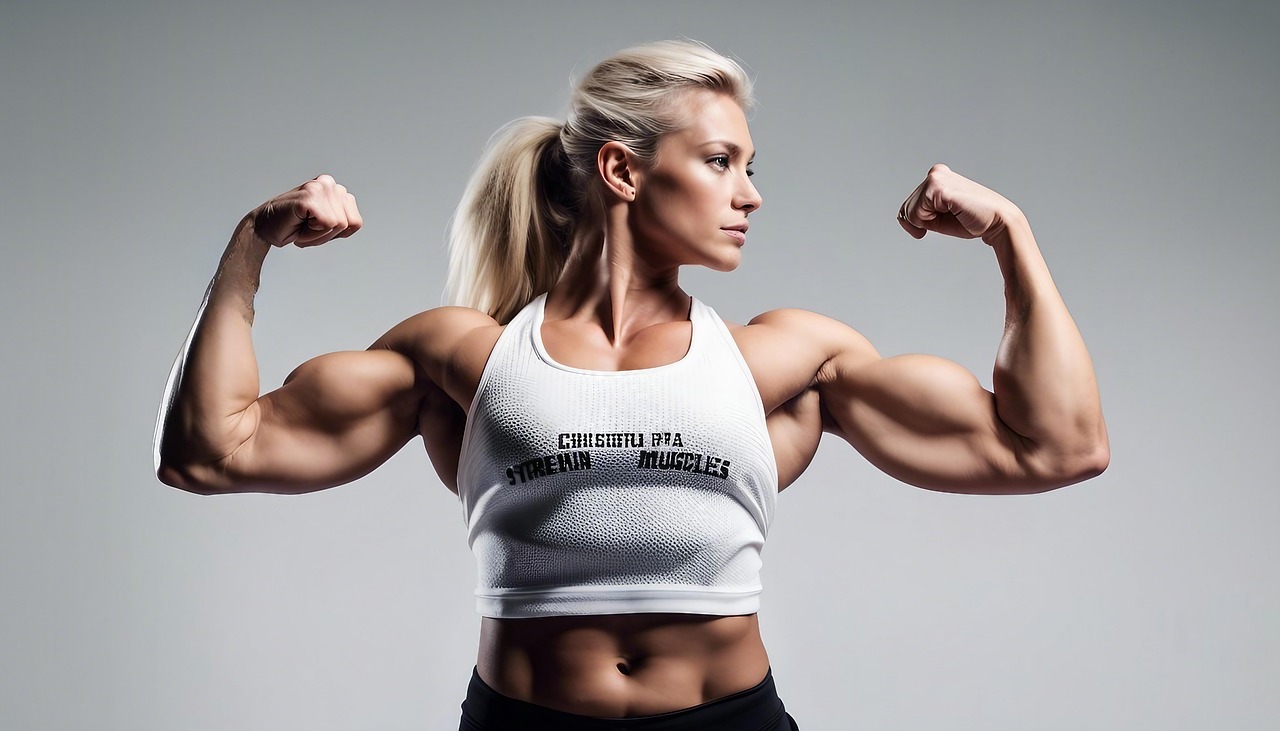
Understanding the judging criteria is essential for those wanting to participate in Fitness Model Competitions. The judges generally evaluate competitors based on several factors, including overall appearance, stage presence, and pose execution. Athletes must ensure they present themselves well, displaying well-defined muscles with a balanced shape, complemented by a healthy glow. Stage presence often requires competitors to engage the audience and radiate confidence while performing their routines, showcasing personality alongside physical ability. Judges look for distinct poses that convey both strength and grace, requiring much practice to master. It is not merely about having the biggest muscles, but about creating an appealing overall package that reflects both athleticism and fitness. Additionally, wardrobe choices can impact judge perception; outfits should enhance the physique highlights while remaining appropriate for the competition. Proper grooming, including hair and makeup, can also factor into final scores. As every competition may set unique expectations, participants should carefully review provided guidelines to ensure compliance. Preparing with knowledge of rules greatly enhances chances of success and helps competitors shine on stage.
The Fitness Model Competition offers various categories to suit athletes’ preferences and physiques. Participants may select divisions based on height, experience, age, or other criteria, resulting in a more inclusive environment where everyone can compete fairly. This classification increases motivation and gives everyone a sense of achievement, no matter the actual rankings or outcomes. No matter the category, all competitors should possess similar dedication, hard work, and passion throughout the preparation process. Performing well in a chosen division will further encourage athletes to continue competing or explore other aspects of the fitness industry. Moreover, regional and national competitions exist, enabling participants to showcase their hard-earned skills at various levels. Many athletes highlight their journeys through social media platforms, promoting positive body image, fitness, and well-being as supportive messages for their followers. This encouragement can inspire others in their fitness journey. Events are often organized in a way that fosters community, making room for those with like-minded interests to connect. Networking opportunities abound, so competitors can find mentors, or even future collaboration opportunities through the relationships fostered at these events.
Community and Support
Building a supportive community is a significant aspect of fitness model competitions. Athletes often bond over shared experiences and similar goals, forming lasting friendships. This support system serves to motivate each other throughout the rigorous preparation process, helping participants stay focused and dedicated. Many athletes use online forums or social media groups to exchange tips, photos, and encouragement. Mentorship also plays a role, with more experienced competitors offering insights and guidance to newcomers in the field. Sharing personal stories of both triumphs and challenges creates a sense of camaraderie among competitors, allowing individuals to feel understood during an often tiring journey. Local fitness groups may even host training sessions to prepare for upcoming competitions. After conquering their challenges together, friendships often extend beyond competition day, leading to long-lasting connections both within and outside of fitness. Events can become mini-reunions, where relationships forged through shared experiences thrive and develop. By nurturing these connections, participants can create a thriving network that promotes growth, collaboration, and success in fitness endeavors.
Preparation for fitness model competitions is more than just physical training; mental preparation is equally crucial. This aspect is often overlooked, yet it plays a vital role in an athlete’s competition success. Building mental resilience and a positive mindset can improve focus and reduce anxiety levels before competing. Techniques such as visualization, meditation, or positive affirmations enable participants to confront challenges head-on. Moreover, maintaining a healthy balance between competition and life responsibilities ensures athletes avoid burnout, which can be detrimental to their progress. Encouragement from friends and family may also help fortify mental strength, inspiring confidence while competing. Some athletes opt for professional coaches or sports psychologists to develop enhanced mental strategies, ensuring they remain composed when facing pressure. Overcoming fear and self-doubt ultimately helps competitors connect with their true potential. Every competitor’s journey is unique, and their thoughts and feelings evolve as they advance through the experience. Therefore, prioritizing mental well-being is essential for finding enjoyment and passion throughout this competitive process, especially on stage.
Looking Ahead in Fitness Competitions
The fitness model competition landscape continues to evolve, welcoming an increasing number of participants each year. This surge indicates how the pursuit of fitness and the desire to showcase personal achievements are growing stronger in society. Athletes continually raise awareness about healthy lifestyles and inspiring transformation stories, encouraging others to embark on their fitness journeys. As more competitions emerge, opportunities for athletes to showcase their talent expand, providing increased platforms for connectivity with industry professionals. In turn, those involved can interact with sponsors, coaches, and media while widening their exposure and influence. Innovating event formats may also foster exhibitions for demonstrations and learning opportunities, resulting in holistic experiences for participants. Future trends suggest incorporating technology, including fitness apps and virtual competitions, providing even greater accessibility. Competitors who adapt to these changes become trailblazers for future events, creating ways for engaging unique training methods. As this competitive scene continues to flourish, it inspires new generations of individuals, encouraging healthy lifestyles and authentic representation of fitness in today’s society. Thus, the importance of fitness model competitions extends far beyond mere participation and encompasses a broader purpose.
In conclusion, fitness model competitions celebrate not only physical abilities but also the vibrant community surrounding them. As participants refine their skills and knowledge, they cultivate friendships and networks that enhance their personal and professional lives. Competitors realize the power of collaboration, building supportive relationships to navigate the challenges they face. These competitions encourage individuals to pursue their goals courageously and redefine their abilities, maximizing their potential. Driven by others’ passion and determination, many participants ultimately emerge stronger and more empowered than when they began their fitness journeys. The stories of perseverance and connection showcase the heart of the fitness model competition category, highlighting the transformative potential of fitness in people’s lives. The dedication to personal growth and community engagement makes this arena a significant element in today’s fitness culture. As athletes continue to challenge themselves and support one another, they create pathways for positive change well beyond the stage. In doing so, inspiring others, sharing knowledge, and motivating fellow athletes become shared intentions reinforcing the beauty of this competitive experience.