
How Skateboarders Have Shaped Urban Landscapes and Culture
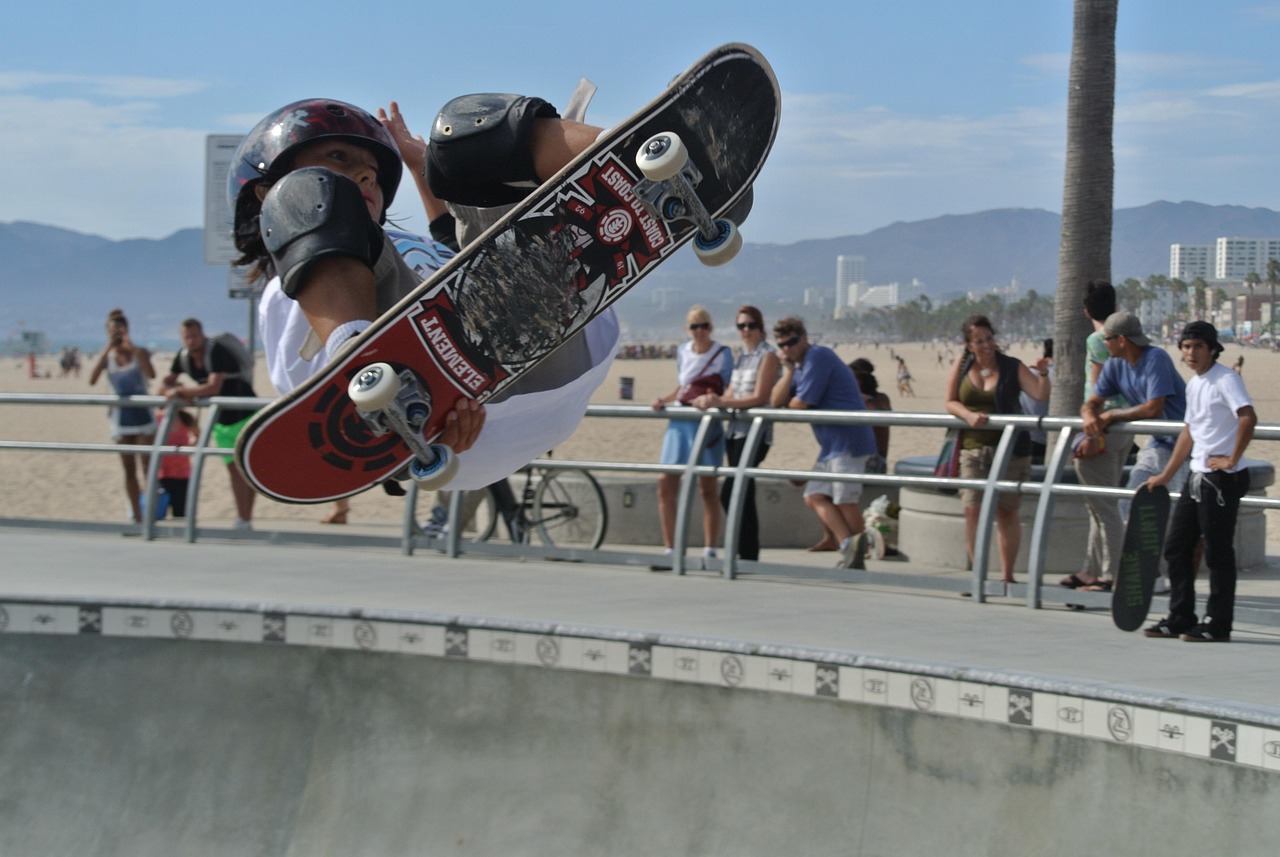
The evolution of skateboarding has profoundly influenced various urban landscapes and culture. Originally, skateboarding emerged as a means of mobility and expression. As it developed, skateboarders started to transform vacant lots, streets, and plazas into makeshift skate parks. This transformation not only addressed their need for a suitable place to skate but significantly changed the dynamics of these environments. Urban planners began to acknowledge the importance of skate parks as public spaces that promote athleticism, creativity, and community engagement. This shift has led to numerous cities embracing skateboarding as a legitimate part of urban infrastructure. Skateboarding culture has also merged with art and fashion, influencing streetwear trends and inspiring local artists. By actively choosing to assert their presence in the urban landscape, skateboarders have reshaped perceptions about public spaces. The movement has even attracted sponsorships from major brands wishing to target younger demographics inclined towards sports culture. Many prominent athletes advocate for access to safe skating environments, highlighting the need for government support in providing resources and sustainable facilities, thus further reinforcing skateboarding’s place in urban development.
The Cultural Impact of Skateboarding
Skateboarding has forged a unique cultural identity that transcends mere sport. The global influence of skateboarding can be seen in fashion, music, and art. Iconic skate brands have developed popular clothing lines that appeal not just to skaters but to the general public. Influencers and musicians often incorporate skate culture into their image, perpetuating its relevance. Artistic expression is an integral part of skateboarding, showcasing diverse creativity through imagery found on skateboards and throughout urban areas. Murals, graffiti, and branded designs reflect skaters’ lifestyles and struggles, linking the sport with local culture. Additionally, skate videos serve as artistic platforms displaying impressive tricks and urban exploration, becoming an essential part of the community. These videos inspire new generations while exposing the sport to a broader audience. The portrayal of skateboarding in films captures its rebellious spirit, establishing connections between skaters and those outside the sports world. Through media representation, skateboarding continues to challenge societal norms and play a crucial role in discussions surrounding youth culture, resilience, and creativity, fostering admiration from enthusiasts and newcomers alike.
The influence of famous skateboarders cannot be overstated in shaping urban culture. Pioneers like Tony Hawk, Rodney Mullen, and Nyjah Huston have become household names, showcasing their skills and fostering a new generation of talent. Their contributions have pushed the boundaries of the sport, inspiring countless individuals to pick up a skateboard. Additionally, these athletes have established their own brands, showcasing innovative designs that allow them to express their personalities. They have also ventured into mainstream entertainment, making appearances in television shows, movies, and documentaries. These interactions bridge the gap between skateboarding and the general populace, portraying skaters as role models and advocates for a positive lifestyle. Their influence has pushed skateboarding into the mainstream, leading to its recognition in various sports competitions. These competitions highlight the technicality of the sport while attracting a global audience. The emergence of the X Games and the inclusion of skateboarding in the Olympics serve to further legitimize the sport. The impact of these famous athletes transcends their individual achievements and resonates within the broader socio-cultural context of urban life.
Community Building Through Skateboarding
Skateboarding fosters a tight-knit community among its enthusiasts. Unlike traditional sports, skateboarders often find camaraderie in sharing spaces, techniques, and experiences. This sense of belonging extends to participating in events or competitions that promote friendship and collaboration. Skate parks often act as community hubs, inviting skaters of all skill levels to practice and learn together. These interactions contribute to the development of mentorship dynamics, found predominantly in local neighborhoods. Skaters who possess experience often guide newcomers, teaching them essential skills while building confidence. Furthermore, local skate shops often integrate into the skate community, providing much-needed resources and support. They frequently host events that offer a platform for emerging talent to showcase their skills. An inclusive environment creates a vibrant skate culture that emphasizes progress, diversity, and creativity. Many skaters advocate for community-driven initiatives, such as public art projects and contests. These activities encourage shared ownership of spaces and contribute to a heightened awareness of the significance of youth engagement in urban areas. Ultimately, skateboarding cultivates lifelong friendships and creates lasting impacts on urban communities.
Throughout history, skateboarding has faced its fair share of challenges and criticisms. Initially viewed as a nuisance, skateboarders often struggled against city ordinances prohibiting skating in public spaces. This negative perception stemmed from safety concerns and conflicts with property owners. However, over time, advocacy and awareness within the skateboarding community have aimed to foster understanding and cooperation among stakeholders. Discussions about the benefits that skateboarding can provide to urban environments have gained traction. They emphasize the importance of dedicated spaces that accommodate skaters, promoting active lifestyles and community interaction. Legalizing skateboarding in urban areas has led to increased acceptance and partnerships between cities and skaters. City planners are acknowledging the need for skate-friendly infrastructure, encouraging designs that incorporate skateboarding elements. New developments may integrate parks and amenities that cater to the needs of skateboarders while enhancing the urban experience for all residents. As advocacy continues, organizations now work to educate communities on the value of skateboarding. Their efforts shine a light on how skaters can contribute positively to urban spaces, and advocate for essential resources and facilities.
Skateboarding and Environmental Awareness
Skateboarding synergizes well with environmental wisdom, raising awareness about sustainability and eco-friendliness. It encourages individuals to engage with their surroundings intelligently and navigate urban landscapes creatively. This unique relationship between skateboarding and environmental advocacy connects deeply within skateboard culture, emphasizing respect for nature and responsibility among skaters. Many skaters champion eco-friendly products and brands that prioritize sustainability in their manufacturing processes. Recyclable materials are increasingly being utilized for skateboard decks and wheels. This choice resonates with the eco-conscious consumer and underscores the sport’s commitment to environmental awareness. Skateboarding also promotes walkable cities, encouraging active transportation over motorized vehicles. This shift contributes to cleaner and healthier urban spaces. Skate parks are often constructed with sustainable practices, such as utilizing renewable materials and minimizing waste. Moreover, skateboarding initiatives incorporate environmental stewardship by organizing clean-up events at skate parks, fostering a culture of caring for communal spaces. Recognizing this trend highlights the role skaters play in promoting environmental responsibility. Through their dedication to skating, they inspire others to adopt sustainable practices, making an impact on urban planning and development.
In conclusion, skateboarding remains a vital force in shaping urban landscapes and culture. Its unique blend of athleticism, creativity, and community engagement has left an indelible mark on society. From influencing fashion trends to fostering camaraderie and awareness, skateboarding encourages individuals to embody resilience and authenticity. The recognition of skateboarders as integral contributors to urban life bolsters their presence in public discourse. Additionally, unveiling skateboarding’s role in promoting sustainability drives a deeper understanding of its impact on urban development. As communities become increasingly aware of the benefits of skateboarding, it is imperative to create dedicated spaces for this dynamic sport. Embracing urban skaters and ensuring their voices are heard will cultivate thriving environments and enrich cultural identities. The future of skateboarding relies on fostering inclusive communities that celebrate diversity and innovation. By equipping urban areas with resources and facilities, fellow athletes can continue inspiring future generations. The story of skateboarding is one of triumph; it continues to evolve, demonstrating its influence on the world and urban culture at large.
In summary, the transformation brought about by skateboarding over the years demonstrates its profound influence on urban landscapes and culture. Skateboarders have not only adapted to their environments but actively shaped them through creativity and initiative. The cultural evolution resulting from this sport has helped celebrate diversity and foster inclusivity within urban areas. Awareness campaigns, community initiatives, and creative projects reflect this spirit. The longstanding and supportive relationship forged between skateboarders and their environments exemplifies the value found in embracing alternative lifestyles. By making connections, breaking barriers, and initiating conversations, skateboarding defies traditional norms and expands possibilities. This continued evolution offers a testament to the powerful role that communities can play collectively. It is essential to support sustainability while promoting progress and development within outdoor spaces. Skateboarding bridges generational gaps, empowering individuals to celebrate their differences while building shared experiences. The future holds the potential for further community impact, presenting opportunities for innovative urban planning and engagement. Thus, to understand the evolving urban landscape and culture, one need only look at the profound influence skateboarders and their initiatives continue to have.