
Using Cross-Training to Promote Injury Resistance in Parkour
Parkour is a physically demanding sport that requires agility, strength, and coordination. One key aspect that practitioners often overlook is injury prevention through cross-training. Engaging in different athletic disciplines can significantly help reduce the risk of injuries commonly associated with parkour training. Cross-training enhances overall physical fitness by developing strength in various muscle groups that might not be engaged during parkour practice alone. For instance, engaging in swimming can improve cardiovascular endurance without the stress on joints that running typically involves. Similarly, yoga is beneficial for increasing flexibility, which enhances performance in parkour and prevents injuries. Resistance training also plays a crucial role in building muscle strength, targeting areas such as core muscles, which are essential for stability during jumps and landings. Additionally, cross-training diversifies workouts, keeping motivation high and reducing burnout. Practicing different movements and techniques strengthens the body in unexpected ways. Therefore, if practitioners commit to a structured cross-training regimen, they can expect not only to see improved performance but a lower incidence of injuries over time, making parkour practice safer and more enjoyable.
The Importance of Strength Training
Strength training is a fundamental element of injury prevention in parkour, as it builds the muscle resilience necessary for dynamic movement. Muscles act as shock absorbers during high-impact activities, and the stronger they are, the better they protect the joints and connective tissues. Incorporating weights, resistance bands, or even bodyweight exercises like pull-ups, dips, and squats will significantly improve muscle strength. One effective strategy is focusing on the core, which stabilizes the body when executing complex parkour maneuvers. Developing a strong core can help mitigate the risks associated with falls and other potential mishaps during training sessions. To maximize benefits, practitioners should aim to establish a balanced workout regime that prioritizes all major muscle groups. This includes legs for jumping, arms for support, and the core for stability. In addition, circuit training can be particularly useful, combining different forms of strength training into a single session. This approach helps improve muscle endurance. As a result, parkour enthusiasts not only reduce injury risk but also enhance their resilience and performance levels, paving the way for more adventurous endeavors.
Cardiovascular fitness is another vital component of training for parkour practitioners. Engaging in activities that elevate heart rate and improve lung capacity can be incredibly beneficial for injury prevention. A well-known example includes running, which effectively strengthens both cardiovascular endurance and leg muscle strength. Building a strong cardiovascular foundation enables practitioners to recover more effectively during sessions and be more agile while performing tricks. Other excellent cardio exercises include cycling, swimming, or high-intensity interval training (HIIT). These activities can complement a parkour-focused routine while ensuring that the body remains agile and responsive. Prioritizing cardiovascular health also reduces the risk of fatigue-related injuries. Excessive fatigue can lead to instability when performing parkour movements. As practitioners tire, their technique often diminishes, increasing susceptibility to injuries. Hence, establishing a consistent cardiovascular curriculum is pivotal to sustaining the energy output needed for parkour. Incorporating a variety of cardio workouts can maintain motivation and prevent monotony. A dual-focus agenda involving both cardiovascular training and parkour can effectively enhance an athlete’s overall capability, ensuring they are well-prepared for their parkour challenges.
The Role of Flexibility and Mobility
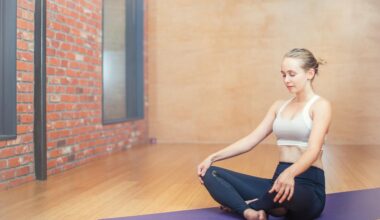
Flexibility and mobility are crucial aspects of an effective injury prevention strategy in parkour. Adequate flexibility allows practitioners to maintain a full range of motion, which is essential for executing various movements safely and skillfully. Performing dynamic stretching before workouts warms up the muscles, preparing them for the rigors of training. Meanwhile, static stretching post-training promotes muscle recovery, helping to reduce soreness and potential injuries. Practices such as yoga or Pilates can be highly effective in improving flexibility and overall body control. These exercises not only enhance physical capabilities but also foster mental focus, a critical component when navigating challenging parkour routes. Additionally, practitioners need to pay attention to joint mobility as it plays a vital role in maintaining proper body mechanics during movements. For optimal performance, regularly incorporating specific stretches targeting muscles relevant to parkour can enhance agility and responsiveness. This attention to flexibility ensures that when an unexpected challenge occurs, an athlete’s body can react accordingly without injury. Therefore, prioritizing flexibility and mobility is essential for anyone committed to succeeding in parkour while minimizing injury risks.
Nutritional considerations should not be overlooked when discussing injury prevention in parkour. Fueling the body with the right nutrients plays a foundational role in recovery and overall athletic performance. A well-balanced diet rich in proteins, carbohydrates, and healthy fats provides the necessary energy for rigorous training sessions. Proteins are particularly vital in repairing muscle tissues damaged during intense workouts. Consuming fruits and vegetables also supplies your body with essential vitamins and minerals, contributing towards better immune function and overall health. Staying hydrated is another critical element; adequate hydration facilitates joint lubrication, which can help mitigate the risk of injuries. When engaging in parkour, dehydration may lead to muscle cramping or reduced coordination, both of which can contribute to accidents. Additionally, timing meals and staying consistent with healthy eating habits ensures sustained energy levels throughout the training process. Ultimately, adopting a sound nutritional strategy aligns perfectly with an effective training regimen. Integrating nutritional awareness into daily routines enhances performance capacity and injury resistance, cementing the foundation for long-term success in parkour endeavors.
The Benefits of Rest and Recovery
Rest and recovery are critical components that often get undervalued in a rigorous training schedule. The body’s recuperation process is essential for muscle repair and rebuilding, which directly contributes to injury prevention. Scheduling rest days allows muscles to recover, diminishing the risk of overuse injuries, which are all too common among parkour practitioners. Moreover, incorporating active recovery techniques, such as light yoga or gentle stretching can promote blood flow and enhance flexibility. Understanding the balance between training and rest enables athletes to optimize performance while preventing fatigue-related issues. Sleep also plays an invaluable role in physical recovery; adequate sleep aids in cognitive functions, mood stability, and overall performance capacity. Insufficient sleep can hinder performance, leading to poor decision-making that increases the risk of injuries. Practitioners should aim for a sleep routine that ensures thorough rest. Regularly including rest periods in a training schedule is more beneficial than relentless training. Maintaining this balance supports a sustainable approach to parkour. Effective management of recovery ensures athletes remain energetic and capable, paving the way for continuous improvement while minimizing injury risks.
In conclusion, incorporating cross-training as part of a holistic approach to parkour can promote injury resistance effectively. Maintaining a diverse training regimen that includes strength training, cardiovascular workouts, flexibility exercises, and proper nutrition significantly enhances overall performance while reducing injury risks. Emphasizing strength training builds muscle capacity, essential for dynamic movements typical in parkour. Cardiovascular fitness ensures high energy levels and speedy recovery, while flexibility increases the range of motion, allowing for safer execution of maneuvers. Nutrition sustains energy and supports recovery, and rest ultimately allows for the necessary recuperation processes. By intentionally focusing on these areas, parkour athletes will not only experience improvements in their skills but also build a stronger foundation for long-term participation in the sport. Ultimately, a balanced cross-training regime allows athletes to embrace the art of parkour more safely and enjoyably, transforming challenges into accomplishments. Practitioners are encouraged to recognize the value of cross-training for its comprehensive benefits, creating opportunities for growth while significantly reducing injury potential. Thus, integrating these elements creates a safer parkour journey, fostering resilience and excellence.
Final Thoughts on Injury Prevention
Embracing cross-training as a central aspect of parkour training can help to change the way athletes approach their craft, leading to better performance alongside lower injury rates. By leveraging the wisdom found in diverse athletic disciplines, those invested in parkour can enrich their training experience. Cross-training builds robust physical and mental capability, fostering not only injury prevention but also enhancing joy and personal growth within the sport. As new practitioners enter the parkour community, understanding the multifaceted benefits of varied training methods provides valuable insights into achieving longevity and success. Cultivating overall fitness that extends beyond just parkour moves sets a foundation for mastering the art and skill of parkour. With these insights, athletes can make the conscious choice to prioritize both the pursuit of excellence and their physical well-being. Promoting a culture of safety and injury prevention cultivates a thriving community, ensuring that everyone can enjoy the freedom and creativity that parkour offers for years to come. Therefore, fostering the principles of cross-training ultimately builds a stronger, more capable, and injury-resilient generation within the parkour world.