
Yoga for Back Pain Rehabilitation: Effective Poses and Techniques
Yoga has emerged as an effective approach to managing back pain. This ancient practice combines physical postures, breathing techniques, and mindfulness, which together help relieve pain and restore mobility. One of the critical components of yoga is developing strength and flexibility in the spine, which is essential for a healthy back. Regular practice can help relieve tension, improve alignment, and enhance overall well-being. Various yoga poses are specifically designed to stretch and strengthen the muscles supporting the spine. Gentle, mindful movements can benefit those suffering from chronic back pain and acute injuries alike. For anyone starting a yoga journey for rehabilitation, it’s crucial to consult a qualified instructor who can guide you through suitable poses based on your individual needs. Safety should always be a priority as certain postures might exacerbate discomfort rather than relieve it. By incorporating yoga into daily routines, individuals can experience profound improvements in their back health. The focus on breath also fosters relaxation, contributing to pain management as it reduces stress and cultivates a sense of calm, essential for healing.
Key Poses for Back Pain Relief
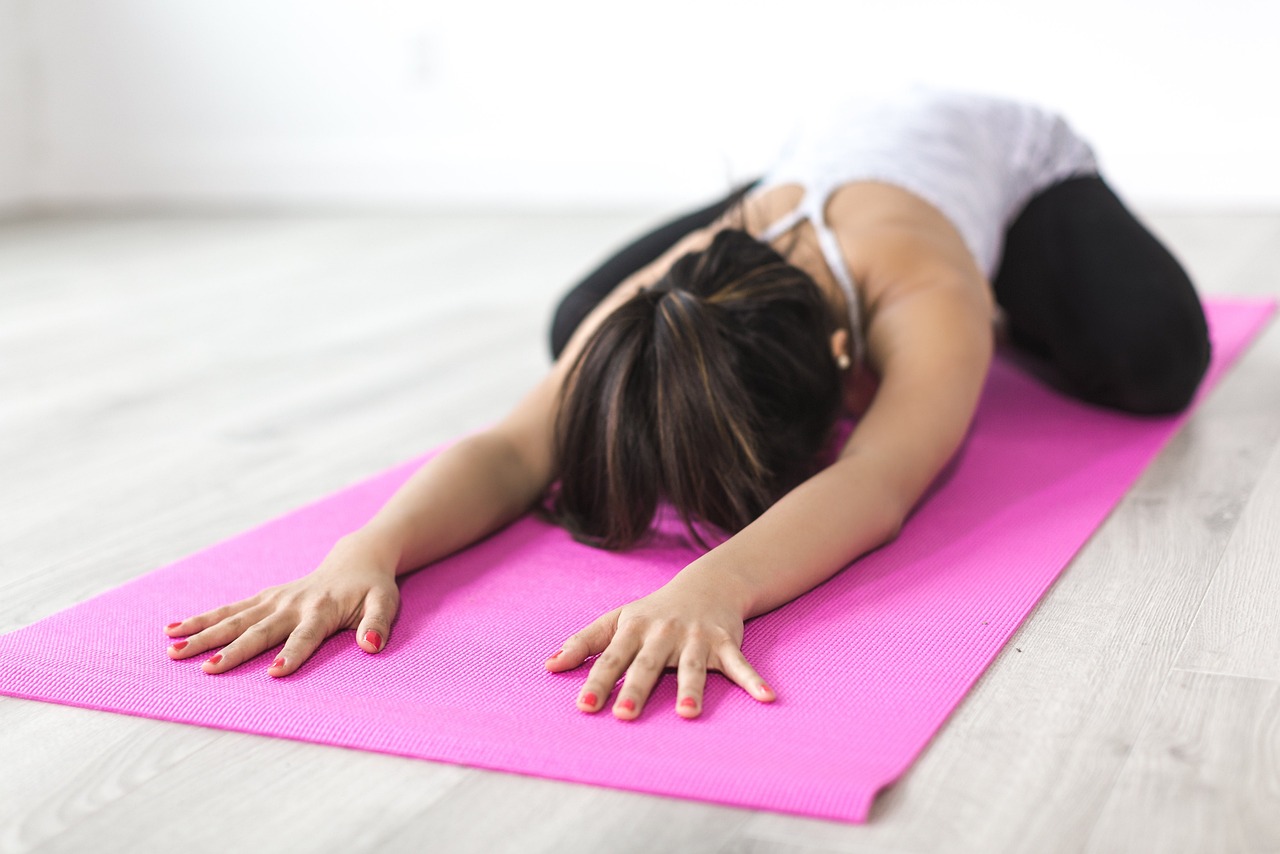
Several yoga poses specifically target back pain and promote recovery. Child’s Pose is a gentle stretch that provides relief to lower back tension. Another valuable pose is Cat-Cow, which increases flexibility in the spine while releasing tension in the neck and shoulders. For deeper stretch, Downward-Facing Dog is beneficial as it elongates the spine and strengthens the entire back, aligning the body effectively. A restorative option is Sphinx Pose, allowing passive stretch while maintaining a supportive posture. It’s crucial to perform these with proper alignment to avoid strain. Forward bends, such as Paschimottanasana (Seated Forward Bend), can also promote relaxation and length in the lower back. Triangle Pose offers stability and engages core muscles, promoting strength. These poses should be practiced slowly and mindfully, focusing on breath to facilitate deeper connections with the body and respect limitations. Integrating these poses into a regular routine can help alleviate discomfort significantly. Working with an experienced instructor can ensure you’re performing poses safely and correctly, maximizing benefits while minimizing risks.
Incorporating yoga into rehabilitation not only helps alleviate pain but also aids in regaining strength and flexibility lost during injury. Establishing a consistent practice can create a crucial foundation for a healthier lifestyle, emphasizing body awareness and self-care. For successful rehabilitation, it’s imperative to engage in gentle practice without overexertion. Listening to your body is fundamental; if a pose causes pain, it should not be forced. Modifying poses according to personal comfort levels is crucial for safe practice. Props like blocks and straps can be utilized to ease transitions and modifications, enabling individuals to maintain proper alignment while effectively engaging the body. Moreover, employing breathwork alongside physical postures enhances focus and can release emotional tension stored in the body. Individuals may experience profound shifts in both mental and physical states during yoga sessions. Making a habit of practicing these rehabilitative poses creates a cumulative effect, offering gradual improvements over time. Individuals often report enhanced energy levels, increased range of motion, and reduced discomfort. Therefore, adopting a holistic approach through yoga can significantly aid in the recovery process.
The Importance of Breathing Techniques
Alongside physical postures, breathing techniques are essential for effective yoga practice, particularly in rehabilitation settings. Pranayama, or breath control, helps to improve oxygen flow to tissues and muscles, facilitating healing. Learning to breathe deeply encourages relaxation, reducing anxiety and promoting mindfulness during practice. One effective technique is diaphragmatic breathing, which engages the diaphragm fully while expanding the abdomen, allowing for fuller breaths. Additionally, incorporating Ujjayi breath can create a soothing rhythm during practice, anchoring the mind and reducing distractions. Controlled breathing helps in aligning movements with breath, enhancing overall practice. This synchronized approach not only maximizes the benefits of each pose but also builds awareness about the body’s limits. Adjusting breath based on yoga practice can help manage discomfort and provide deeper relaxation. Cultivating a mindful relationship with breath can prompt insights into habits and patterns, fostering a deeper impact in rehabilitation. Hence, integrating these techniques within the routine may significantly improve the experience of pain relief and empowerment, giving individuals more control over their rehabilitation journey.
To further enhance the effectiveness of yoga for back pain rehabilitation, developing a balanced routine that includes both strengthening and stretching is vital. Focusing solely on restorative postures may offer short-term relief but might not address underlying weaknesses in the core or back muscles. Incorporating poses like Bridge and Plank helps build strength in the supporting muscles, bridging the gap between flexibility and strength. It is equally essential to work on balance, integrating poses such as Tree Pose to enhance stability. Yoga promotes a comprehensive approach to rehabilitation, addressing physical needs while nurturing emotional well-being. Emotional release can often accompany physical tension, making it critical to be open during the process. Many find that emotional blocks manifest as physical pain, and engaging mindfully in practice can assist in uncovering these. Journaling or gentle reflections post-practice can also promote awareness of one’s relationship with pain and movement. Support from a community or classes specializing in therapeutic yoga can help maintain motivation. A holistic approach allows individuals to experience the interconnectedness of body and mind, paving the way for profound healing experiences.
When to Seek Professional Help
While yoga can be remarkably beneficial for back pain rehabilitation, there are instances when professional help should not be overlooked. Persistent or worsening symptoms despite regular practice should prompt a consultation. It is vital to identify the root causes of back pain, as specific injuries and conditions may require tailored treatment plans. Physical therapists and medical professionals can provide assessments and personalized advice that complement yoga practice. They may recommend specific exercises or modifications based on individual conditions to ensure safety. Moreover, addressing issues such as disc herniation or sciatica through targeted interventions can enhance overall recovery. Combining yoga with other rehabilitation modalities may offer a more rounded approach, particularly for those managing chronic pain. It is essential to communicate with instructors about any injuries so they can guide you safely through poses. Engaging in a collaborative approach between yoga instructors and healthcare providers can optimize rehabilitation. Individuals can integrate pain management strategies more effectively, maximizing their recovery journey and promoting sustainable health practices.
In conclusion, yoga serves as a powerful tool for back pain rehabilitation through employing specific poses, controlled breathing, and mindfulness. Individuals may experience a notable reduction in pain alongside improvements in flexibility and strength by incorporating a tailored yoga practice into their healing journey. The importance of consistency and listening to one’s body cannot be overstated, as personalized practices yield the best results. Always remain open to modifications and exploring what best suits your needs throughout the process. Collaboration with other healthcare professionals ensures safety and thorough care. Implementing breathing techniques alongside physical movements nurtures a holistic approach, addressing physical discomfort while promoting emotional wellbeing. Regular practice solidifies gains made during rehabilitation, encouraging individuals to cultivate sustainable habits for long-term health. Embrace the journey and the insights gained through yoga, ensuring it remains a delightful and transformative experience rather than a chore. As you explore the world of yoga for back pain rehabilitation, focus on the benefits, and remember to enjoy the process. Moreover, fostering a supportive community can enrich this journey significantly as shared experiences foster growth.