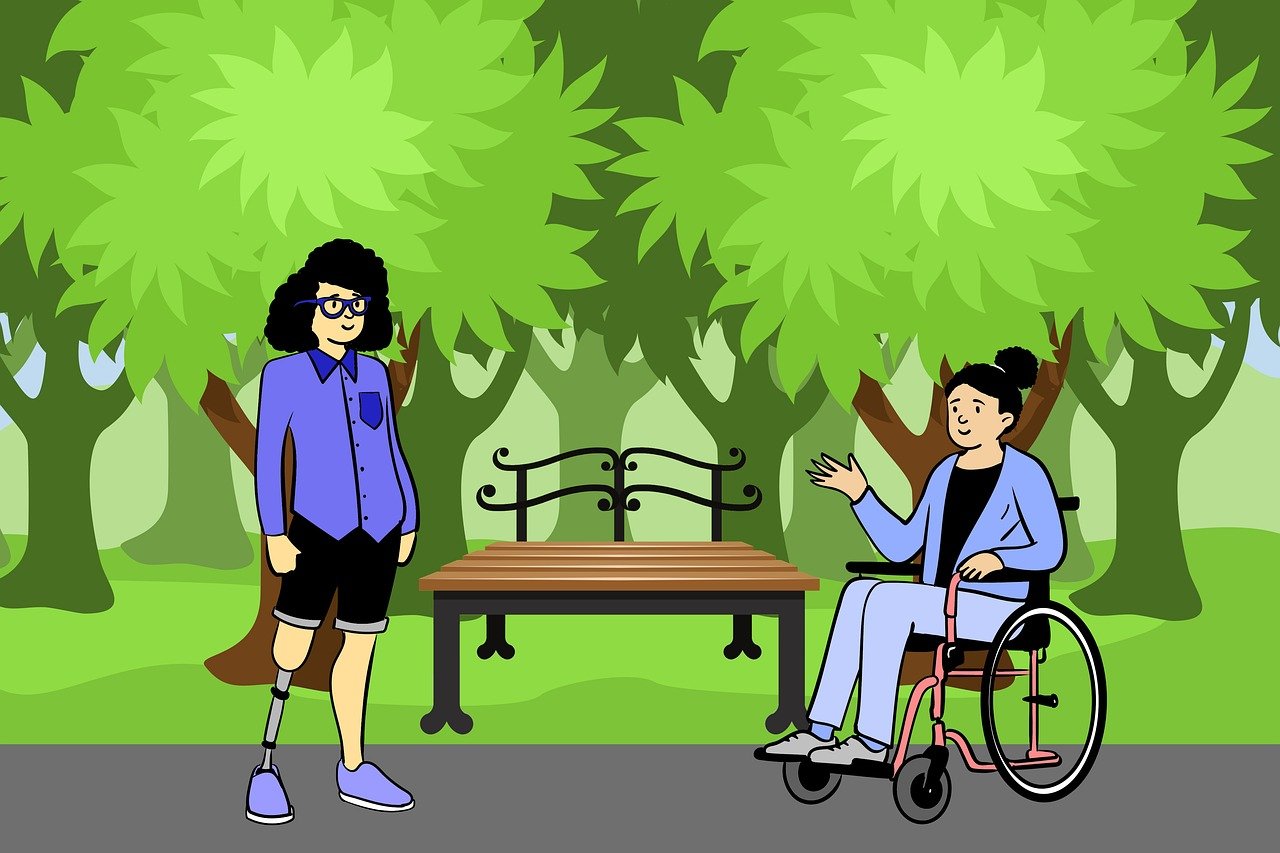

Advancements in Biomechanics for Custom Prosthetic Socket Fabrication
In recent years, advancements in biomechanics have significantly improved the fabrication of custom prosthetic sockets. The use of advanced materials and technologies has led to enhanced comfort and functionality for amputees. These developments include 3D printing and computer-aided design (CAD) methods, enabling the creation of sockets that fit the unique anatomy of each patient. With precise measurements, prosthetists can create customized solutions that cater to the specific needs of the user. Technologies such as scanning and modeling allow for a more iterative approach. This ensures that the final product is tailored accurately, while minimizing the traditional two-step fitting process. The application of biomechanics also aids in understanding the stress distribution on the residual limb. By analyzing movement patterns and forces through gait analysis, practitioners can adjust socket designs to optimize performance and reduce complications. These innovations not only improve the quality of life for prosthetic users but also promote independence and physical activity. With ongoing research and development, the future holds great promise for further advancements in this field, raising expectations for prosthetic design and patient outcomes.
Enhanced comfort is crucial in the realm of custom prosthetic socket fabrication, as traditional sockets have often led to skin irritation or pressure sores. With refined biomechanics focusing on load distribution, newer designs permit better energy transfer during walking or running. Innovations in lightweight, breathable materials have mitigated the weight issues commonly associated with prosthetic components. Users can now engage in various activities without discomfort and pain that often arise from poorly fitted prosthetics. Also, integrating smart technology into sockets allows for real-time adjustments based on user activities. For instance, sensory feedback mechanisms offer insights into limb pressure distribution, which can then prompt design modifications for further refinement. This is especially important for athletes or active individuals who require a responsive and adaptive socket. Research supports that not only do these approaches reduce the risk of secondary health concerns, but they also encourage a more active lifestyle. Embracing the concepts of biomechanics breaks down previous barriers in prosthetic health, leading to better fitting and more aesthetic options. Thus, the collaboration between technology, biomechanical research, and patient feedback creates a dynamic ecosystem that fosters amazing advancements in prosthetic solutions.
Integrative Approach to Prosthetic Design
Collaboration among various disciplines proves essential in advancing prosthetic socket designs, notably biomechanics, engineering, and orthopedic therapy. This integrative approach has led to innovative outcomes that address patient-specific issues. When biomedical engineers work directly with prosthetists, they can exchange insights that significantly influence design improvements. For instance, using biomechanical analysis tools, it becomes feasible to simulate and visualize the stresses experienced during different activities. Such methodologies help in predicting potential points of failure or discomfort. Furthermore, including physical therapists in the process ensures that the end product aligns with rehabilitation goals. Consequently, the iterations based on feedback allow for enhanced user satisfaction. This knowledge exchange cultivates a better understanding of the wearer’s lifestyle needs and instills confidence in the prosthetic device. By considering aspects like range of motion and daily activity levels, manufacturers can build suitable sockets for actively engaged users. Collectively, this multidisciplinary strategy results in customization that refers to both aesthetic design and functional integrity. With continuous innovations in biomechanics and user-centric approaches, the dream of perfecting prosthetic socket fabrication inches closer to reality, leading ultimately to improved outcomes for amputees.
Utilizing 3D scanning technologies has revolutionized the way prosthetic sockets are designed, providing highly accurate measurements of the residual limb. This technology offers precise digital replicas of the limb, capturing its shape and contours more effectively. Subsequently, these data can seamlessly transition into 3D printing techniques for the creation of the final socket. The efficiency gained from these methods is enormous, reducing production times considerably while ensuring exceptional fit and finish. For patients, this means less waiting time for a functional prosthetic that meets their unique needs. Moreover, 3D printing allows for intricate designs that were previously unattainable, such as complex geometries that enhance comfort or adjustability. Additionally, having the ability to iterate designs rapidly promotes testing diverse configurations and materials, optimizing the function of each device. Real-world testing becomes simpler, as minor adjustments can be computed without restarting production from the very beginning. Using 3D scanning and printing together not only democratizes access to advanced prosthetic solutions but also positions custom socket fabrication as an exciting frontier in biomechanics. As the synergy between biology and technology strengthens, the standards for prosthesis quality elevate significantly across the board.
Impact of User Feedback in Iterative Design
User feedback stands out as an essential component in the development of custom prosthetic sockets. Studies show that involving wearers provides invaluable insights that improve designs remarkably. Prosthetic users understand intimately how their sockets function during daily activities, informing manufacturers about aspects such as comfort, aesthetics, and utility. This ongoing dialogue creates a feedback loop where user experiences directly steer innovation, allowing for adjustments that align with real-world experiences. For instance, prosthetic users often report on features like weight distribution, flex, and fit, highlighting any discomfort encountered in various situations. By directly integrating this feedback into design revisions and prototyping, manufacturers can enhance both the performance and satisfaction of the prosthetic socket. Empowering users to participate in the design process fosters a sense of ownership and encourages their commitment to utilizing the device. Additionally, their input helps streamline the fitting process, comparing rapidly to previously time-consuming methods. Ultimately, taking user feedback seriously not only improves prosthetic functionality but also builds a community of individuals advocating for more ergonomic designs tailored to the diverse experiences of amputees.
Future trends in biomechanics for custom prosthetic fabrication indicate a movement towards enhanced functionality and personalized solutions. Emerging technologies, such as artificial intelligence, are increasingly being incorporated into prosthetic design processes. AI algorithms can analyze vast amounts of mobility data, providing insights that were previously unattainable. Consequently, predictive models can assist in the design of sockets that adapt to the user’s specific movements or even predict future adjustments based on activity changes. This level of customization can revolutionize the wearer’s experience, presenting solutions that were unimaginable a few years ago. Additionally, advancements in telemedicine can facilitate remote consultations and virtual fittings, making quality healthcare more accessible for amputees in even the most remote locations. All these innovations demonstrate a commitment to embedding advanced technology into the field of prosthetics. Research institutions and manufacturers are collaborating more closely than ever before, setting the stage for widespread changes within the sector. As this field continues to evolve, expect to see breathtaking advancements that may redefine not only prosthetics but how biomedical engineering interacts with the human experience overall.
Conclusion and Future Possibilities
In conclusion, the advancements in biomechanics for custom prosthetic socket fabrication are paving the way for transformative changes in the experiences of those who rely on prostheses. By embracing interdisciplinary collaboration, technology integration, and user feedback, the prosthetics community is driving innovation further than ever before. Each of these aspects plays a critical role in shaping the future of custom prosthetic sockets, ensuring that they meet diverse needs and enhance user satisfaction. As techniques improve and research progresses, the potential for even more nuanced and personalized solutions becomes clearer. The opportunity to design sockets that not only fit more comfortably but also equip users with smart capabilities indicates a bright future ahead. It’s key that stakeholders—manufacturers, healthcare professionals, and users—continue working together diligently. Striving for better, safer, and more efficient prosthetics will only serve to improve the health outcomes for countless individuals. Ultimately, as the technology evolves and patient-centric approaches are prioritized, the possibilities seem limitless and may lead to a world with enhanced mobility and quality of life for amputees.
The field of biomechanics and custom prosthetics is undoubtedly on a thrilling trajectory, considering the rapid pace of technological progress. With ongoing innovation at the crossroads of engineering, health, and aesthetics, create pathways toward new solutions that can help individuals regain their lives post-amputation. Educational institutions and research initiatives continue to contribute immensely to this field, promoting a culture of curiosity and discovery. By gaining access to the latest advancements, practitioners can ensure that they offer the best options available for their patients. Attending conferences and engaging in collaborative workshops plays a key role in keeping professionals updated on emerging trends. The insights and strategies gained from these gatherings can significantly shape practices and patient education. With continuous advancements, we can expect further enhancements in not only the functionality of prosthetics but also in their overall integration into individuals’ lifestyles. As the future unfolds, maintaining a commitment to innovation, compassion, and ethical practices will undoubtedly foster an environment where these advancements can flourish and truly serve those in need, ultimately benefiting societies as a whole.