
Choosing the Right Skateboard for Downhill Racing
Choosing the right skateboard for downhill racing is crucial to achieving speed and stability. A good downhill skateboard is typically longer and wider than a standard skateboard. This design allows for better maneuverability at high speeds. Additionally, skateboard materials play a vital role in performance. A quality deck made from maple or bamboo offers durability and flexibility. Flexibility helps absorb shocks from rough terrain, while a sturdy design prevents board snapping during aggressive rides. Furthermore, wheel size and durometer are important. Larger wheels (around 70-80mm) are preferable for downhill racing as they roll over obstacles more easily. The durometer rating should typically be softer, around 78A to 83A, allowing better grip on downhill slopes. The trucks on the skateboard should also be robust, allowing you to lean deep into turns while maintaining stability. Quality bearings are essential for smooth and fast rides. Consider precision bearings for better speed. Additionally, safety gear such as helmets and knee pads should not be neglected. After selecting all components, assembling the skateboard correctly is vital for optimal performance.
Another important aspect to consider is your riding style. If you prefer technical downhill races, a board with a longer wheelbase might be suitable. Several brands offer skateboards specifically designed for downhill racing. If you want a board with a high degree of stability, look for wider trucks. The benefits of selecting the right skateboard further extend to personal comfort. Ensure your foot placement feels secure. Riding position influences balance and performance during racing. Choosing a drop-through style skateboard can make foot placement easier while improving stability at high speeds. The board’s weight is also a significant factor. Heavier boards can offer more stability, but lighter options are easier to maneuver. Test several boards to find one that aligns with your comfort and performance needs. Don’t forget about the bearings; high-quality, precision bearings will help you achieve maximum speed. Lastly, it’s worth looking into board shapes as different shapes cater to various riding styles. Consulting with fellow skaters or knowledgeable retailers can provide insight into finding the ideal board for your downhill racing needs.
When assembling your skateboard, pay attention to the components. The deck should endure the high impact of downhill riding. Opting for reinforced decks can be beneficial. As mentioned before, wheel size is crucial; consider the 70-80mm range for ideal performance. Pay special attention to tread patterns on the wheels, as they significantly impact performance on different surfaces. The grip tape quality also matters; it should provide sufficient friction to keep your feet planted during high-speed maneuvers. Selecting appropriate hardware is another important step. Ensure that the screws and nuts used to assemble the skateboard are of high quality to withstand potential stress. In addition, maintenance of these components prolongs their lifespan. Regularly check for any wear and tear on the trucks and wheels. Eventually, the bearings will also require cleaning or replacement to keep the skateboard functioning optimally. Proper attention during assembly and maintenance will significantly improve your skateboarding experience, allowing for more aggressive riding. Embracing aftermarket upgrades can also elevate your setup. Adding risers, for example, can help improve wheel clearance.
Essential Gear for Downhill Racing
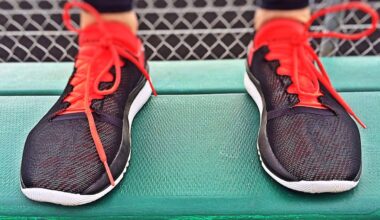
Safety gear is non-negotiable when downhill racing. Skateboarding at high speeds increases the risk of falls, and wearing proper protective gear drastically reduces injury risk. Start with a high-quality helmet; it should fit snugly yet comfortably. Look for helmets specifically designed for sports to ensure optimal protection. Next, invest in knee and elbow pads. They can shield you from scrapes and abrasion during tumbles. Wrist guards are also valuable, particularly for beginners learning how to fall properly. Remember, falling is part of the learning process. As you become more skilled, the chances of significant falls diminish, but precaution is always wise. Additionally, consider padded shorts to protect your hips and tailbone. They may seem like an unnecessary buy, yet they can significantly enhance your comfort level. It’s also essential to wear appropriate clothing while riding. Choose comfortable and flexible materials that don’t restrict your movements. Finally, shoes matter; skate shoes with a good grip on the board enhance stability and control while riding downhill. If you plan on racing frequently, ensure all your gear is of high quality.
Additionally, knowledge about local downhill racing events is important for enthusiasts. Many communities host races that offer opportunities for skateboarders to test their skills and meet fellow riders. Participating in these events can give valuable insights into the best practices for downhill racing. Research local clubs or organizations dedicated to downhill skating; they often provide resources and support for riders at all skill levels. Networking with other skateboarders enhances your understanding of board selection, riding techniques, and safety practices. These interactions can help you learn more about maintaining your skateboard, enhancing performance, and making informed decisions. Besides events, online communities also offer resources for skateboarders. Websites and social media groups often become platforms to share tips, experiences, and gear recommendations. Consider following industry professionals on social media; they frequently share valuable updates about equipment and techniques. Engaging with different resources like forums provides an avenue to ask questions and overcome challenges in downhill racing. Always stay updated with the latest trends in downhill skateboarding. Understanding evolving technology can significantly impact your choices and performance.
Finally, it’s essential to embrace practice as much as possible. Developing skills in downhill racing takes time and dedication; familiarity with your board will enhance your confidence and control. Begin on safe, paved areas to practice your balance, speed control, and turning techniques. Focus on the fundamentals before attempting steep hills. Risking too much too soon can lead to accidents, so prioritize gradual progression. As you become comfortable with your board, work on improving your cornering technique. Practicing cornering will allow smoother transitions while racing downhill. It’s also beneficial to understand weight distribution on your board. Learning how to shift your weight effectively is key for navigating sharp turns and maintaining stability. Engage in group rides to observe and learn from more experienced downhill racers. Their advanced techniques and methods can provide insights that you might not learn alone. Experiment with different countertops, which can impact your ride differently based on their composition and surface texture. Finally, always be mindful of your limits. Keeping an open mind and being receptive to feedback is crucial in the skating world.
Conclusion on Choosing the Right Skateboard
In conclusion, selecting the right skateboard for downhill racing involves a mix of knowledge about skateboards and personal preferences. Factors include wheel size, material, and safety gear, all of which significantly influence your experience. Make informed decisions based on research and your comfort level. Remember that no matter how technical or streamlined your setup may be, the crucial aspect is how it suits your personal style and comfort. Try out different boards until you find the one that meets all your expectations. Safety should always be your priority, so invest in quality protective gear. As you refine your skills, continue learning about industry trends and techniques to stay ahead. Building a community with fellow skateboarders will enhance your knowledge and experience in downhill racing. Most importantly, commit to practicing consistently to improve your skills. Enjoy the thrill that comes with downhill racing while being mindful of your safety. Racing downhill offers an exhilarating experience unlike any other, so take your time to prepare and develop your skills. With the right equipment and mindset, you are all set for an enjoyable experience.
This sport is a journey filled with excitement and learning.