
Common Shoulder Injuries in Athletes: Prevention and Treatment
Shoulder injuries are prevalent among athletes due to the physical demands of many sports. These injuries can significantly impact performance and lead to long-term issues if not addressed properly. Athletes participating in sports such as swimming, baseball, and tennis face unique risks related to shoulder injuries. There are various types of shoulder injuries, including rotator cuff tears, shoulder dislocations, and tendonitis. Each injury can vary in severity and require different treatment approaches. Understanding how these injuries occur is essential for both prevention and rehabilitation. Overhead movements and repetitive stress can lead to overuse injuries that derail training and performance. Moreover, age, physical conditioning, and biomechanics play crucial roles in predisposition to shoulder injuries. Proper training and conditioning can strengthen shoulder muscles to support joint stability. Athletes should be aware of their body mechanics and ensure proper techniques when engaging in sports activities. Regular assessments by healthcare professionals specializing in sports medicine can help identify potential issues. Therefore, educating athletes about prevention and focusing on shoulder health is paramount in minimizing injury risks.
Types of Shoulder Injuries
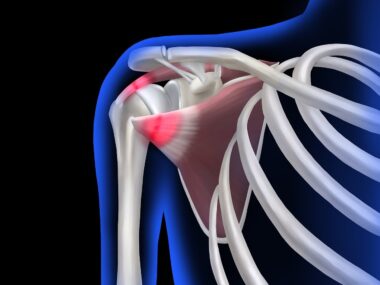
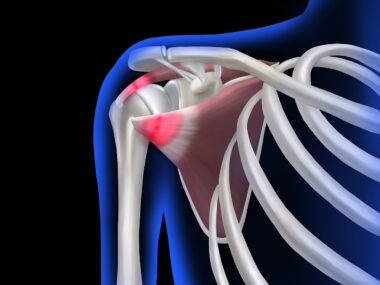
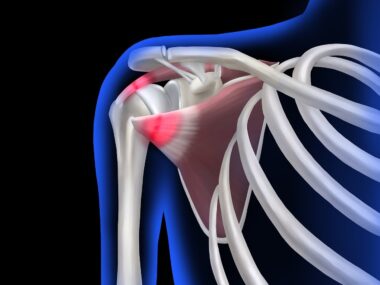
One of the most common types of shoulder injuries among athletes is the rotator cuff tear. This injury occurs when the tendons that stabilize the shoulder joint are injured, leading to severe pain and reduced range of motion. Common symptoms include weakness, pain during specific movements, and difficulty lifting objects overhead. Shoulder dislocations also pose a significant risk, often resulting from falls or collisions in contact sports. A dislocated shoulder can cause intense pain and swelling and may require immediate medical attention to relocate the joint. Another prevalent shoulder issue is tendonitis, an inflammation of the tendons surrounding the shoulder. Athletes commonly experience this condition from repetitive overhead motions, leading to pain, tenderness, and stiffness. Bursitis is another inflammatory condition involving the bursa, a fluid-filled sac that cushions the shoulder joint. Each of these injuries can hinder athletic performance and necessitate proper rehabilitation measures. Timely diagnosis and treatment are critical to prevent further damage and promote effective recovery. Seeking professional guidance can help athletes return to their respective sports safely.
Preventive measures play a vital role in reducing the risk of shoulder injuries among athletes. Strength training is essential for developing the muscles around the shoulder, providing stability and support. Exercises focusing on the rotator cuff and scapular stabilizers can improve overall shoulder function. Stretching should not be overlooked, as it helps maintain flexibility and range of motion. Athletes should incorporate dynamic warm-ups into their routines to prepare the shoulder for activity and reduce injury risk. Proper technique is critical, particularly in sports requiring overhead motions, to prevent undue stress on the shoulder joints. Athletes must focus on mastering their sport’s fundamentals to avoid bad habits contributing to injuries. Regular conditioning sessions with a focus on shoulder health can help maintain muscle balance and prevent injuries. Athletes should also pay attention to fatigue levels and be mindful when fatigued, as this can increase injury risks. Adequate recovery time between training sessions allows the body to heal and adapt. Promoting awareness about these preventive strategies among athletes is crucial to fostering a healthier sports environment.
Treatment Protocols for Shoulder Injuries
When it comes to treating shoulder injuries, a well-structured protocol is essential for recovery. Initially, the RICE method—Rest, Ice, Compression, and Elevation—is recommended to reduce inflammation and manage pain. This approach can provide significant relief, especially in the early stages of an injury. Once the acute symptoms are managed, athletes should engage in physical therapy under the guidance of a professional. Targeted exercises can restore strength and flexibility to the impacted shoulder, emphasizing gradual progression. Electrotherapy and ultrasound modalities can also aid in pain management and promote healing. If conservative treatments fail and the injuries are severe, surgical intervention may be necessary. Surgical options can range from arthroscopic procedures to repair torn tendons to shoulder stabilization surgeries for dislocated joints. Post-surgery, a structured rehabilitation plan is crucial for restoring functionality and strength to the shoulder. Athletes must adhere to the recovery protocol and avoid rushing the process to achieve optimal results. A successful return to sports hinges on proper rehabilitation and ongoing care to prevent future injuries. Therefore, comprehensive education on treatment options is highly beneficial.
After recovering from a shoulder injury, ongoing maintenance is key to preventing re-injury. Athletes should focus on gradually reintroducing sport-specific movements while ensuring they maintain strength and flexibility. Regular assessments with sports medical professionals can help monitor shoulder health and identify potential issues early. Developing a consistent conditioning program that includes strength, flexibility, and stability exercises is vital. Athletes are encouraged to incorporate cross-training into their routines to balance muscle development and reduce stress on the shoulders. Nutrition also plays a crucial role in recovery and maintaining overall shoulder health. Consuming a diet rich in anti-inflammatory foods, such as omega-3 fatty acids and antioxidants, can aid recovery. Hydration is essential for soft tissue repair and muscle function, which should not be overlooked. Listening to one’s body and recognizing signs of discomfort is important, as pushing through pain can exacerbate existing injuries. Creating an open dialogue about shoulder health with trainers and coaches fosters an environment of awareness and support. Ultimately, a proactive approach toward shoulder care ensures athletes remain active without the looming threat of re-injury.
Conclusion
In conclusion, understanding the common shoulder injuries faced by athletes, coupled with effective prevention and treatment strategies, is essential for maintaining athletic performance. Athletes involved in sports with high shoulder demands should prioritize shoulder health by focusing on strength training, flexibility, and technique. Awareness of injury types such as rotator cuff tears, dislocations, and tendonitis can help engage athletes in their rehabilitation process, encouraging them to seek timely medical attention. Implementing preventive measures, such as proper warm-up routines and technique refinement, can significantly reduce the likelihood of injuries occurring. Should injuries arise, following appropriate treatment protocols is vital for ensuring a full recovery and returning to sport safely. Lifelong maintenance of shoulder health through conditioning and nutrition is crucial for preventing future injuries. Lastly, fostering an environment of education, communication, and support within teams allows athletes to navigate their sports safely. Emphasizing shoulder care can transform the approach athletes take toward their training and ultimately enhance their performance on the field, court, or track.
By prioritizing shoulder health, athletes can enhance their performance and longevity in sports. Engaging in regular assessments with healthcare professionals enables proactive measures to be taken. Coaches and trainers play an integral role in promoting shoulder awareness among athletes. Furthermore, fostering a culture of injury prevention and education contributes to a healthier sports environment. Athletes should not hesitate to address any discomfort they experience, recognizing that early intervention can lead to a more successful outcome. By embracing a holistic approach to sports medicine, including both physical and mental aspects of recovery, athletes can achieve their best potential. Collaboration among healthcare providers, athletic trainers, and coaches will ensure comprehensive care. As knowledge about sports medicine continues to evolve, athletes must stay informed and adaptive. Participating in workshops and training sessions on injury prevention can further equip athletes with tools to protect their shoulders. By adopting these perspectives, athletes can sustain their performance levels while minimizing the burden of injuries. Ultimately, a commitment to shoulder health promotes not only athletic success but also overall health and well-being.
Sports medicine has come a long way, with a growing emphasis on comprehensive approaches to athlete care. The increasing recognition of sports-related shoulder issues drives innovation in treatment techniques and preventive measures. As research expands, more effective therapies and rehabilitation practices become available, offering hope to athletes facing shoulder injuries. By focusing on the latest advancements in sports medicine, athletes can return safely and efficiently. Embracing new technologies, such as biomechanical analysis and telemedicine consultations, can provide invaluable insights into injury prevention. In addition, the collaborative efforts between traditional medicine and sports science unify to improve athlete performance and safety. Furthermore, addressing the psychological aspects of dealing with injuries can enhance recovery outcomes. Mental resilience and support systems play a significant role in navigating the challenges of rehabilitation. Therefore, opening discussions about mental health within athletic settings is beneficial. Ultimately, athletes must prioritize both their physical and mental well-being as they strive for excellence in their respective sports. Engaging with sports medicine professionals and staying informed about current practices will empower athletes to navigate their sporting journeys successfully.