
Postnatal Fitness: Safe Stretching Strategies for New Moms
Returning to fitness after childbirth is a vital aspect of recovery, especially for new moms. Learning safe stretching techniques prepares the body effectively for both physical activity and everyday movements. After pregnancy, women may experience weakened muscles and tightness due to the physical changes their bodies underwent during this transformative period. These postnatal stretches can improve flexibility and helps build strength in targeted areas. Before beginning any stretching routine, it’s crucial for new mothers to consult with their healthcare provider to ensure safety. Starting slowly and listening to your body is key, especially in those early weeks after delivery. Progressive stretching can support recovery and ease discomfort. Additionally, focusing on the pelvic floor and core muscles can provide foundational stability. Practicing stretches not only aids in physical recovery but can also enhance emotional well-being, offering a time for self-care. When performed with intention, postnatal stretches can significantly impact a mother’s overall fitness journey. By embracing mindful movement, new moms can connect with their bodies and cultivate strength, resilience, and a sense of accomplishment as they navigate motherhood.
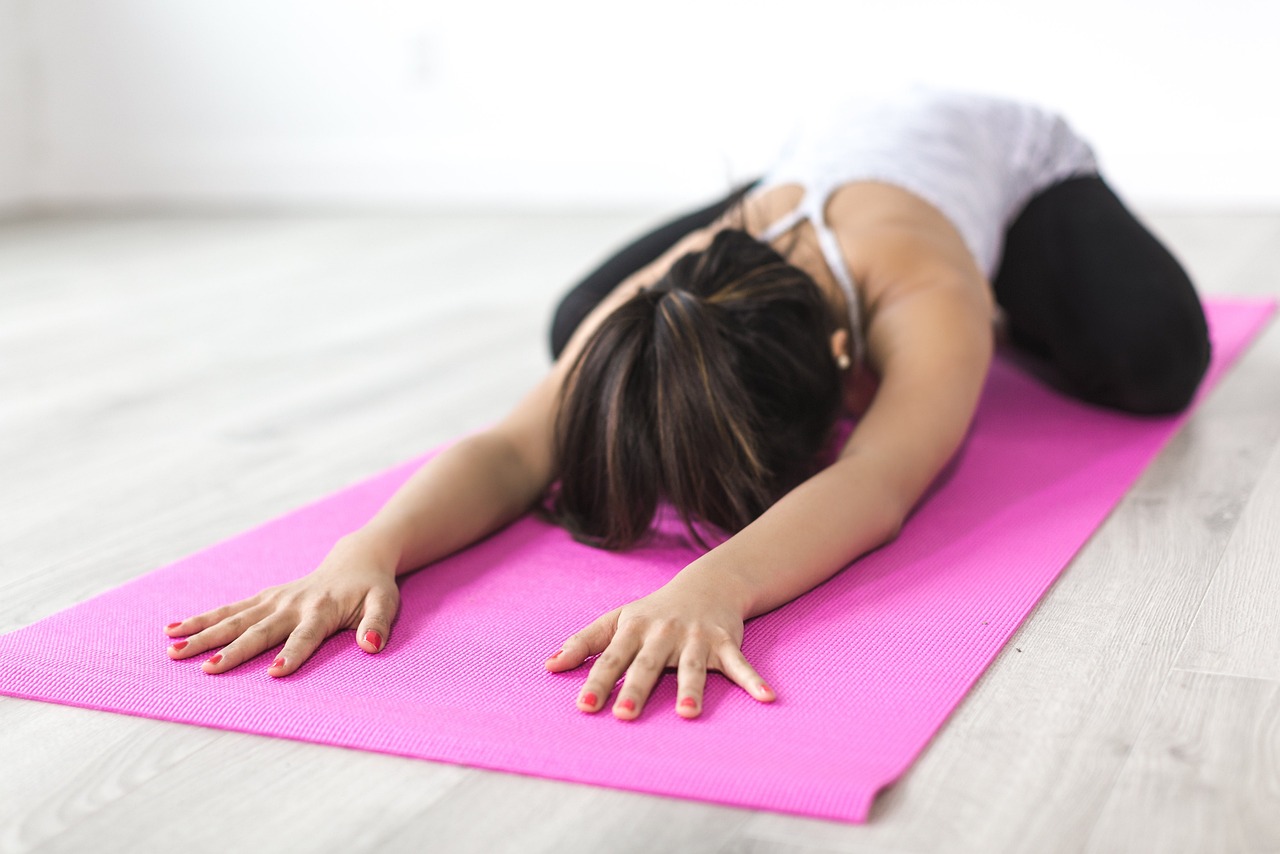
Incorporating safe stretching techniques into your postnatal routine can be incredibly beneficial. Begin with gentle movements to restore mobility and promote blood circulation. Popular stretches for new moms include the Child’s Pose, Cat-Cow stretch, and Seated Forward Bend. These stretches target the back, hips, and core while providing a sense of relaxation. When practicing stretches, always focus on your breath, inhaling deeply and exhaling fully. This not only calms the nervous system but enhances the effectiveness of each movement. Holding each stretch for 15 to 30 seconds can help ease muscle tension and increase flexibility over time. It’s essential to remind yourself that you are regaining your strength gradually. Modification of stretches to accommodate any discomfort is encouraged. Stretching isn’t just about physical health; it also promotes mental and emotional well-being. Try to integrate stretches into your daily routine, perhaps during moments when the baby is napping. Engaging in a few minutes of stretching can create a refreshing break and help you feel more balanced and centered throughout the day.
Understanding Your Body’s Needs
Every postpartum body is unique, with individual needs and recovery timelines. It’s important for new moms to pay attention to cues from their bodies, recognizing when to push forward and when to rest. Some women may feel overwhelming tightness, while others may experience weakness or instability after giving birth. Establishing a connection with your body through safe stretching can provide vital insights into areas needing attention. Consider your posture throughout the day as well; this can impact tightness in different muscle groups. Incorporating stretches that address common areas of tension, such as the lower back, shoulders, and hips, can significantly alleviate discomfort. Additionally, women might find strength in group classes focused on postnatal recovery. These environments can provide support, encouragement, and the opportunity to learn effective stretching techniques from trained professionals. Investing time in understanding your body fosters a positive experience in returning to fitness. Each stretching session can be seen as a step towards regaining your pre-pregnancy strength, confidence, and flexibility, helping you feel grounded in your postpartum journey.
Stretching in family-friendly environments can also be beneficial. Consider using a yoga mat during your stretching routines, creating a designated space for yourself, no matter how brief. You may incorporate fun elements by involving your baby, allowing you to bond while working on your fitness. Incorporating your child into stretching routines allows you to stay active while attending to their needs. Make use of interactive stretches, such as holding them in your arms during gentle movements like lunges or torso twists. Not only does this promote bonding time, but it also allows you to multitask. However, always prioritize safety when incorporating your child into workouts. Ensure that your movements are controlled and that you have the space to stretch without risking injury. Listening to your body is paramount during these sessions. Any discomfort or pain during movements should lead you to adjust or cease the activity. Connecting stretches to time spent with your baby can create joyful moments, reinforcing that fitness can be enjoyable and an integral part of motherhood.
Safety Comes First
Safety remains a top priority when engaging in stretching routines postpartum. New moms are encouraged to avoid any movements that feel uncomfortable or exhibit unnatural ranges of motion. The abdominal region is particularly sensitive; therefore, exercises that require excessive energy in this area should be modified accordingly. Also, consider consulting a physical therapist specializing in postpartum recovery. They can provide valuable guidance and customize stretching techniques to fit your unique body and recovery needs. Focus on proper alignment and posture during each stretch to prevent injury. Practicing in front of a mirror can help ensure that movements are performed correctly. Moreover, wearing supportive apparel that allows for comfortable movement is essential. Stretching should feel good, not forced and uncomfortable. If you encounter pain, it’s vital to stop and reassess. Pay attention to how your body responds to various stretches; keeping a journal of your progress can be a helpful tool. Reflecting on how stretches make you feel can enhance your mindfulness towards your recovery journey post-baby, ensuring a purposeful and safe approach to your fitness.
As new moms embark on their fitness journey, incorporating safe stretching strategies fosters an empowering experience. To maximize the benefits of stretching, consider forming a routine that aligns with daily activities. For instance, try to practice a few stretches while waiting for the kettle to boil or while playing with your baby on the floor. Folding short sessions into your day can yield significant gains over time. Additionally, it’s useful to track your progress through a fitness app or daily planner. Celebrating small milestones, like being able to hold a stretch longer or feeling less tightness, can provide motivation. Group support is invaluable; participating in mom-and-baby classes creates an encouraging atmosphere. These classes may include guided stretching and bonding activities, making it easier to cultivate a healthy mindset while strengthening physical health. Moreover, engaging with other new mothers allows for shared experiences, learning, and encouragement during those early months of motherhood. Building community can be an uplifting aspect of navigating postnatal fitness, reinforcing dedication to a balanced and health-oriented lifestyle.
Making Stretching a Habit
Establishing a stretching habit can lead to long-term health and well-being for new mothers. To develop consistency, consider setting aside specific times each day for your stretching routine. Combine stretches with other daily activities, where feasible. For example, stretching while your baby enjoys tummy time fosters bonding and allows you to cultivate exercise during a natural lull. Creating a checklist of stretches you want to incorporate can aid in staying organized and focused. Gamifying the process helps keep the enthusiasm alive, while a visually appealing checklist can act as a constant reminder. Furthermore, choosing a relaxing and inspiring environment, perhaps with calming music or nature sounds, can motivate regular practice. Stretching contributes to the overall physical benefits of postnatal fitness while serving as a moment for self-reflection and rejuvenation. Scheduling it as an unmissable appointment for oneself emphasizes the importance of self-care. Above all, staying adaptable is key. If circumstances change, and there isn’t an ideal moment for a full routine, mini-stretch sessions throughout the day still add value. Progress may come in small increments, but consistency enriches the recovery process and fosters a healthier lifestyle.
The journey toward postnatal fitness through safe stretching strategies is a rewarding experience for new moms. Each stretch contributes not only to physical recovery but also to emotional resilience and stability. Continuous practice and learning about your body reinforce a healthy lifestyle for both you and your baby. As you embark on this fulfilling path, remember to be gentle with yourself, celebrating every small victory along the way. Your health and fitness are evolving, driven by consistent effort and a focus on what feels good for you. Embrace this opportunity to cultivate strength, confidence, and connection with your body, leading to an empowered experience in motherhood. Establishing a stretching practice allows you to honor your body’s needs while nurturing a positive relationship with fitness. Consider this time as an essential part of your recovery and bonding with your child. Gaining insights through each session can foster appreciation for the incredible adaptability of your body. Ultimately, practicing safe stretching empowers you to approach your postnatal journey with courage, building a solid foundation for future fitness endeavors. Share your experiences and tips with other new moms and cultivate a supportive community dedicated to postnatal health!