
Recovery Techniques for Adventure Racing Athletes
Adventure racing involves extreme physical challenges that require rigorous training, endurance, and proper recovery techniques for athletes. After demanding races, recovery should be prioritized to enhance performance and reduce injury risk. Effective recovery techniques include rest, hydration, nutrition, and active recovery methods. Sports drinks, rich in electrolytes, replenish lost sodium and potassium. Moreover, consuming protein immediately after races supports muscle repair and growth. Just as important, sleep allows the body to heal and rebuild. Athletes should aim for at least seven to nine hours of quality sleep each night. Techniques such as stretching, foam rolling, and massage aid muscle recovery and maintain flexibility. Athletes need to incorporate rest days into their training schedules to avoid overtraining. Additionally, practicing mindfulness techniques can alleviate post-race stress and enhance emotional well-being. Proper recovery ultimately leads to better performance in subsequent races, promoting overall physical health and endurance. By implementing these techniques, participants can enjoy not just the thrill of adventure racing but also a healthier lifestyle, which, in turn, benefits their long-term athletic careers, reinforcing the importance of recovery after intense physical challenges.
Hydration Strategies for Optimal Recovery
Hydration plays a critical role in recovery for adventure racing athletes, especially after intense competitions and extended physical exertion. During races, dehydration can impair performance and slow recovery rates. Therefore, athletes should develop hydration strategies that include both pre- and post-race practices. Ideally, before a race, participants should consume fluids to optimize hydration levels fully. During the race, water and electrolyte beverages are essential to sustain energy levels and prevent dehydration. A combination of water and sports drinks, containing sodium and carbohydrate, aids in optimal recovery. Post-race, athletes should prioritize rehydration by consuming fluids rich in electrolytes to restore balance. Additionally, measuring body weight before and after races helps athletes determine fluid loss. For quick recovery, they should drink approximately 1.5 times the amount of fluid lost. Often overlooked, beverages rich in carbohydrates facilitate quick glycogen replenishment, further enhancing recovery. Smoothies, coconut water, and even hydration tablets assist in this process. By maintaining proper hydration, adventure racing athletes can improve recovery times, ensuring they are ready for future challenges, which ultimately leads to improved performance in subsequent events.
Nutrition is a vital component of recovery that adventure racing athletes cannot ignore. Proper post-race nutrition replenishes energy stores used during competition and promotes muscle repair. Within thirty minutes of finishing a race, athletes should aim for a combination of carbohydrates and protein to kick-start recovery. Studies suggest that a 3:1 ratio of carbohydrates to protein is optimal for muscle recovery. Examples of effective post-race snacks include protein shakes, yogurt with fruit, or a turkey sandwich. Furthermore, whole foods such as fruits and vegetables supply essential vitamins and minerals. Antioxidants found in berries, for instance, mitigate oxidative stress from intense physical activity. Additionally, consuming omega-3 fatty acids from sources like fish or flaxseed can help reduce inflammation. Athletes might also consider using supplements if whole foods alone do not meet nutritional needs. However, awareness of dietary preferences and restrictions is crucial. Working with a sports nutritionist can provide personalized nutrition strategies. Ultimately, the right nutrition before and after endurance events fosters strong recovery, enhancing performance over time and sustaining health for an athlete’s career in adventure racing.
Rest and Sleep Importance for Recovery
Rest and sleep are fundamental aspects of recovery for adventure racing athletes following strenuous exertion. Engaging in extreme sports demands not only physical endurance but also adequate recovery periods for every athlete. After intense training sessions, allowing time for the body to recover is crucial. This includes scheduled rest days in training routines, providing muscles time to repair and rebuild. During sleep, the body undergoes critical processes necessary for recovery, especially muscle growth and repair through the release of growth hormones. Athletes should aim for a consistent sleep schedule, going to bed and waking up at the same time daily, optimizing recovery through quality rest. Furthermore, creating a suitable sleep environment is vital—darkness, cool temperatures, and eliminating distractions promote deeper sleep. Techniques such as relaxation exercises before bedtime can also assist in achieving better sleep quality. For athletes, mindfulness practices like meditation can reduce stress, contributing to improved sleep quality. With effective rest strategies in play, athletes not only enhance their recovery but also boost their performance, allowing them to tackle future races with vigor and strength. Considering rest an integral part of training is imperative for sustaining long-term athletic endeavors.
Active recovery involves low-intensity activities that aid recovery without exhausting the body further, making it an ideal practice for adventure racing athletes. Engaging in simple activities such as walking, light cycling, or swimming helps maintain blood circulation, facilitating the delivery of nutrients to fatigued muscles. Incorporating yoga and stretching into the recovery plan enhances flexibility and reduces soreness dramatically. These activities promote relaxation, helping alleviate mental fatigue often following strenuous competition. Athletes should schedule light recovery sessions within 24 hours post-race to maximize benefits. This contrast promotes overall recovery while encouraging gradual reintroduction of training intensity. Additionally, participating in organized recovery activities with fellow athletes can provide motivation and social interaction, which enhances the recovery experience. Alternatives like guided recovery classes or workshops led by coaches or trainers help ensure that athletes follow safe and effective practices. Remembering to listen to one’s body is key; while active recovery can be enjoyable, respecting individual limits prevents overexertion. Creating a balanced mix of rest and recovery methods significantly contributes to overall athletic performance, with active recovery being a valuable tool for every adventure racing athlete. Long-term commitment to active recovery methods fosters lasting benefits.
Incorporating Mindfulness in Recovery Practices
Mindfulness is a powerful tool that adventure racing athletes can incorporate into their recovery routines to improve both mental and physical well-being. Post-race, athletes often experience not only physical fatigue but also mental stressors. Practicing mindfulness techniques, such as guided meditation or deep breathing exercises, helps athletes stay present and focused during the recovery process. Incorporating a few minutes of meditation into their daily routine can help clear the mind of racing thoughts, allowing for enhanced relaxation. Furthermore, being aware of the body’s signals during recovery promotes better self-care and responsiveness to needs. Simple practices like taking mindful walks or listening to calming music can significantly decrease stress levels. By recognizing emotions and physical sensations without judgment, athletes cultivate a healthier relationship with training and competition. Group mindfulness sessions can also provide support, allowing athletes to share experiences and encouragement. Establishing a consistent mindfulness practice enhances recovery times, fosters emotional resilience, and ultimately leads to improved focus and performance in future races. The integration of mindfulness into recovery routines serves as an effective strategy for adventure racing athletes seeking overall balance and wellness.
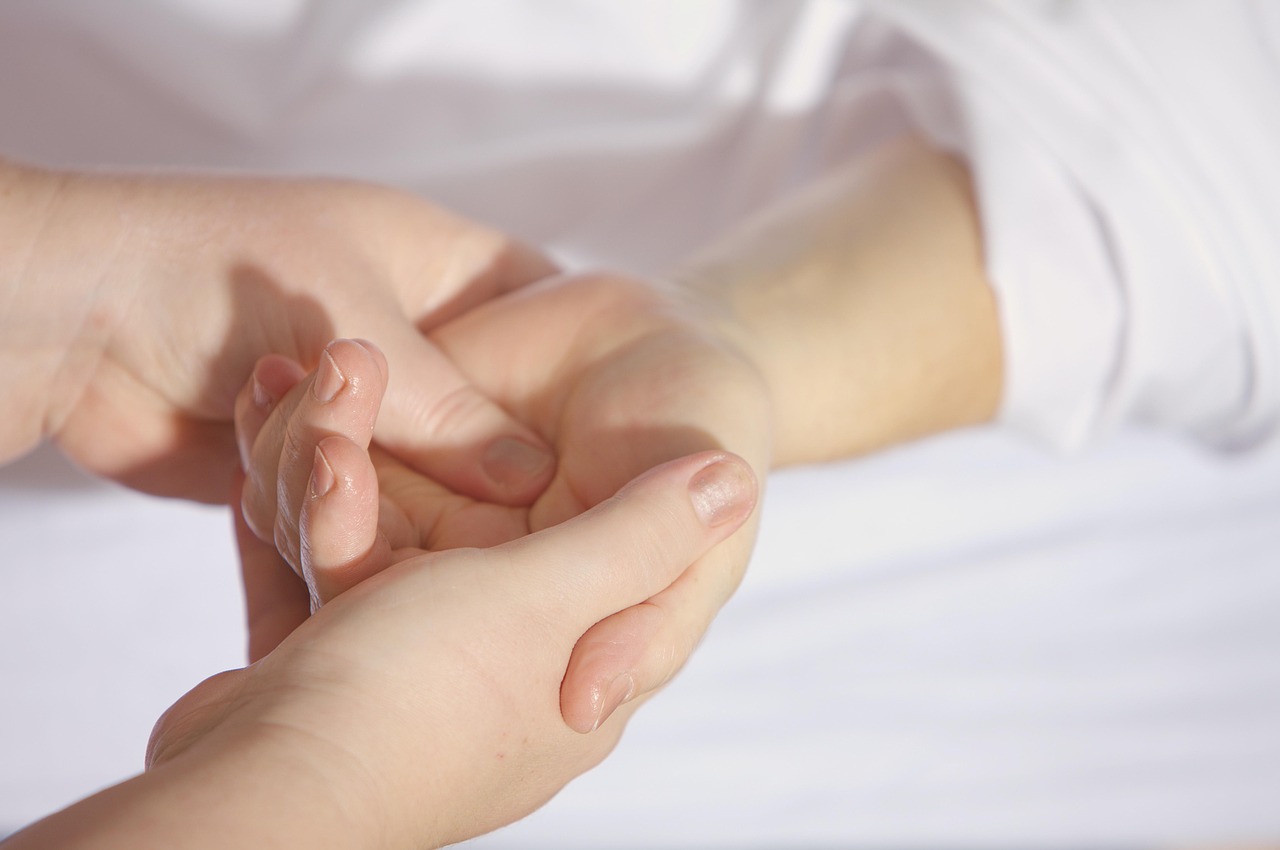
Lastly, recovery tools like compression garments, massage tools, and even temperature therapy can further enhance recovery processes for adventure racing athletes. Compression garments assist in reducing muscle soreness and improving circulation post-race, helping to diminish swelling and speed up recovery. Athletes can wear compression socks or sleeves during competitions, aiding in muscle support. Massage tools, such as foam rollers or massage balls, facilitate myofascial release and help alleviate tightness in sore muscles. Incorporating regular self-massage techniques can provide significant relief from localized soreness while increasing blood flow. Furthermore, cold and heat therapies, including ice packs or warm baths, can assist in managing inflammation and promoting relaxation, respectively. The alternating use of hot and cold helps enhance recovery by stimulating circulation and alleviating pain. Athletes should be mindful of incorporating these tools effectively into their recovery routine, ensuring they find what works best for their individual needs. By investing time in exploring these recovery tools, athletes can enhance their overall performance and well-being, fully prepared to take on the next adventure racing challenge with vigor and resilience. Adapting to personal preferences will lead to vital recovery support.
Conclusion: The Importance of a Holistic Approach to Recovery
In conclusion, a holistic approach to recovery is essential for adventure racing athletes, ensuring optimal performance and long-term resilience. Combining nutrition, hydration, rest, active recovery, and mindfulness provides a comprehensive recovery strategy tailored to each athlete’s needs. Understanding that recovery is as significant as training helps athletes avoid burnout and injury. It ensures sustainable progress toward personal goals. Moreover, ongoing education about recovery techniques empowers athletes to adopt informed choices during their journey. Collaboration with coaches, nutritionists, and sports health professionals creates a robust support system for athletes. With the right tools and strategies in place, every adventure racing athlete can experience improved performance and enjoyment in their activities. Over time, making recovery a priority will lead to enhanced endurance and longevity within the sport. The emphasis on recovery ultimately benefits not only individual athletes but the broader adventure racing community, inspiring others to recognize the importance of integrating recovery into their training paradigm. Remember, success in adventure racing is not just about the race; it’s about the journey, the preparation, and the knowledge that recovery is the backbone of any athlete’s success.