
Understanding Fascia and Its Importance in Athletic Performance
Fascia is a connective tissue that plays a vital role in the human body. It surrounds muscles, organs, and nerves, providing support and structure. In athletes, fascia is critical because it contributes to overall performance, mobility, and recovery. A healthy fascial system allows for efficient movement and reduced risk of injuries. Therefore, understanding how fascia operates can significantly boost athletic performance. One of the most interesting facts about fascia is its ability to adapt to stress and load. When an athlete engages in physical activity, the fascia responds by remodeling, ensuring that it can withstand increased demands. This remodeling process can lead to enhanced strength and flexibility. Additionally, the quality of fascia directly impacts an athlete’s capacity to utilize their muscle strength effectively. Stiff or tight fascia can impede motion, resulting in less efficient force generation. Athletes should focus on maintaining their fascial health to optimize their training and performance outcomes. Regular stretching and myofascial release through foam rolling are essential practices that can enhance fascial integrity and improve overall athletic capabilities.
The Mechanics of Fascia
Fascia supports muscles and provides a framework for the entire body, enhancing the kinetic chain during physical activities. It can be thought of as a web that connects muscle fibers and organs. This interconnected system allows for efficient force transmission, ensuring that energy flows seamlessly throughout the body. When fascia is healthy, it is pliable and elastic, which accommodates the dynamic demands of athletic movement. However, various factors can impair fascia, including repetitive stress, injury, or poor posture. When fascia becomes restricted or tight, it can lead to limited range of motion and increased soreness. Understanding these mechanics is essential for athletes striving to maximize their performance. By recognizing the significance of fascia, athletes can implement strategies to maintain its health. Myofascial release techniques, such as foam rolling, can alleviate tightness, improve circulation, and promote recovery. In turn, this leads to enhanced performance, as athletes experience greater flexibility and reduced injury risk. Investing time in fascial health should be a priority for all athletes, regardless of their experience level, to ensure optimal functioning during their training and competitions.
The relationship between fascia and muscle is incredibly intricate and essential for athletic success. Fascia not only surrounds muscles but also plays a role in muscle functionality. When fascia is healthy, it optimizes muscle contraction and enhances overall performance. However, when it is unhealthy or restricted, it can inhibit muscle movement, leading to inefficiencies during exertion. In athletic training, understanding the intersection between fascia and muscle dynamics can significantly influence how an athlete trains. A well-maintained fascial system enhances proprioception, which enables athletes to better understand their body’s position and movement. This sensory feedback is crucial in executing complex techniques and optimizing performance needs. Myofascial release through foam rolling assists in softening and lengthening the fascia. This process ensures that muscles operate at their highest potential. Moreover, improved fascial health through regular myofascial techniques can contribute to enhanced muscular strength over time. Thus, addressing the myofascial system should be integrated into regular training regimens, ensuring that athletes not only perform optimally but also sustain longevity in their athletic pursuits.
The Role of Foam Rolling
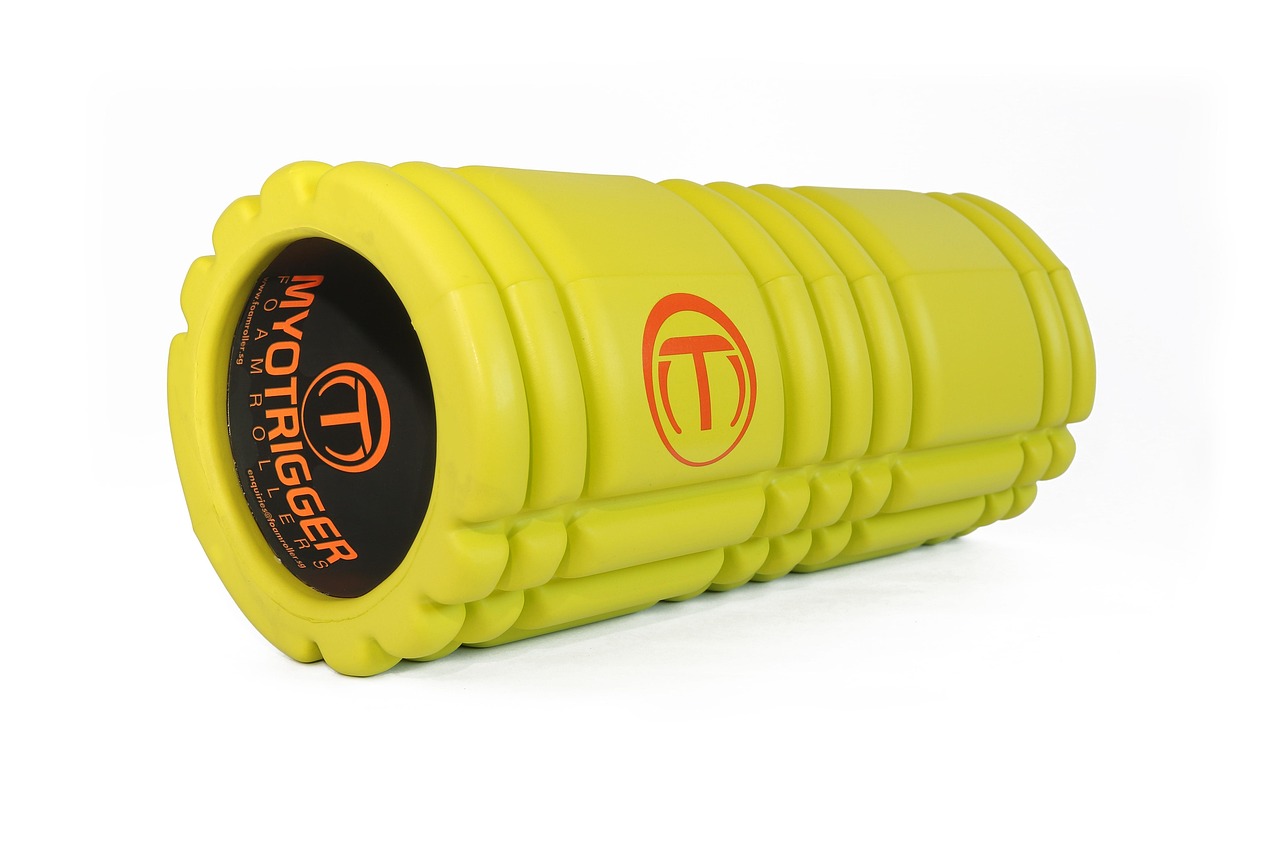
Foam rolling is a popular technique used by athletes to maintain and improve fascial health. It specifically targets areas of tightness or discomfort, providing self-myofascial release. By applying pressure to specific points, foam rolling helps to break down adhesions and knots within the fascia, promoting blood flow and healing. This practice can also reduce muscle soreness after intense workouts, expediting recovery times. Foam rolling is effective due to its ability to mimic hands-on techniques utilized by massage therapists. Many athletes incorporate foam rolling into their warm-up and cool-down routines, understanding its importance in maintaining a healthy fascial system. Additionally, foam rolling aids in increasing range of motion, which is crucial for performance in various sports. Athletes who prioritize foam rolling often report feeling more agile and less prone to injuries. Implementing foam rolling strategies should be considered essential for athletes at all levels. By dedicating time to this practice, athletes can experience immeasurable benefits, ultimately improving training effectiveness and overall performance.
Incorporating foam rolling into a training routine is straightforward but requires some knowledge for best results. Athletes should begin with short sessions, gradually increasing duration and frequency as their body adapts. Targeting specific areas, such as the IT band, quadriceps, and calves, tends to yield significant benefits. Athletes should also focus on breathing techniques while foam rolling, as it aids in muscle relaxation and increases the overall efficacy of the practice. Using a variety of foam rollers with different densities can also add versatility to their routine, allowing athletes to customize pressure based on comfort levels. Consulting professionals or trainers can provide insights into effective rolling patterns and techniques. Additionally, many online resources and videos offer guidance on proper foam rolling techniques. Athletes should always listen to their bodies during foam rolling and avoid forcing pressure onto extremely painful areas. The goal is to relieve tension without causing further discomfort. With consistent practice, athletes will notice a marked improvement in their mobility, performance, and recovery, ensuring they continue to excel in their respective sports.
Common Mistakes to Avoid
Despite the benefits of foam rolling, many athletes make common mistakes that can negate its advantages. One of the biggest errors is rolling too quickly over the fascia, which can fail to adequately release tension. It is essential to maintain a slow and controlled motion while focusing on problem areas. Athletes should also avoid excessive pressure, especially on sensitive areas, as it may lead to bruising or soreness. Understanding individual pain thresholds can guide athletes in determining the right amount of pressure during foam rolling. Additionally, some may skip foam rolling altogether after intense training, believing that they do not need recovery methods. However, neglecting this practice can lead to longer recovery times and heightened muscle soreness. Another common mistake is ignoring specific muscle groups that require attention. An effective foam rolling routine should address all major muscle groups to ensure comprehensive care. In summary, athletes should approach foam rolling thoughtfully, focusing on technique, pressure, and consistency to obtain the maximum benefits for their performance and recovery.
Maintaining fascial health is an ongoing commitment for athletes who aim to enhance their performance. Regular myofascial release techniques, like foam rolling, should be complemented with a balanced approach that includes hydration, nutrition, and rest. Staying hydrated helps keep the fascia pliable while proper nutrition supports overall bodily health, including connective tissues. Adequate recovery time is equally important, as it allows the body to rebuild and strengthen its fascial structures. Athletes should also consider incorporating static and dynamic stretching alongside foam rolling to improve the overall flexibility of their fascia and muscles. Developing a comprehensive wellness plan that prioritizes fascia health can significantly influence athletic outcomes. Engaging with physical therapy and sports specialists can provide valuable feedback on personal fascial care routines. Lastly, understanding that preventative actions can mitigate injuries will empower athletes to stay competitive in their sports. By making fascial health a focal point in training, athletes can maintain their competitive edge and prolong their athletic careers, all while enjoying the inherent benefits of optimized performance.