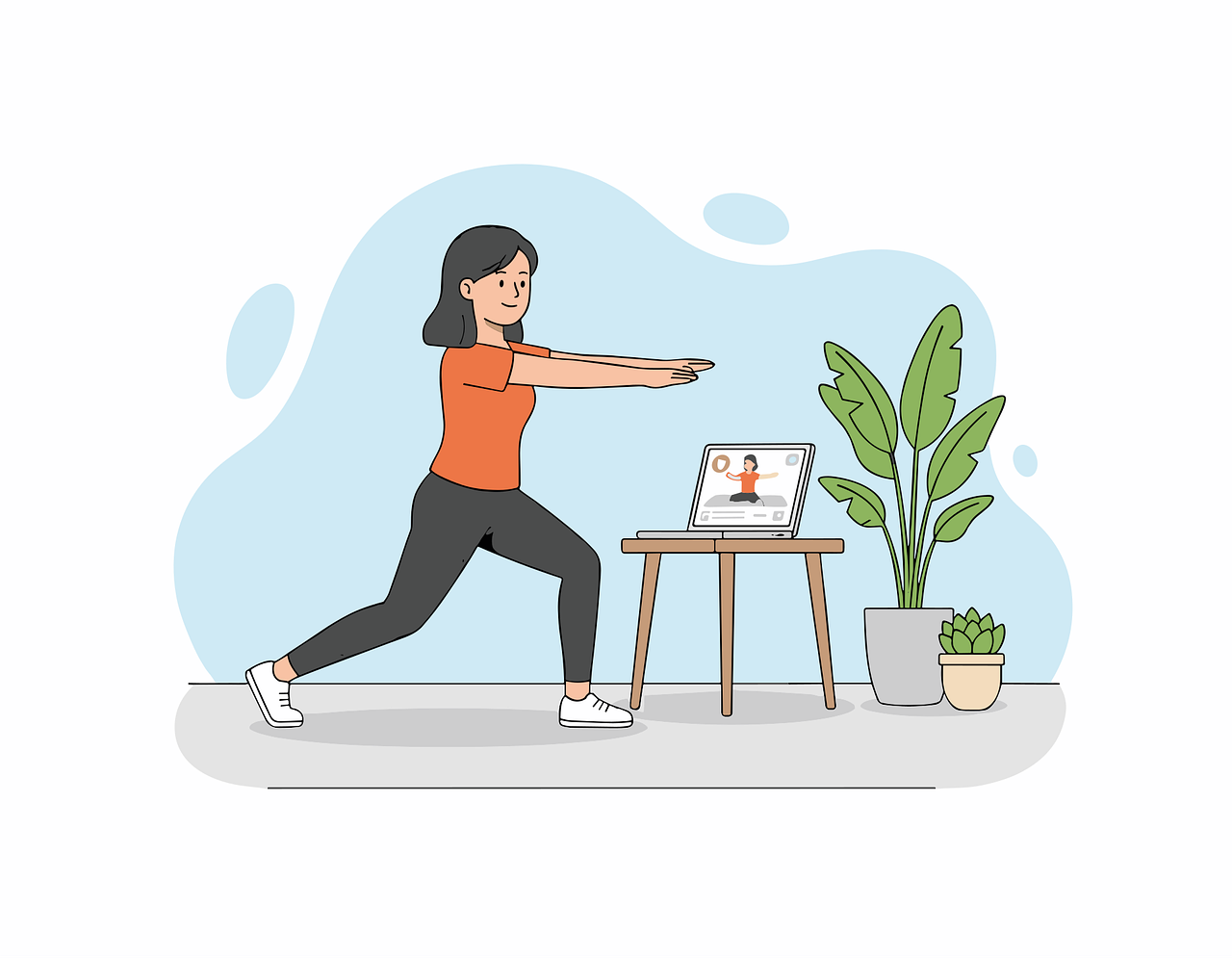

Beginner Home Workout Plans for Busy Individuals
Finding time for workouts can be challenging for busy individuals. Home workout plans tailored to beginners provide accessible options. Start by setting realistic goals that suit your hectic schedule. These workouts are designed to require minimal equipment, allowing for easy integration into daily life. Consider committing to just twenty to thirty minutes a day, which can significantly improve fitness levels. Focus on compound exercises that engage multiple muscle groups. Bodyweight workouts are ideal since they require no equipment and can be performed anywhere. To stay motivated, track your progress using a fitness app or journal. This will help you remain accountable to your fitness journey. Each week, aim to increase the intensity of your workouts gradually. This can include adding more repetitions or reducing rest times between sets. Additionally, remember that consistency is key in achieving fitness goals. Even short workouts can be effective if performed regularly. Select a workout schedule that fits your routine. Anticipate potential hurdles and develop strategies for overcoming them. Lastly, consider joining online communities for motivation and support throughout your fitness journey. Getting started is the first step toward a more active lifestyle.
Many beginners are unsure where to start when it comes to home workouts. It’s essential to create a structured plan tailored to your personal fitness level. A simple yet effective approach is to break routines into various categories: strength, cardio, flexibility, and balance. Begin with strength training using bodyweight exercises like push-ups, squats, and lunges. Gradually increase the complexity by incorporating resistance bands or dumbbells as your strength improves. Cardio can be approached through activities such as jumping jacks, mountain climbers, or even high-knees. These exercises elevate your heart rate, contributing to overall cardiovascular fitness. Don’t forget the importance of flexibility; yoga stretches can be excellent for enhancing flexibility while also promoting relaxation. Incorporate balance exercises, which can help improve coordination and reduce the risk of injury. Some great options include single-leg stands or yoga poses like the tree pose. By diversifying your workouts, you challenge different muscle groups and maintain interest. Combine these elements into a week-long workout plan, distributing activities to target various aspects of fitness. Ultimately, listen to your body and allow adequate rest days for recovery. Progress may be gradual, but improvement is achievable.
Creating a Flexible Workout Schedule
Creating a flexible workout schedule is crucial for busy individuals. Start by considering your daily commitments and identifying time slots where workouts can fit. Early mornings or late evenings may work best depending on your routine. Use a planner or calendar to allocate workout sessions throughout the week. Prioritize consistency in your schedule while remaining adaptable to changes. If you miss a session, reschedule instead of skipping workouts entirely. Include different workout types throughout the week for a balanced approach. Aim for strength training two to three times, cardio two to three times, and incorporate flexibility exercises at least once a week. Intervals can be extremely effective for busy schedules, mixing short bursts of intense activity with brief recovery periods. Short, high-intensity workouts can be just as beneficial as longer sessions. Explore online workout videos or fitness apps that cater to beginners. Many offer comprehensive plans tailored to various fitness levels and schedules. Finally, celebrate small successes, such as completing a week without missed workouts or achieving personal bests. This will encourage you to stick with your routine and stay motivated.
Your home workout plan is incomplete without proper nutrition. Staying hydrated and maintaining a balanced diet enhances the effectiveness of your exercise regime. Aim to consume a variety of fruits, vegetables, lean proteins, whole grains, and healthy fats. Meal prepping can save time and ensures that healthy meals are always available. Consider planning your meals ahead of the busy week. Smoothies can be quick and nutritious options for breakfast or post-workout snacks. Additionally, monitor portion sizes to avoid overeating. Understanding the nutritional value of foods is essential; utilizing apps can aid in tracking your daily intake. Including a mix of macronutrients in meals can boost energy levels while keeping you satiated. At the same time, allocate time to enjoy meals without distractions like screens. Developing a healthy relationship with food is as vital as the workouts themselves. Recognize the importance of recovery meals, where proteins help repair muscle fibers post-exercise. Furthermore, do not hesitate to indulge in treats occasionally; balance is key in maintaining a sustainable approach to nutrition. Prioritizing your diet will set a strong foundation for your workout effectiveness.
Staying Motivated During Workouts
For beginners, maintaining motivation can be one of the biggest challenges. Setting clear, achievable goals can help keep you focused. Write down your goals and post them somewhere visible, such as on a refrigerator or a bathroom mirror. This daily reminder can serve as both inspiration and accountability. Consider working out with a partner or joining an online fitness community to share experiences and challenges. Engaging with others provides social support that encourages consistency. Varying your workouts is another way to keep things interesting. Trying new exercises or workout styles can relieve boredom and push you outside your comfort zone. Incorporate challenges or mini-competitions, whether with friends or an online group. This friendly competition can boost your motivation significantly. Tracking your progress is essential as you work toward your goals; celebrate your accomplishments, big and small. Sharing achievements on social media can provide additional accountability. Lastly, focus on the positive aspects of working out, such as increased energy, improved mood, and reduced stress. Shifting your mindset to appreciate these benefits can be highly motivating and create a more rewarding fitness journey.
As you progress with your home workout plans, consider the importance of rest and recovery. While regular workouts are vital, allowing your body to recover is equally crucial. Overtraining can lead to fatigue and injuries. Schedule rest days throughout the week to let your muscles repair and grow stronger. Active recovery can be helpful too; this can include light activity such as walking or gentle yoga. Ensure you implement good sleep practices, as sleep is when the body undergoes significant recovery. Aim for seven to nine hours of quality sleep per night. High-quality sleep enhances performance, reduces fatigue, and supports overall health. During workouts, listen to your body; if something feels off, it might be time to rest or adjust your routine. Additionally, understand your body’s signals when it needs extra care. Warm-ups and cool-downs should never be overlooked; these practices prepare your muscles and help alleviate soreness. Hydration and nutrition are paramount during recovery phases. Ensure proper intake of vitamins and minerals to support muscle repair. Ultimately, balancing workouts and recovery will achieve long-term success in your fitness journey.
The Benefits of Home Workouts
Home workouts present numerous benefits for beginners and busy individuals. Flexibility is among the most prominent advantages, allowing you to design workouts that fit within your personal schedule. With no need for travel time to a gym, you can maximize your efficiency. This can significantly reduce the chances of skipping sessions. Cost-effectiveness is another reason to consider home workouts; they eliminate gym memberships and transportation expenses. Additionally, you can use everyday items as workout equipment, such as chairs or water bottles, ensuring accessibility. Home workouts also promote comfort; exercising at home can ease anxiety associated with traditional gym environments. This enables you to focus on enhancing personal performance without distractions. Privacy may encourage individuals to feel more confident while exercising, which can enhance commitment to fitness. Moreover, incorporating family or household members into workouts can foster bonding experiences. Lastly, home workouts enable you to choose the ambiance that suits you best. Set the mood with music or lighting that inspires you. Overall, embracing home workouts can revolutionize your fitness journey, empowering you to reach goals efficiently.
In summary, embarking on a beginner home workout plan is an achievable goal, particularly for busy individuals. Start by recognizing the importance of establishing a flexible workout schedule that complements daily responsibilities while incorporating physical activity. Diversify your workouts focusing on strength, cardio, flexibility, and balance to keep things interesting and effective. Ensure nutrition supports your fitness goals, understanding the relationship between diet and exercise in achieving desired outcomes. Stay motivated throughout your journey by setting attainable goals, celebrating achievements, and seeking community support. Remember to prioritize rest and recovery to maintain overall health and prevent burnout. Home workouts offer flexibility, cost-effectiveness, and a comfortable environment that caters to individual preferences. Each step taken is a step closer to a healthier and more active lifestyle; even small changes can lead to significant results over time. Lastly, the key lies in consistency and enjoyment. Stay committed, keep experimenting with different workouts, and discover what resonates with you personally. With dedication and the right mindset, anyone can succeed on their home workout journey. Embrace the process, and let fitness become a rewarding part of your daily routine.