
How Myofascial Release Enhances Football Fitness
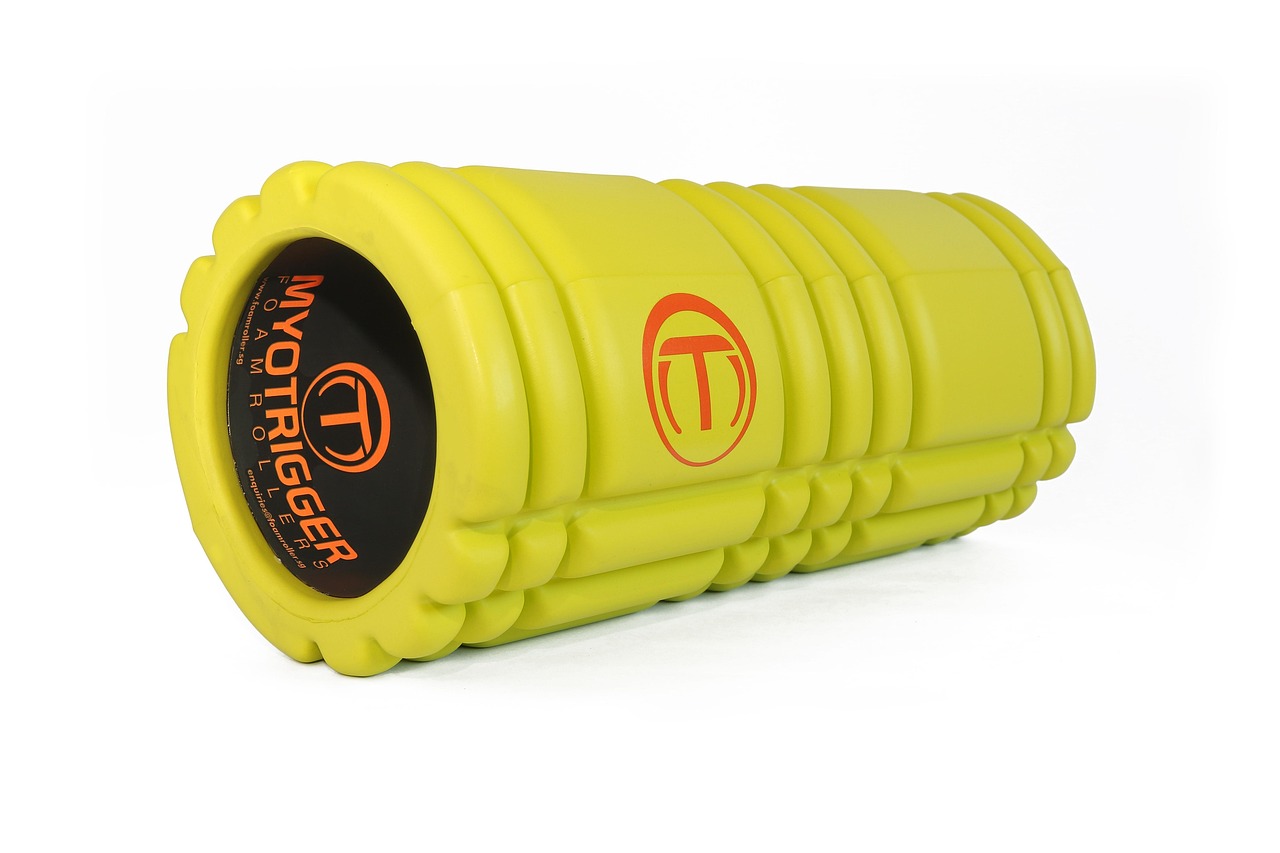
Myofascial release is a technique used to alleviate tension in the fascia, the connective tissue that surrounds muscles. In football, where agility, speed, and strength are essential, maintaining optimal muscle function is crucial. By using foam rollers or hands-on techniques, athletes can effectively loosen tight muscles and release restricted fascia. This practice not only improves flexibility but also enhances range of motion, allowing football players to perform movements more fluidly. Adding myofascial release into a training regimen can greatly benefit overall performance. Furthermore, by promoting blood flow and circulation to the muscles, recovery times can be accelerated, enabling players to train harder and more frequently without the associated risks of injury. This increased ability to endure longer practices and maintain higher activity levels throughout the season is a game changer. To optimize the benefits of myofascial release, it is vital for players to integrate it consistently into their routines, especially after strenuous workouts. Thus, understanding and applying myofascial release techniques can greatly enhance football performance, leading to improved results on the field.
Football players often face issues with muscle tightness and soreness due to the physical demands of the sport. The application of myofascial release can help manage these challenges effectively. This method targets specific areas of discomfort, facilitating deeper muscle relaxation. Regularly engaging in myofascial release can prevent overuse injuries common in football, such as strains and sprains. It also prepares the body for the intense physical demands of games and practices. By improving muscle elasticity, athletes may experience an increase in their explosive power and accelerative capabilities. Studies have shown that foam rolling can enhance post-training recovery, ensuring players bounce back quicker. Additionally, the psychological benefits of myofascial release should not be overlooked, as the practice can reduce stress and promote a positive mental attitude. With a balanced approach combining physical and mental wellness, players can enhance their overall fitness. Consider engaging in group sessions, where players can encourage one another while learning effective techniques. Integrating a community aspect may amplify results, making myofascial release a fun and essential addition to the football training regimen.
Techniques for Myofascial Release
There are several techniques that football players can utilize for effective myofascial release, catering to individual needs and preferences. Foam rolling is one of the most popular methods, allowing athletes to use body weight to apply pressure to tight muscle areas. This self-myofascial release technique helps break down knots in the fascia and enhance mobility. Other methods include using massage balls, which target smaller, harder-to-reach muscle groups, such as those in the feet and hips. Partner-assisted myofascial release can also prove beneficial, enabling players to work on specific areas that are difficult to address alone. Combining different techniques can yield optimal results, ensuring that all muscle groups are effectively treated. Moreover, understanding proper form and technique during these practices is crucial for maximizing benefits and minimizing injury risks. Athletes should seek professional guidance or follow tutorials for best practices. Adopting myofascial release as a routine part of training can lead to significant performance improvement for football players. The sustained effort in maintaining muscle health will pay off during competitions and training.
The benefits of myofascial release extend beyond just the physical realm; they also encompass psychological aspects of performance. Athletes often experience mental fatigue that can diminish focus and concentration during games. Utilizing myofascial release techniques can promote relaxation and mindfulness, helping players stay mentally sharp. By incorporating breathing exercises alongside foam rolling, football players can create a holistic approach to recovery that enhances both body and mind. Being aware of the connection between mental and physical states allows athletes to maximize their potential. Moreover, reducing muscle soreness can help build players’ confidence, knowing they are well-prepared and their bodies function optimally. This further links mental preparedness with physical readiness, establishing the importance of incorporating recovery practices into a comprehensive training strategy. Coaches and trainers must emphasize the significance of these methods, helping players understand and adopt them effectively. Optimization of both mental and physical health is key to a successful football career. Regular myofascial release will help sustain performance consistency and adapt to the demands of the game.
Foam Rolling Techniques
When focusing on foam rolling specifically, there are various techniques players must become familiar with to maximize effectiveness. For instance, rolling out the quadriceps, hamstrings, and calves can significantly reduce tightness in the legs, which are crucial for running and kicking. It is advisable to spend at least 1-2 minutes on each muscle group, allowing sufficient time for the fascia to loosen. Players should also remember to engage in slow movements during the process; rolling quickly may not yield optimal results. Focus should be on areas of discomfort, gradually increasing pressure as the body adjusts. Additionally, incorporating deep breathing techniques while foam rolling can help increase relaxation and ease tension, further enhancing the benefits. Players should mark specific areas of tightness to monitor progress over time, ensuring an effective rolling routine. The consistency of foam rolling offers lasting improvements in performance levels and overall comfort. Footballers should also ensure they are adequately hydrated post-rolling to facilitate recovery effectively. With persistent practice, athletes can unlock their true potential and play to the best of their abilities.
Essentially, myofascial release serves as a strategic tool for achieving peak football fitness. Proper recovery practices, including foam rolling and myofascial techniques, can decrease injury susceptibility and improve athletic performance. By prioritizing these techniques, athletes can enhance their resilience as they navigate the physical challenges of football. Strengthening their bodies through myofascial release gives players the edge in competitive environments. Some may consider these practices time-consuming, but the long-term benefits are profound, warranting integration into training regimens. Over time, players are more likely to experience enhanced mobility, flexibility, and reduced muscle tension, significantly influencing their overall game. Coaches should advocate for the use of myofascial release not only as a recovery tool but also as a preventive measure. Educating players on the importance of taking care of their fascia helps foster a culture of well-being within the team. With proper emphasis, myofascial release can transform how athletes prepare for matches and view their training, ultimately benefiting their professional growth. The future of football fitness will significantly involve recovery methods such as these as the sport evolves.
The Future of Myofascial Release in Football
As football continues to evolve, the role of recovery techniques like myofascial release becomes increasingly vital. Future advancements in training technologies and recovery sciences could enhance the efficacy of these techniques even further. For instance, innovative tools and machines may be developed to automate myofascial release processes, allowing athletes to receive more thorough treatment without additional time constraints. Additionally, deeper understanding from research will evolve best practices surrounding myofascial release. Integrating these advancements allows football players to maintain top performance levels without compromising health. Coaches and trainers will need to stay informed about these changes to incorporate them effectively into training programs. Emphasizing education about myofascial release can create an informed player base committed to self-care. Established practices will be adapted regularly to optimize player performance, reducing risks of injury and facilitating quicker recoveries. By embedding myofascial release into football culture, the game will embrace a comprehensive approach to athlete wellness. This shift toward valuing recovery is essential for cultivating long-lasting athletic careers and influencing the future of football fitness.