
Hydration and Sports Massage: What You Should Know
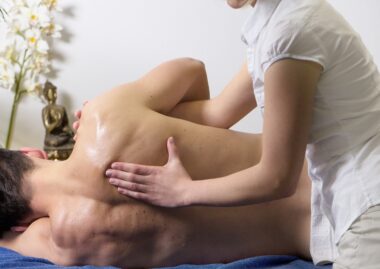
Proper hydration is essential for athletes and active individuals. Water acts as a crucial carrier of nutrients, helps regulate body temperature, and supports joint lubrication. Sports massage therapy can enhance the benefits of hydration by facilitating better blood circulation and improving muscle flexibility. Athletes often face a risk of dehydration, especially during intense training sessions or competitions. It is vital to drink enough fluids before, during, and after physical activity. Combining hydration with sports massage can notably accelerate recovery, reducing soreness and enhancing performance. Water intake helps manage electrolyte balance, which is vital for muscle function. Muscles rely on electrolytes to contract and relax effectively, thus avoiding cramps and spasms. When dehydrated, the body cannot absorb nutrients efficiently, impacting performance levels negatively. To ensure optimal hydration, athletes should incorporate fluids that contain electrolytes, like sports drinks, in their regimen. Sports massage can assist by alleviating tension in the muscles, significantly contributing to overall hydration management. Remember, drinking water alone is not enough; balancing it with the right nutritional elements is essential for peak athletic performance.
In sports massage therapy, understanding proper hydration also involves recognizing how different fluids affect the body. Not all drinks provide the same benefits for hydration. Water remains the best choice for most situations, but beverages with added electrolytes or carbohydrates can be beneficial during prolonged exercises. During physical activities lasting over 90 minutes, athletes will benefit from consuming electrolyte drinks that replenish lost salts and fluids. Engaging in a structured hydration plan before massage can enhance its benefits. Pre-massage hydration ensures muscles are supple and more responsive to manipulation techniques. This is crucial for dissolving knots and enhancing recovery. Additionally, staying well-hydrated can improve the effectiveness of a massage session by preventing post-massage soreness. It is equally important to hydrate after massage therapy to aid in flushing out toxins released during the process. Athletes should be mindful of their hydration status throughout their training cycles. Monitoring hydration levels via body weight changes can be a reliable method. If dehydration signs, such as dark urine or fatigue appear, further actions need to be taken to restore balance. Thinking ahead about hydration needs is a must for any serious athlete concerned about performance outcomes.
The Importance of Pre-Massage Hydration
Before a sports massage, athletes should consider their hydration levels. Proper hydration can significantly enhance the massage experience and efficacy. When muscles are well-hydrated, they are more pliable, allowing therapists to work deeper into tissues without injury or discomfort. Ideally, individuals should consume adequate fluids in the hours leading up to the massage session. This prepares the muscles for the work they will undertake. It is recommended to drink water regularly rather than consuming large amounts in a single gulp. Additionally, avoiding diuretics like caffeine before a massage can help maintain hydration status. Consuming water along with some electrolytes can promote optimal muscle function. Some athletes find it helpful to include isotonic drinks in their hydration routines as they provide essential salts necessary for muscle performance and recovery. This pre-massage hydration sets the tone for effective muscle manipulation. Post-session hydration is equally important; as massage increases blood flow, it encourages the release of waste products from muscles, which can lead to flu-like symptoms without proper fluid intake. To sum up, thoughtful hydration is vital, making the difference between an average and an exceptional sports massage experience.
During a sports massage, hydration plays a pivotal role in muscle dynamics. As therapists work to release tension and facilitate blood flow, well-hydrated muscles are crucial for effective treatments. Adequate hydration lowers the risk of excessive soreness and increases performance capabilities during subsequent training. When tissues are hydrated, they can handle the pressure of deep tissue techniques better, reducing discomfort during the massage process. Athletes who neglect fluid intake might find that their massage treatments are less effective and potentially painful. Furthermore, dehydration can cloud the body’s signals, making it difficult for athletes and therapists to gauge the necessary pressure or techniques required. Ideally, athletes should opt for water or electrolyte-rich beverages before and during their massage sessions. Bringing a bottle of water along to the massage can serve as a reminder to hydrate. This practice can enhance athletic recovery timelines, preparing muscles for the next training cycle. Ultimately, the interconnectedness of hydration and sports massage empowers athletes to improve their performance while ensuring a faster recovery. Regular massages combined with appropriate hydration schedules set the foundation for optimal athletic care.
Post-Massage Hydration Benefits
Post-massage hydration is a crucial aspect that athletes should not overlook after sports massage therapy. Adequate fluid intake following a session helps to flush out toxins stored in muscles, which can lead to soreness or stiffness if left unchecked. Massage stimulates circulation, and without sufficient hydration, the benefits may be significantly diminished. Drinking water after a session ensures that nutrients transported through the blood can effectively reach injured muscle tissues. This combination aids in faster recovery and less discomfort following intense treatments. It is advisable for athletes to drink water and consider incorporating electrolyte drinks to replenish lost minerals that aid muscle recovery. The enhanced circulation from massage means that muscles require additional hydration to support recovery and performance. Moreover, hydration supports muscle repair while preventing cramps and fatigue during subsequent training sessions. Athletes should aim to drink at least 16-20 ounces of water after their massage. Continuing to hydrate throughout the day can contribute positively to muscle conditions. Therefore, integrating a consistent post-massage hydration routine greatly enhances the overall effectiveness of sports massage therapy in maintaining athletic performance.
Awareness of one’s hydration needs is crucial for all athletes, especially concerning sports massage therapy. Every athlete has unique hydration requirements based on factors like body size, activity level, and environmental conditions. Recognizing these factors allows for personalized hydration strategies, optimizing recovery and performance. A good practice involves adjusting fluid intake based on temperature and humidity levels. In hotter climates, athletes should consume extra fluids to combat fluid loss through sweat. Tracking urine color is another simple way to monitor hydration levels. Ideally, urine should be pale yellow, indicating proper hydration. Athletes can also set reminders to drink water or keep a hydration log to ensure they meet their fluid needs consistently. If physical activity creates substantial sweat loss, including electrolyte drinks in hydration regimens becomes essential. This will further assist muscle functioning and recovery. It is vital to distinguish between individual hydration needs because there is no one-size-fits-all approach. Developing a structured hydration plan enhances performance and contributes significantly to how effectively an athlete can recover post-massage. Understanding personalized hydration plays a critical role in overall athlete health and recovery strategies.
Conclusion
In conclusion, the synergy between hydration and sports massage cannot be overstated. Athletes achieving optimal performance must prioritize their hydration strategies alongside massage treatments. Both factors contribute to faster recovery, improved muscle function, and reduced soreness. By understanding how hydration impacts muscle dynamics, athletes empower themselves to make informed decisions about their fluid intake. The significance of drinking water before, during, and after massage therapy cannot be emphasized enough for excellent results. Additionally, athletes must recognize their unique hydration needs and create tailored hydration plans. Overlooking hydration can undermine massage effectiveness and overall performance. A consistent regimen of sports massage, coupled with adequate hydration, creates a robust framework for athletic care. This comprehensive combination leads to improved performance levels and reduced injury risks in the long run. Therefore, athletes are encouraged to incorporate mindful hydration practices along with regular sports massage into their routines as part of their commitment to health and peak performance.
Emphasizing these intertwined factors will help not just in competitive sports but in everyday physical activities. Staying well-hydrated and maintaining regular massage sessions can enhance any active lifestyle. When athletes invest in their hydration habits, paired with quality sports massage therapy, they experience tangible benefits, both mentally and physically. Ultimately, understanding the importance of hydration in sports massage integrates seamlessly into overall well-being strategies. Educating oneself about ideal hydration practices and regularly applying them leads to success in sports and physical endeavors. Embrace these principles, and one can pave the way towards enhanced athletic performance and a healthier future in sports.