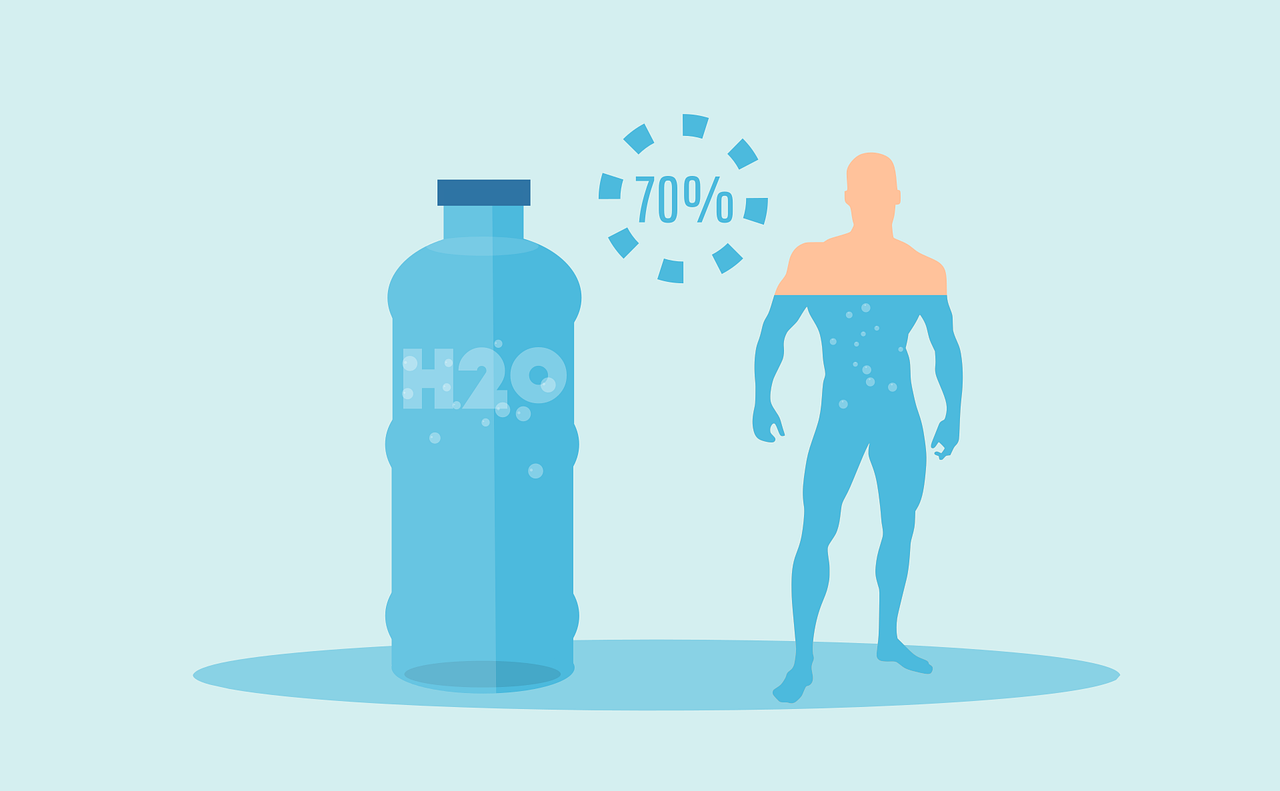

Hydration Needs: How They Differ by Sport and Activity Level
Understanding hydration strategies is crucial for athletes and individuals engaged in various sports. Hydration needs can significantly differ based on the type of activity and its intensity. For example, endurance athletes, such as marathon runners, require more fluids than recreational walkers. It’s essential to assess individual needs that are influenced by sweat loss, environment, and duration of activity. Dehydration can lead to reduced performance, fatigue, and even injury. Different sports, like cycling or weightlifting, have unique demands on hydration. Exercising in hot environments increases sweat and fluid loss, while cooler conditions might mask the signs of dehydration. Therefore, athletes must learn to identify their hydration requirements and regularly replenish fluids before, during, and after exercise. It’s also vital to balance electrolyte intake alongside water. Sports drinks may be beneficial after prolonged activities. Furthermore, hydration strategies should include regular monitoring of urine color, which may indicate hydration status. Ultimately, a tailored approach to hydration can enhance performance and support recovery.
Hydration strategies vary widely among different sports, mainly due to the intensity and duration of physical activity. In sports like soccer or basketball, players often sweat profusely while engaging in short bursts of high-intensity exercises. This leads to substantial fluid loss, requiring systematic hydration throughout the game. Both sports necessitate regular water breaks, allowing players to replenish lost fluids and maintain optimal performance. In contrast, recreational hikers or casual cyclists may not experience the same level of fluid loss as competitive athletes. They should focus on hydration before exploring their trails rather than midway in activity. Athletes engaged in longer endurance events need pre-hydration, maintaining hydration levels from the onset. Understanding when to hydrate, what fluids to use, and the role of electrolytes is equally vital. During prolonged activities, sports drinks containing sodium and potassium can help replace lost electrolytes, preventing cramps and fatigue. Consequently, adjusting hydration based on individual activity types while monitoring thirst and body signals is key to performing at one’s best. Tailored hydration strategies can substantially improve athletic performance.
Importance of Electrolytes in Hydration
While water is crucial for staying hydrated, electrolytes play an equally essential role in fluid balance and muscle function. During intense workouts or prolonged sports activities, athletes lose electrolytes through sweat. Sodium, potassium, calcium, and magnesium are vital elements that need replenishment to maintain optimal hydration. The body relies on these minerals for nerve transmission, muscle contractions, and overall physiological functioning. Without adequate electrolyte intake, athletes risk cramping, fatigue, and impaired performance. Many sports drinks on the market contain added electrolytes and can be effective in restoring balance after extensive efforts. However, it’s essential for athletes to learn how much they need based on their activity level. For example, endurance athletes often need more sodium than casual exercisers. Similarly, those engaged in heavy lifting might focus on calcium and magnesium to support recovery and strength. Understanding the balance between water and electrolyte consumption helps athletes devise effective hydration strategies best suited for their sport. Moreover, athletes should also consider their body size and sweat rate, tailoring their hydration methods for optimal results and injury prevention.
Hydration strategies for athletes should include a systematic approach according to each individual’s unique requirements. Personalizing intake, such as recognizing specific recovery periods after intense workouts, can aid in maintaining fluid balance. Athletes should use various means to monitor their hydration levels, measuring factors such as thirst, urine color, and overall performance. Tracking daily water intake can help optimize hydration. Additionally, adopting periodized hydration techniques, where hydration strategies adjust with training phases, has become essential. During low-intensity training seasons, fluid requirements may decrease. Conversely, high-intensity training seasons warrant higher fluid consumption to meet increased hydration needs. Including easily accessible links or tools for hydration tracking in training plans can enhance awareness. Athletes should also educate themselves about environmental considerations affecting hydration, such as humidity and temperature. Drinking fluids at regular intervals, even without feeling thirsty, supports maintaining hydration levels. Hydration education should be a fundamental part of an athlete’s training regimen. Ensuring that athletes have the knowledge and resources necessary for hydrating effectively helps maximize their performance and overall health.
Strategies for Different Activity Levels
It’s imperative to distinguish hydration strategies based on activity levels and preferences. For individuals engaging in light exercise, simple strategies may suffice, such as drinking water before physical activity, ensuring sufficient hydration without excess. For those partaking in moderate exercises like jogging or cycling, maintaining consistent fluid intake during exercise enhances endurance. They could aim for 7-10 ounces of water every 20 minutes during exercise. On the other hand, competitive athletes in high-intensity sports need strategic hydration, involving fluid replenishment before and during their events and ensuring they consume adequate electrolytes as well. For athletes in extreme conditions, like endurance sports or those involving heavy sweating, more tailored strategies become essential. They should prehydrate well before an event, drink electrolyte solutions during long sessions, and incorporate recovery drinks afterward. Awareness of personal hydration habits is crucial for success. Each athlete’s hydration needs may change based on individual factors, including genetics and training goals. Consequently, developing the right strategies facilitates performance gains and ensures health and safety during exercises.
Hydration strategies should also take into account the environmental conditions for optimal performance. Hot and humid environments significantly increase fluid loss compared to cooler conditions. Athletes should prepare for outdoor workouts by understanding the impact of temperature on their hydration levels, recognizing that heat increases sweating rates. For example, in hotter conditions, a pre-exercise hydration routine becomes essential to prevent dehydration. In addition to water, incorporating electrolyte drinks could also foster balance during exercise. Furthermore, athletes participating in sports events like marathons or triathlons are encouraged to note the importance of water stations. Drinking amounts at these stations can keep them hydrated throughout the race, significantly enhancing performance and safety. For some athletes, rehydration post-exercise is equally important to restore balance, especially after long workouts in challenging conditions. Recognizing and addressing these environmental factors contributes positively to overall hydration strategies. Preparation is key for optimal hydration throughout an athlete’s training and performance journeys. This predictive approach fosters sustainable performance amidst varying conditions.
Long-Term Hydration Practices
Long-term hydration practices are essential for sustaining performance over time. Consistency is vital; regularly meeting hydration needs prepares the body for strenuous activities. Athletes should focus on making hydration a daily goal, beyond just training sessions, as it positively impacts recovery and performance. Building the habit of drinking enough water throughout the day helps to maintain optimal hydration levels and improves energy and focus. Incorporating food sources with high water content, like fruits and vegetables, can also significantly contribute to overall hydration needs. Foods such as watermelon, cucumbers, and oranges not only provide hydration but also essential vitamins and minerals for recovery. Furthermore, logging fluid intake can help reinforce hydration habits and make adjustments as necessary. Over time, developing these habits leads to improved health and performance metrics. It’s also essential to consider individual needs as hydration demands may change with fluctuating activity levels or seasonal variations. Engaging with professional nutritionists or sports dietitians can provide personalized insights, allowing athletes to devise plans that enhance hydration sustainably. Implementing long-term hydration strategies is a process that pays off throughout athletic careers.
In conclusion, cultivating effective hydration strategies tailored to individual sports and activity levels is crucial for athletes aiming to achieve peak performance. Understanding personal hydration needs based on activity type, intensity, and environmental factors leads to improving health and effectiveness during workouts. Balancing water intake with electrolytes plays an essential role in this equation. Athletes should regularly monitor their hydration status and incorporate strategies that foster proper fluid intake throughout their routines. Embracing long-term hydration practices and education lays the groundwork for a successful athletic career, positively impacting achievements. Beyond competitive sports, these hydration principles benefit individuals of all activity levels. Whether transitioning from casual workouts to more rigorous training, applying these hydration insights supports overall well-being and enhances performance in daily life. As athletes invest in their hydration strategies, they contribute significantly to their overall health and fitness journeys. In summary, successful hydration involves an understanding of personal needs, consistent practices, and an adaptive approach to different sports and activities. Emphasizing these elements ensures that hydration remains a cornerstone of athletic preparation.