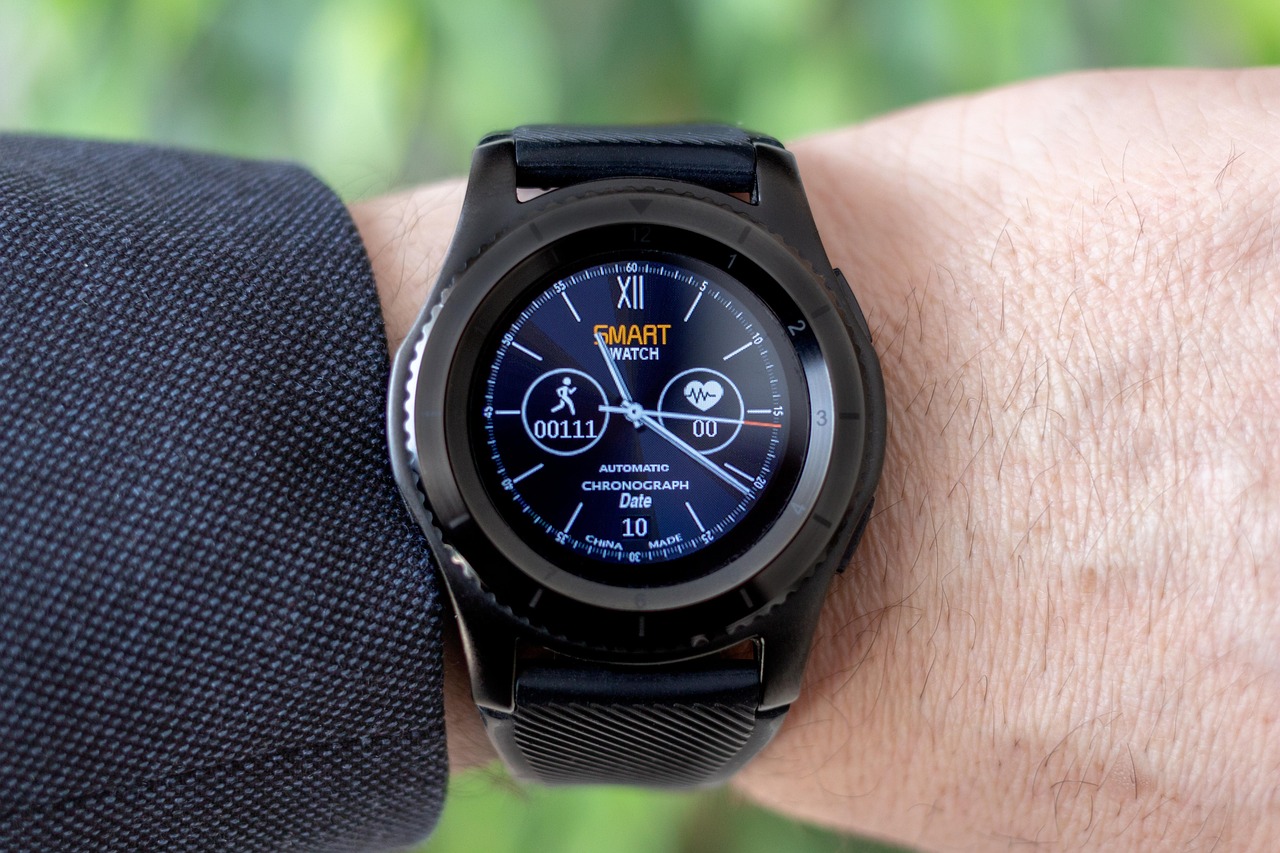

The Relationship Between Heart Rate Monitors and Fat Burning Efficiency
Understanding the dynamics of heart rate monitors is crucial for effective weight loss management. These devices play a significant role in providing real-time feedback about the intensity of physical activities. By tracking heart rate, users can gain insights into their metabolic state during exercise, leading to optimized workout routines. Moreover, heart rate monitors offer a way to personalize fitness plans based on individual heart rates, ensuring that athletes engage in the right intensity for their body. Accurate monitoring helps one stay in the ‘fat-burning zone,’ generally defined as 60% to 70% of their maximum heart rate. This zone focuses on maximizing fat oxidation during exercise. When individuals achieve this optimal heart rate, they not only enhance fat burning but also improve cardiovascular health. Data collected from these devices can potentially showcase progress across various workout sessions, further motivating users to persist in their weight loss journeys. The precision of heart rate tracking empowers users to distinguish between fat burn and carbohydrate utilization, ultimately leading to effective management of overall body weight. Therefore, investing in heart rate technology can provide significant benefits for weight loss aspirations.
Incorporating heart rate monitors into fitness routines can vastly improve the efficiency of fat burning exercises. These monitors essentially track fluctuations in heart rates, allowing individuals to adapt workouts based on real-time data. Knowing when to push harder or maintain can help achieve targeted goals. For those looking to optimize their fat burning efforts, it’s essential to understand their resting heart rate and how it corresponds to exercise intensity. Typically, lower resting heart rates indicate better cardiovascular fitness, enhancing one’s ability to burn fat effectively. Many heart rate monitors also come equipped with apps, providing users with detailed analytics of their performance over time. Consistent usage leads to greater awareness of one’s physical limits, thereby allowing for tailored adjustments in training activities. Furthermore, establishing connection through mobile technology creates a competitive edge by enabling users to share results with friends or workout partners. Thus, fostering a sense of community around fitness goals becomes easier, maximizing adherence to workout schedules. By utilizing these technological advancements, users can revolutionize their weight loss strategies, improving their body composition more effectively than conventional methods.
Heart Rate Zones and Fat Burning
Heart rate zones are essential in understanding the processes behind fat burning during exercise. These zones generally range from light to maximum effort, with the moderate intensity level being particularly effective for fat oxidation. The foundational understanding of these zones indicates that as one progresses from lower to higher intensities, the body shifts its energy source from fat to carbohydrates. Exercising within the optimal fat-burning zone allows individuals to tap into fat stores, thereby melting away stubborn fat. Furthermore, training in this zone encourages the release of hormones that assist with fat metabolism, such as adrenaline and norepinephrine. Continuous monitoring of heart rate reveals whether an individual is staying within this desirable intensity benchmark. When workouts align with personal heart rate data, significant results can often be seen more quickly. Additionally, regular assessment of one’s average heart rate over time can help set realistic and achievable goals for fat loss. This information gives clarity about exercise efficiency and the specific adjustments needed to enhance performance. In essence, understanding heart rate zones enables effective weight management through science-backed methodology.
Combining heart rate monitors with various exercise modalities can enhance fat loss outcomes significantly. Different activities demand a unique level of exertion and engage muscles in varied ways, such as aerobic versus anaerobic exercises. With heart rate monitors, one can assess their response to different workouts, adjusting according to their body’s feedback. For example, incorporating interval training can maximize calorie burn while maintaining an elevated heart rate throughout the session. Moreover, cross-training can sustain engagement levels, essential for long-term adherence to fitness programs. Such techniques not only prevent plateau effects but also stimulate continuous progress by promoting enhanced calorie expenditure. Utilizing the heart rate monitor’s performance indicators can shift workout plans dynamically, depending on day-to-day efforts. This adaptability allows users to discover which activities yield the best results for burning fat. Furthermore, understanding caloric deficit alongside heart rate data can significantly simplify the weight loss equation. This approach supports informed planning around nutrition as well, emphasizing the interrelationship between calories consumed versus calories burned. Thus, individuals can approach fat loss with a comprehensive and personalized strategy that is both effective and sustainable.
The Role of Recovery in Fat Loss Efficiency
Never underestimate the significance of recovery in a successful weight loss regime. Incorporating rest days allows the body to replenish spent energy resources and repair muscle tissue. Heart rate monitors aid in determining the appropriate intensity for recurring exercise sessions, ensuring that overexertion doesn’t interfere with recovery. Monitoring fluctuations in heart rate during recovery periods can also unveil valuable insights about overall fitness levels. Notably, a quicker return to resting heart rate signifies improved cardiovascular health and conditioning, reinforcing the body’s efficiency in fat utilization. As part of a well-rounded strategy, recovery practices contribute to hormonal balance, pivotal for effective fat metabolism. Activities such as yoga and low-impact workouts can be integrated into recovery days while utilizing heart rate data to gauge effectiveness. Engaging in these restorative practices can minimize the risk of injuries and enhance overall motivation toward fitness goals. Quality sleep further complements these efforts, ensuring optimal hormonal profiles. Thus, incorporating heart rate technology into recovery planning elevates one’s weight loss journey beyond sheer exercise, embracing a holistic approach to health and well-being.
By assessing long-term trends from heart rate data, individuals can uncover patterns that enhance fat burning efficiency over time. Regularly analyzing these trends empowers users to recognize how their physical fitness evolves through various training stimuli. For instance, fluctuations between different heart rate zones can help illuminate the effectiveness of different workouts. Such data can enable enthusiasts to identify which activities yield maximum fat loss results and adapt their techniques accordingly. Monitoring heart rate over time also fosters accountability, motivating individuals to consistently follow through with their workout commitments. Furthermore, capturing personal achievements within fitness apps can create a sense of belonging and shared experiences, enhancing motivation. Implementing a strategic approach to reviewing heart rate performance establishes a more profound connection between users and their fitness journeys. Celebrating small victories, such as consistently hitting target heart rates, bolsters mental resilience and perseverance. Moreover, this analysis can lead to the discovery of optimal workout times and techniques that suit individual lifestyles. Therefore, leveraging this data allows users to maintain focus and clarity, fostering positive outcomes in their weight loss endeavors and overall well-being.
Conclusion: Heart Rate Monitors as Essential Tools
In conclusion, heart rate monitors have revolutionized personal fitness and weight loss strategies. They provide valuable insights that greatly enhance one’s understanding of exercise efficacy in fat burning. A clear correlation exists between heart rate monitoring and exercise efficiency, leading to smart adjustments in daily routines aimed at achieving weight goals. Users adopting a methodical approach toward heart rate zones can optimize their workouts uniquely tailored to them. This technology not only prevents wasted effort but also improves motivation by fostering tangible results over time. Furthermore, the integration of heart rate monitors within recovery practices allows users to embrace their health journey holistically. This kind of commitment extends beyond just losing weight; it cultivates better habits grounded in accountability and informed decision-making. The intelligent application of heart rate data paves the way for personalized fitness strategies that ensure adherence. Ultimately, individuals looking to embark on their weight loss journey should consider investing in heart rate technology for its potential benefits. Equipped with this knowledge and insight, users can maximize their fat loss potential and enhance overall well-being effectively.