
Biomechanical Influences on Agility and Quickness Training
Agility and quickness are critical components in many sports and physical activities. Understanding biomechanics provides insight into how the human body moves effectively. Specifically, biomechanics studies the forces and motions affecting our movement patterns. When designing training programs focused on agility, it’s essential to incorporate principles of biomechanics. This includes understanding how muscles, joints, and tendons work together during rapid directional changes. Effective training enhances performance by improving reaction times and decreasing injury risks. Training methods should emphasize control, coordination, and balance to ensure athletes can respond to dynamic situations efficiently. Incorporating plyometric exercises and resistance training can also enhance power output, ultimately benefiting agility. Coaches must understand individual players’ biomechanics to tailor their training needs. This personalized training approach promotes optimal athletic development and peak performance. A precise balance between strength, speed, and technique, facilitated by biomechanical principles, is essential. Continuous assessment of biomechanics during training can lead to improvements and adjustments, ensuring that athletes develop agile capabilities effectively. Ultimately, integrating biomechanical understanding into agility training will advance athletic performance by refining essential motor skills and promoting sports success.
To further comprehend biomechanical influences on agility, one must explore the kinetic and kinematic factors at play. Kinetics involves the forces acting on the body, such as gravity, friction, and the body’s weight. These factors contribute to balance, coordination, and overall stability during quick movements. Kinematics, on the other hand, focuses on the motion aspects, such as speed, velocity, and angles of motion during dynamic activities. Understanding these factors enables coaches and trainers to develop strategies that enhance athletes’ abilities to perform quick, agile movements. For instance, analyzing the mechanics of a lateral cut can identify optimal angles and techniques for improved performance and reduced injury incidence. Athletes should engage in drills emphasizing quick footwork, proper body alignment, and timing to optimize their kinetic and kinematic mechanics. Sports like basketball, soccer, and tennis especially benefit from training regimes that incorporate biomechanical principles. Additionally, incorporating video analysis can aid athletes in visualizing their performance and refining their skills. This visual feedback allows for better self-evaluation and adaptation during practice sessions and competitions, ultimately contributing to improved agility and quickness results in athletes.
Incorporating agility and quickness training requires understanding the roles of strength and flexibility in athletic performance. Improved strength facilitates explosive movements, accelerating the athlete’s ability to change direction swiftly. Similarly, flexibility allows a greater range of motion, critical for executing agile movements without injuries. A comprehensive agility training program should prioritize exercises that build both strength and flexibility. Plyometric exercises such as box jumps and depth jumps can enhance an athlete’s ability to generate explosive power. Strength training through resistance exercises, focusing on core and lower-body muscles, supports the necessary muscular foundation for agility. Moreover, dynamic stretching routines can improve flexibility, allowing athletes to perform quick cuts or pivots more effectively. Proper recovery and injury prevention strategies are vital in any training program focusing on agility. Incorporating warm-ups, cooldowns, and mobility exercises helps maintain muscle elasticity, preventing strains or tears. Coaches are encouraged to utilize biomechanical assessments to tailor these training elements to each athlete’s unique needs, maximizing benefits. By addressing both strength and flexibility through targeted training, athletes can achieve greater agility and quickness, ultimately enhancing their overall performance in their respective sports.
The Importance of Drills in Agility Training
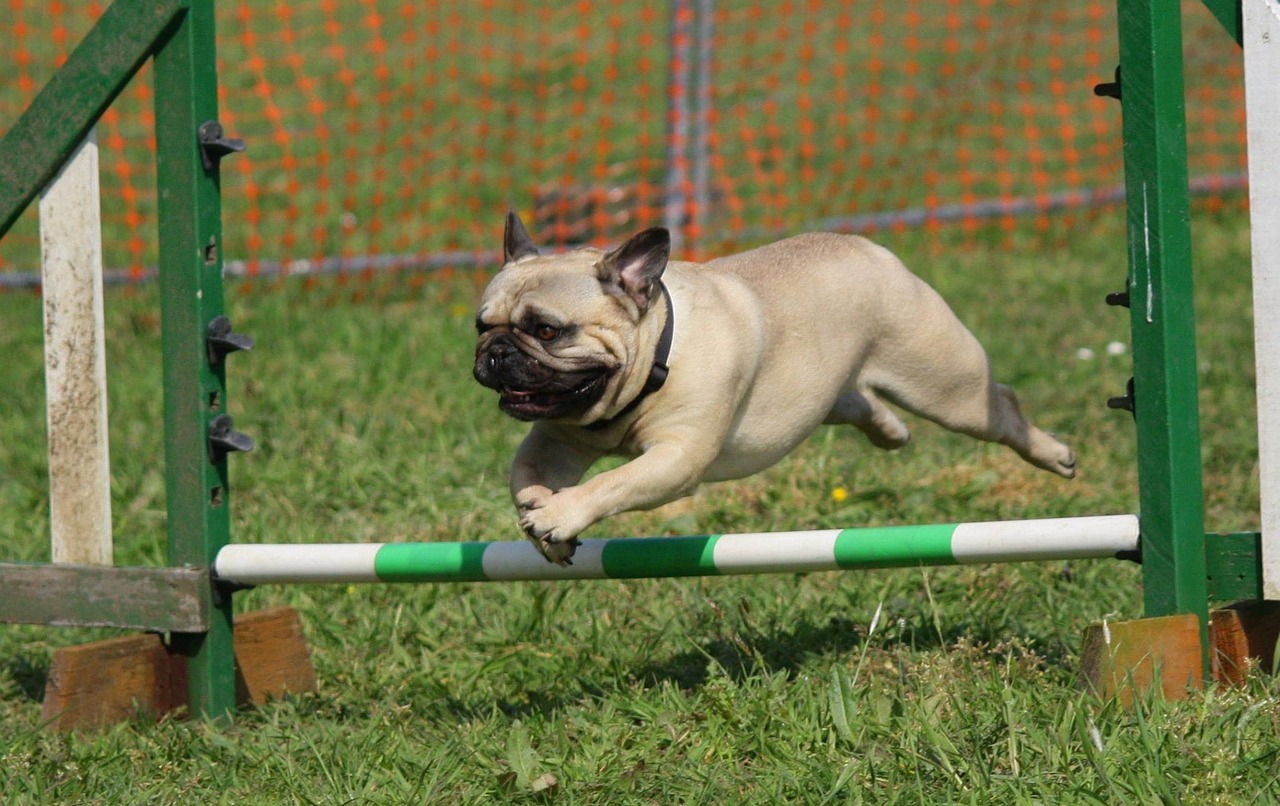
Agility training drills are an essential aspect of developing quickness and overall athletic performance. Incorporating a variety of drills can enhance the skills necessary for quick directional changes and speed bursts. Common agility drills include ladder runs, cone drills, and shuttle runs, all designed to improve foot speed, coordination, and reaction times. Athletes should prioritize consistency in practicing these drills, as repetition leads to improved muscle memory. Coaches and trainers must adjust drill complexity based on the athletes’ skill levels, ensuring a progressive increase in difficulty. Strength and conditioning coaches can also incorporate agility drills into overall training routines, thereby maximizing time efficiency during practice. To further enhance the training experience, it’s crucial to include competitive scenarios that mimic game-like situations, promoting real-world adaptability. Ensuring a variety of drills keeps training sessions engaging and maximizes learning. Athletes should also record their performance to track progress over time. This documentation allows for focused feedback, encouraging continuous improvement. Achieving agility and quickness goals ultimately depends on commitment, consistency, and effective training methodologies tailored to the athlete’s needs and abilities.
Incorporating technology into agility training can significantly enhance an athlete’s performance and efficiency. Wearable devices and motion sensors provide quantitative data on performance during drills. Trainers can utilize this data to analyze an athlete’s speed, acceleration, and body angles during movements. This information is crucial for fine-tuning training regimens and identifying areas for improvement. Video analysis also plays a critical role, allowing athletes to visualize their performance and make adjustments based on biomechanical feedback. By reviewing recorded drills, athletes can identify specific movement patterns that require modification to enhance agility. Furthermore, technology can facilitate remote coaching, where athletes receive guidance through online platforms while performing agility drills at home. This flexibility can help maintain training momentum and support athletes unable to attend regular in-person sessions. Emphasizing an individualized approach utilizing technology ensures that athletes can work on their unique strengths and weaknesses. To maximize the advantages offered by technology during agility training, practitioners must ensure proper implementation and continuous monitoring of performance data. This proactive approach will ultimately accelerate athletic development within the realm of agility and quickness training for every athlete.
Injury Prevention Strategies in Agility Training
A crucial aspect of agility and quickness training is the implementation of injury prevention strategies to protect athletes. High-intensity, rapid movements increase injury risks, particularly to the lower extremities. Consequently, it becomes vital to establish a training regime emphasizing safe movement patterns and muscle strengthening. Coaches should integrate balance training exercises that develop proprioception—the body’s ability to sense its position in space—into agility workouts. This aspect ensures athletes maintain control during explosive movements. Additionally, dynamic stretching warm-ups can prepare muscles for the demanding range of motion required during agility training. Overall body conditioning is essential for injury prevention; incorporating agility training into a broader strength and conditioning program is beneficial for athletes. Adequate rest, nutrition, and hydration also play significant roles in maintaining overall health. Coaches should educate athletes on recognizing signs of fatigue and overtraining to prevent injuries proactively. Cooling down effectively after training sessions aids recovery and promotes muscle relaxation. By prioritizing injury prevention, coaches can support athletes in achieving their agility and quickness training goals while ensuring long-term health and performance sustainability.
Conclusion: In summary, understanding biomechanical influences on agility and quickness training facilitates the creation of effective training programs. A comprehensive approach that includes analyzing kinetics and kinematics, strength and flexibility development, drill implementation, technological integration, and injury prevention strategies is vital. By focusing on these fundamental components, coaches can create personalized training plans that address individual athletes’ needs. Athletes who commit to these training protocols are likely to experience improved agility and quickness, enhancing their performance across various sports. It is essential for coaches to remain adaptable and continually assess training methodologies to meet evolving standards in sports science. Ultimately, integrating a biomechanical perspective into agility training will foster skill development, maximized performance, and injury prevention. Engaging with new research findings also allows coaches and trainers to stay ahead of trends, implementing the most effective training practices available. By prioritizing biomechanics in agility and quickness training, athletes can achieve sustainable performance gains and reach their full potential in competitive environments, thus positively impacting their overall athletic careers and physical well-being in the long run.