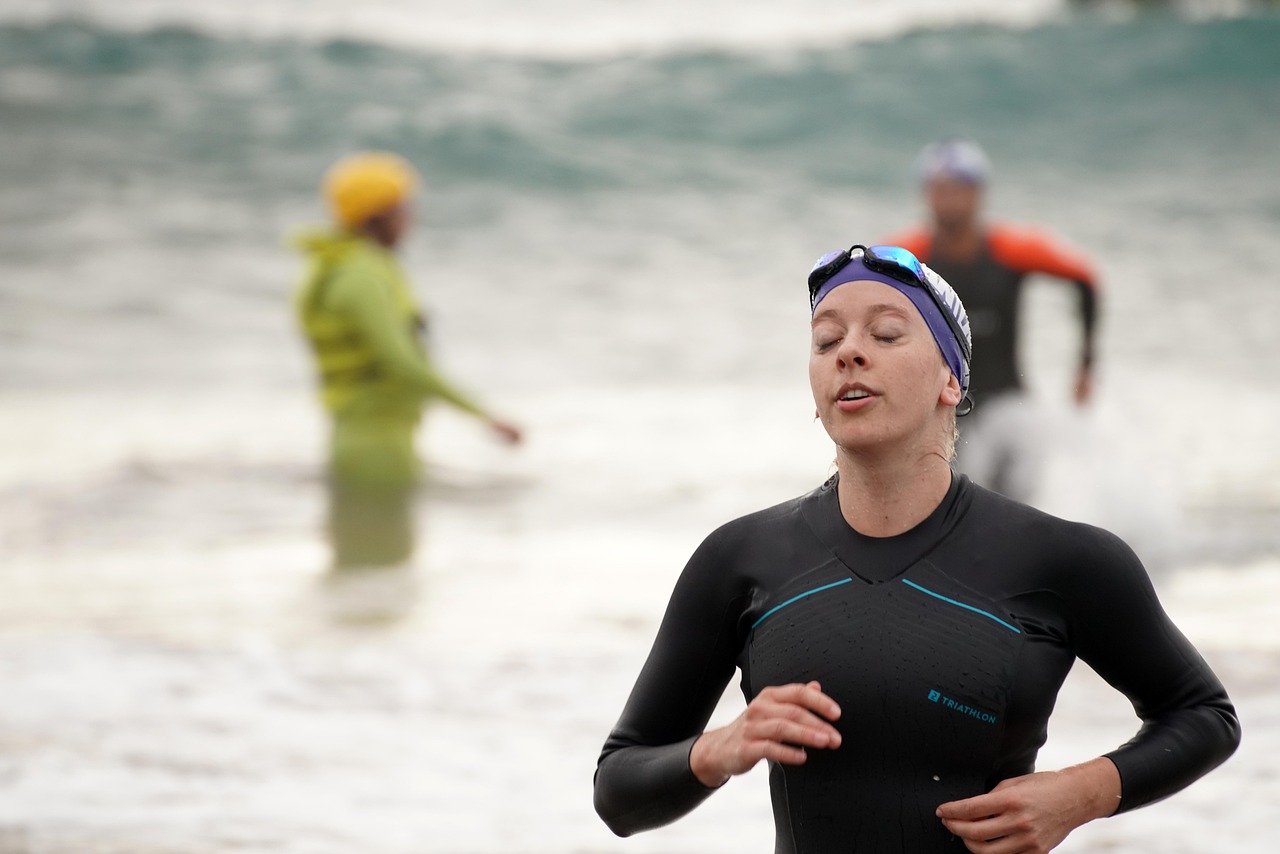

Customized Training Plans Offered at Triathlon Clinics
Triathlon clinics have become a vital resource for athletes seeking tailored training plans. These clinics focus on individuals’ unique needs, considering factors like skill level, fitness goals, and race schedules. By offering specialized guidance, participants can significantly enhance their training experience. This individualized approach allows coaches to highlight the specific strengths and weaknesses of each athlete, optimizing training regimens. Athletes can expect a variety of training methodologies which may include endurance training, strength workouts, and technique refinement. Additionally, the supportive atmosphere in clinics fosters camaraderie among participants, creating a motivating environment. Athletes will receive feedback on their performance alongside constant encouragement from trainers and peers. The objective is not just to prepare for a single event but also to ensure participants build a strong foundation for a lifelong engagement in triathlons. By the end of each clinic, athletes will leave equipped with a personal action plan outlining their critical steps to reach success in future races. Clinics emphasize the importance of balance in training to prevent burnout and injuries while enhancing overall enjoyment of the sport. Thus, proper coaching plays a significant role in achieving personal bests.
One crucial aspect of triathlon training clinics is their focus on nutrition. Nutrition plays a pivotal role in athletic performance, impacting an athlete’s energy levels, recovery, and overall health. Clinics often include nutrition workshops led by specialists who tailor dietary recommendations based on individual requirements. Athletes learn how to fuel their bodies correctly before, during, and after workouts, helping them to optimize performance. Moreover, specific meal plans and snacks are emphasized, including the right balance of carbohydrates, proteins, and fats. Understanding hydration’s role in enhancing endurance is equally essential, with practical advice on when and how much to hydrate during training and races. Participants are also educated on how different foods affect their energy levels and recovery times, helping them make informed dietary choices. Recipes and cooking tips may be shared to demonstrate how easy it is to prepare meals that support training goals effectively. By adopting better nutritional practices, athletes can enhance their training outcomes and reduce the risk of injuries and fatigue. Meeting with sports nutritionists establishes discipline in nutritional habits that carry over into everyday life, ultimately benefiting the athlete’s overall well-being.
The inclusion of advanced technology in training clinics significantly improves the athletes’ experience. High-tech tracking devices and software can analyze performance metrics, providing invaluable insights into the participant’s progression. These tools help monitor heart rates, pacing, and distance effectively, enabling athletes to reach targeted goals. Many clinics utilize video analysis too, offering athletes real-time feedback on swimming, cycling, and running techniques. This immediately beneficial form of feedback allows athletes to focus on areas that require improvement. Additionally, clinics often use data to customize workouts, ensuring that training plans align with each athlete’s progress. Trainers are now equipped with applications that help communicate ongoing performance virtually, allowing quick adjustments based on the athlete’s immediate needs. With performance metrics tracked over time, trainers can analyze patterns and trends based on each athlete’s unique journey through their training program. This not only keeps athletes engaged but also ensures they stay on track toward their triathlon goals. Embracing this technology allows for more personalized coaching and maximizes training effectiveness, ultimately creating a competitive edge compared to traditional training methods that lack individual focus.
The Importance of Mental Training
Mental resilience is fundamental to triumphing in triathlons, making the incorporation of mental training a significant aspect of clinics. Mental preparation is as critical as physical readiness, where specific techniques are employed to bolster an athlete’s mindset. From visualization exercises to motivation techniques, athletes learn how to develop a winning mental edge. Clinics facilitate workshops that instill confidence-building strategies, helping athletes cope with performance anxiety and stress. Participants often engage in group discussions that revolve around personal experiences and mental challenges, fostering a sense of community and support. Understanding how to break down long-term goals into manageable steps is emphasized, allowing athletes to maintain focus and motivation during challenging training periods. These mental strategies ensure participants remain positive throughout their journey, even when faced with obstacles. Techniques like mindfulness and meditation can train athletes to control their thoughts and emotions, leading them to perform at their best, regardless of setbacks. Achieving a balance between mental and physical training is crucial in ensuring long-term success in the sport of triathlon, resulting in a more holistic training experience.
Understanding injury prevention and recovery is a vital component taught at triathlon training clinics. Athletes can engage in essential discussions focused on assessing their risk factors for injuries related to triathlon training. Learning dynamic stretching routines enhances flexibility which is crucial for injury prevention. Clinics often allow participants to practice injury-prevention exercises involving core conditioning and strength training. Additionally, the significance of proper rest and recovery protocols is emphasized to support the athletes’ rigorous training regimens. This can involve strategies such as foam rolling, active recovery techniques, and the importance of quality sleep for optimal performance. Experts may also cover common injuries triathletes face and how to manage them effectively, including recognizing early signs of discomfort. Coupled with knowledge on when to seek professional help, participants will walk away aware of how to maintain their racing ambitions while staying injury-free. Injury management courses equip athletes not only with information but also with practical skills to tackle issues should they arise. This improved understanding fosters a proactive approach to well-being, ensuring participants pursue their goals without unnecessary interruptions.
Preparing for actual races is an essential part of what triathlon training clinics provide. Clinics often culminate in mock race days where participants can apply everything they’ve learned. These structured trials can simulate an authentic race environment, from transitions between different events to timing their pacing. Athletes receive direct feedback and observations from coaches, allowing them to adjust to the pressures of racing situations. This experiential learning fosters confidence, readiness, and strategies essential for successful competing. The ability to test race-day gear and nutrition practices ensures athletes can make necessary adjustments before their actual events. Clinics often encourage participants to formulate personalized race strategies, including how to tackle different terrains and environments. Additionally, athletes engage in mentorship and encouragement exchanges to instill resilience and support among fellow participants. Race simulations provide vital opportunities for athletes to refine their techniques and create a mental roadmap for the event. This practical experience allows participants to embrace the excitement of competition effectively while reducing pre-race jitters and uncertainties. Ultimately, clinics ensure a comprehensive preparation strategy is in place for achieving race day success.
To conclude, triathlon training camps and clinics significantly enhance athletes’ overall success in the sport. The unique, customized training plans offered provide individualized coaching and comprehensive support systems. Athlete education promotes a balanced approach to nutrition, mental resilience, and injury management that is central to achieving their goals. With advancements through technology use, the personalized training regimens are more data-driven, ensuring performance progression is consistently achieved. Moreover, the strong sense of community developed in clinics fosters encouragement and camaraderie among participants, motivating athletes to push their limits. Lessons learned extend beyond the pool, bike, and running tracks, helping shape well-rounded athletes prepared for race day challenges. As clinics emphasize continual improvement, athletes are guided through the intricacies of race preparation and execution, optimizing their competitive edge. Attending these specialized training camps empowers athletes to harness their potential fully, ensuring sustainable growth in their triathlon endeavors. With a focus on these key areas, triathlon clinics pave the way for fostering a generation of skilled, mentally tough triathletes ready to conquer their goals.
Final Thoughts on Triathlon Clinics
Whether you’re a novice or an experienced athlete, participating in triathlon training clinics offers an enriching experience that can elevate your performance. The opportunity for individualized coaching enhances athletes’ technical skills and builds confidence. Community support and collaboration enable athletes to share knowledge, inspiring one another to achieve greater heights. Whether the focus is on physical performance, nutritional strategies, or mental toughness, clinics offer multifaceted training aspects essential for long-term success. Workshops and hands-on experiences allow athletes to connect with their body mechanics, ensuring optimized movement patterns and efficient energy usage. Through structured learning and practice, athletes gain insights into their personal capabilities and limitations, forging pathways towards their goals. The friendships formed during clinics often lead to enduring networks of support as participants continue their triathlon journey together. Regular attendance at these sessions allows continued skill refinement, helping to stay informed on the latest in training methodologies and technology. Ultimately, a commitment to engaging in triathlon clinics can result in the transformation of your athletic experience, ensuring that each race is met with excitement, preparedness, and a drive for excellence.