
Post-Endurance Event Hydration: Recovery Starts Here
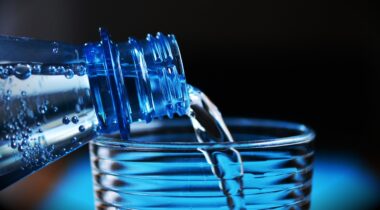
After completing any endurance event, the body requires careful attention to hydration. Proper replenishment helps in facilitating recovery and preventing dehydration effects. Endurance athletes should not overlook the importance of fluid intake, as it can significantly affect post-event recovery. Lack of adequate hydration post-event can lead to reduced performance in subsequent workouts and events. First, athletes should assess their fluid losses during the event and aim to replace those fluids efficiently. Drinking water is vital, but including electrolytes helps balance sodium levels in the body. Sports drinks provide an effective solution, as they contain the necessary carbs and electrolytes to aid hydration and recovery. Additionally, research indicates that optimal hydration can reduce muscle soreness and fatigue, making it crucial for athletes engaged in competitive endurance training. It’s advisable to consume fluids in small amounts frequently rather than large quantities at once, which can lead to discomfort. Lastly, planning hydration strategies that include both water and electrolyte-rich beverages will ensure superior recovery outcomes.
Another crucial aspect of post-endurance hydration involves timing. Timing is essential in the recovery process. Ideally, athletes should start hydrating immediately after completing their event. Delaying hydration could lead to prolonged recovery times and discomfort. Consuming fluids right after finishing promotes recovery and helps the body initiate the repair processes. A practical approach can include drinking about 16 ounces of fluid for every pound lost during the event. This targeted strategy allows athletes to adequately replenish lost fluids. Additionally, monitoring urine color can provide a foolproof indicator of hydration levels. A pale yellow color indicates proper hydration, while dark urine signals the need for more fluid intake. Also, including a mix of high-water-content foods can further aid in recovery. Items like cucumbers, oranges, and watermelon contribute significantly to hydration efforts. Remember, hydration isn’t only about fluids; nutrients also play an essential role in recovery. Prioritize a balanced meal soon after addressing hydration needs to aid muscle repair and replenish energy stores. Hydration should never be an afterthought; it is critical in the complete recovery process.
Electrolyte Considerations for Effective Recovery
During endurance events, athletes not only lose fluids but also key electrolytes like sodium, potassium, and magnesium. Following an event, it is crucial to replenish these electrolytes to facilitate effective recovery. Sodium, in particular, plays a significant role in maintaining fluid balance and is often lost in sweat during intense activity. Consuming sports drinks or electrolyte supplements can restore what’s lost. Potassium and magnesium contribute to muscle function and recovery as well. Foods high in these minerals include bananas, avocados, and spinach. Including these foods post-event helps in restoring electrolyte balance naturally. During recovery, it is important to avoid products that might cause stomach issues or bloating. Ensuring that electrolyte products are easy to digest enhances recovery speed and comfort. Furthermore, research suggests that an ideal recovery drink should contain a 3:1 ratio of carbohydrates to protein. This ratio supports energy replacement and aids muscle repair effectively. Following these hydration and electrolyte protocols can lead to shorter recovery times and improved performance in future events.
Equally important is the role of temperature in post-event hydration. Consuming fluids that are at an appropriate temperature can encourage better absorption and comfort. Cold drinks can refresh the body and assist in reducing body temperature effectively. However, warm fluids may help digestion and absorption during recovery. Athletes must find a balance that works for their specific needs after strenuous activity. Moreover, incorporating flavored hydration options can increase the likelihood of consumption. Taste preference plays a significant role in encouraging athletes to hydrate adequately. During recovery meals or snacks, flavored water, herbal teas, or electrolyte-rich broths can enhance fluid intake. Hydrating with foods that incorporate liquids, like smoothies or soups, can also contribute to meeting fluid requirements. This holistic approach to post-event hydration, focusing on temperature and taste, will ensure that athletes remain encouraged to hydrate effectively after crossing the finish line. Thus, it is crucial to experiment with different beverages during the recovery phase to find what best supports your hydration needs. Meeting hydration goals can ultimately lead to improved readiness for future training.
Hydration Tracking and Tools
To optimize hydration after an endurance event, athletes must consider tracking their intake effectively. Several tools are available to help with this process. First, utilizing hydration apps can help track total fluid intake throughout the recovery period. Having a visual representation allows athletes to set goals and stay accountable in meeting them. Water bottles with measurement markers or intervals can simplify the hydration process, ensuring athletes drink enough. Furthermore, maintaining a hydration log can provide valuable insights into hydration trends over time. Recording fluid intake alongside energy levels can reveal patterns that may influence performance and recovery. Athletes can also benefit from keeping track of personal preferences, including which electrolyte options work best and how they feel afterward. This information can be valuable for planning future races and recovery strategies. Homemade hydration solutions can be crafted easily. Athletes can mix water, a small amount of sugar, and salt to create a simple electrolyte drink. This ensures control over ingredients and offers a personalized hydration approach essential for effective recovery.
Lastly, educating oneself about the signs of dehydration can enhance long-term wellness and recovery. Being aware of symptoms like dry mouth, fatigue, headaches, and light-headedness can prompt timely hydration actions. Athletes should create a personalized hydration plan, incorporating effective strategies learned during their experiences. Developing intuition about hydration needs comes with practice and introspection. Staying proactive about hydration during training also ensures athletes establish good habits they can carry into competition. Including fundamentals in recovery routines provides the body with the best chance to return to peak performance. Additionally, forming a support system with fellow athletes or coaches for accountability can promote a shared awareness of good hydration practices. Encouraging each other to remain hydrated can revolutionize collective recovery strategies. Thus, hydration should be approached not just as singular events but as continuous journeys toward health and performance. Taking the time to understand personal hydration needs can lead to better overall health for any endurance athlete.
Conclusion: The Importance of Hydration in Long-Term Performance
Ultimately, hydration plays a fundamental role in the success and longevity of any endurance athlete’s training and performance. The post-endurance event phase serves as a critical time to address these needs effectively. Implementing specific hydration strategies can significantly improve recovery rates, allowing athletes to prepare for future challenges. Prioritizing fluid and electrolyte replacement, timing hydration intake, ensuring temperature and taste preferences match, and employing tracking tools are all vital components of a sound hydration strategy. Moreover, understanding signs of dehydration helps inform ongoing hydration practices, contributing to overall wellness. Continual refinements in hydration methods can lead to more effective training sessions and improved race performances. Athletes who take hydration seriously after each event are more likely to maintain consistency and prevent injuries and fatigue. Regularly evaluating hydration practices encourages ongoing learning and adaptation, ultimately leading to success. As you cultivate a habit of prioritizing hydration, you are investing in your athletic future. In doing so, you can expect enhanced performance, shorter recovery times, and overall better health moving forward.