
Advanced Trail Running Gear: What You Need for Tough Terrain
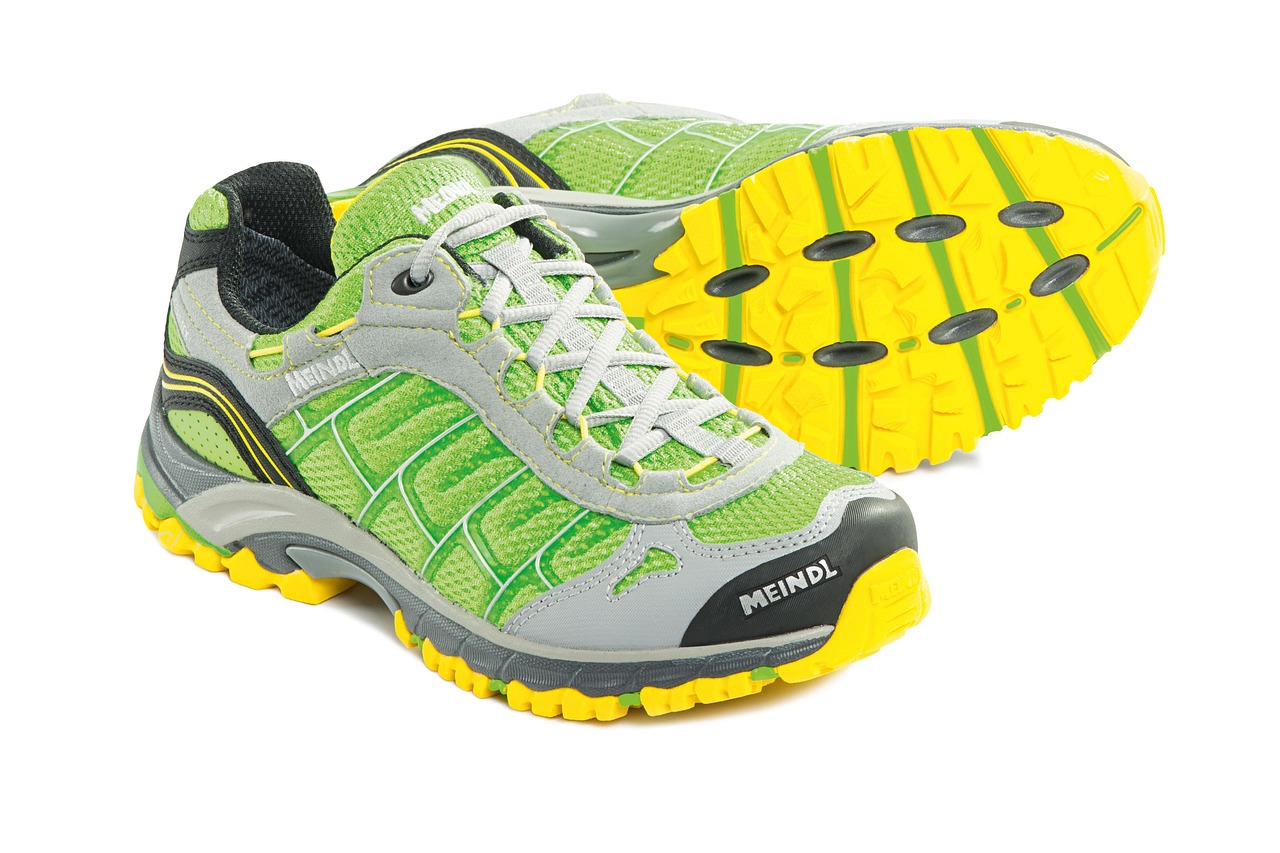
When planning for advanced trail running, selecting the right gear is crucial for tackling tough terrains. Begin with durable running shoes, designed for uneven surfaces and high traction. Look for features such as a robust sole made from sticky rubber that offers grip and stability. A well-cushioned midsole will protect your feet against rocky trails, providing comfort even on long distances. Consider shoes with a water-resistant upper to keep your feet dry during sudden weather changes. Along with shoes, breathable and moisture-wicking clothing is essential. This includes shorts and shirts that will help regulate your body temperature and avoid chafing. Don’t forget a lightweight jacket for unexpected rain; it’s a small addition but incredibly valuable. Additionally, having the right socks cannot be overlooked. High-quality trail running socks can help prevent blisters and provide comfort. Consider options made from materials like merino wool for moisture management. Lastly, accessories such as a hydration pack or handheld water bottle ensure you stay hydrated, especially on longer runs. Being prepared with the right gear will significantly enhance your trail running experience.
Another pivotal element in your trail running arsenal is navigation tools, particularly for advanced terrains where trails may be less defined. Using a GPS watch can be invaluable as it offers real-time location tracking, distance covered, and pace details to adjust your strategy on the move. Make sure to familiarize yourself with the device before hitting the trails. In addition, carrying a topographic map of your route can further aid in navigation, especially in tricky areas where technology may fail. Always have a reliable compass on hand as a backup. Along with navigation tools, emergency gear is non-negotiable. A small first aid kit, including band-aids, antiseptic wipes, and blister treatment, can make a world of difference in case of minor injuries. Consider including an emergency whistle for signaling in unforeseen situations. An extra layer, such as a lightweight thermal top, can provide added warmth during sudden temperature drops. Moreover, carrying a multi-tool can help with various tasks, from gear fixes to opening packages while snacking on the trail. Being prepared with navigation and emergency gear will increase your confidence on tougher runs.
Nutrition and Hydration
Nutrition and hydration are critical factors in maintaining your energy during advanced trail runs. On longer runs, traditional snacks may not suffice; thus, energy gels or bars specifically designed for endurance athletes can provide quick energy. These products often contain carbohydrates, electrolytes, and essential minerals for better performance. It’s essential to practice consuming these nutrition options during training runs to understand how your body will react. Familiarizing yourself with their tastes and digestibility will prevent unexpected issues on race day or long training sessions. Hydration is equally crucial; depend solely on water can lead to dehydration. Thus, electrolyte-replenishing drinks should be regularly consumed to maintain optimal performance levels. Adding electrolyte tablets to your hydration system is a smart choice for a lightweight solution. Consider setting a schedule for hydration and nutrition throughout your run. This way, you can proactively manage your body’s needs, making it easier to maintain the energy needed for tough climbs and long-distance runs. Always remember that proper refueling during your runs will enhance recovery, allowing you to train and perform better on subsequent days.
One of the most overlooked aspects of trail running gear is safety equipment. For advanced trail runners, having a headlamp or a handheld light source is crucial for visibility during early mornings or evenings, when natural light diminishes. Opt for adjustable brightness levels, USB rechargeability, and lightweight designs to combat fatigue. Additionally, running with a partner or a group can increase safety on remote trails. Always let someone know your route and estimated return time before heading out. A personal locator beacon (PLB) is also worth considering for emergency situations, as it can alert rescue teams if necessary. Another important safety element is sun protection. Applying a good sunscreen is a must, especially when running bare-headed or exposed areas. A cap or visor not only protects your face but also helps keep you cool. Make sure to invest in a good pair of sunglasses designed for sports; they should offer UV protection and be lightweight to enhance comfort. Taking these safety precautions ensures you’re well-prepared for the unpredictable nature of trail running.
Essential Gear for Tough Trails
When venturing into tough trail conditions, essential gear like trekking poles can greatly aid stability and reduce impact on your joints during steep ascents or descents. Advanced trail runners often prefer collapsible poles that can easily fit into backpacks when not in use. Look for lightweight yet sturdy materials that provide excellent grip and durability. Another essential item is a quality running pack, capable of carrying water, snacks, and necessary supplies without hindering movement. Ensure it has adjustable straps for a snug fit and sufficient pockets for organization. Breathable mesh materials will also enhance comfort. Consider a small, packable poncho for weather unpredictability as well; its lightweight nature ensures you won’t be weighed down. For additional comfort, an emergency space blanket is a compact addition to any pack, offering warmth in the case of an unexpected temperature drop. Beyond these essentials, specialized gloves can protect your hands from abrasions, while also providing warmth during chilly runs. This comprehensive gear selection will prepare you for almost any scenario, ensuring your focus remains on the thrill of the trail.
Lastly, investing in injury prevention gear such as knee supports or compression sleeves can greatly enhance your performance by reducing fatigue and soreness. Compression gear has the added benefit of promoting blood circulation, which can help optimize muscle recovery. Choosing high-quality materials that wick away moisture will also keep you comfortable during prolonged wear. Don’t forget about foot care—an often ignored yet vital aspect. A pair of ankle supports will protect weaker joints and reduce the risk of rolling an ankle on uneven terrain. In addition, consider braces for various joints if you have a history of injuries. Ultimately, wearing the right clothing can greatly affect your overall experience while trail running in challenging environments. Make sure your outfits are designed to move with you rather than impede your movement. Choose functional yet stylish options that inspire confidence on the trails. Remember, comfort and performance go hand-in-hand, and investing in appropriate gear from shoes to accessories will ensure you remain safe, comfortable, and successful on even the toughest trails.
Conclusion: Preparing for Advanced Trail Runs
To sum up, preparing for advanced trail running requires a detailed understanding of your gear’s specific functions and purposes. Each piece of gear plays a significant role in enhancing your performance by offering support, protection, and comfort. Focusing on hydration, nutrition, safety, and appropriate clothing can significantly affect your running experience and your ability to withstand diverse and challenging terrains. Investing time in selecting quality gear tailored to your unique experience and needs will not only make your runs more enjoyable but will also contribute to long-term health benefits. Remember to test all-new gear before the race or long run to eliminate potential issues on the trail. Through proper planning and preparation, you can tackle any advanced trail running challenge with confidence. Embrace the journey of trial and error in finding the perfect gear and strategies that suit your style. Every run is a chance to learn and grow stronger, so gear up wisely to make the most of every trail adventure. Chase those breathtaking views and revel in your accomplishment, as you pave the way for further exploration in the great outdoors.
This is another paragraph with exactly 190 words…