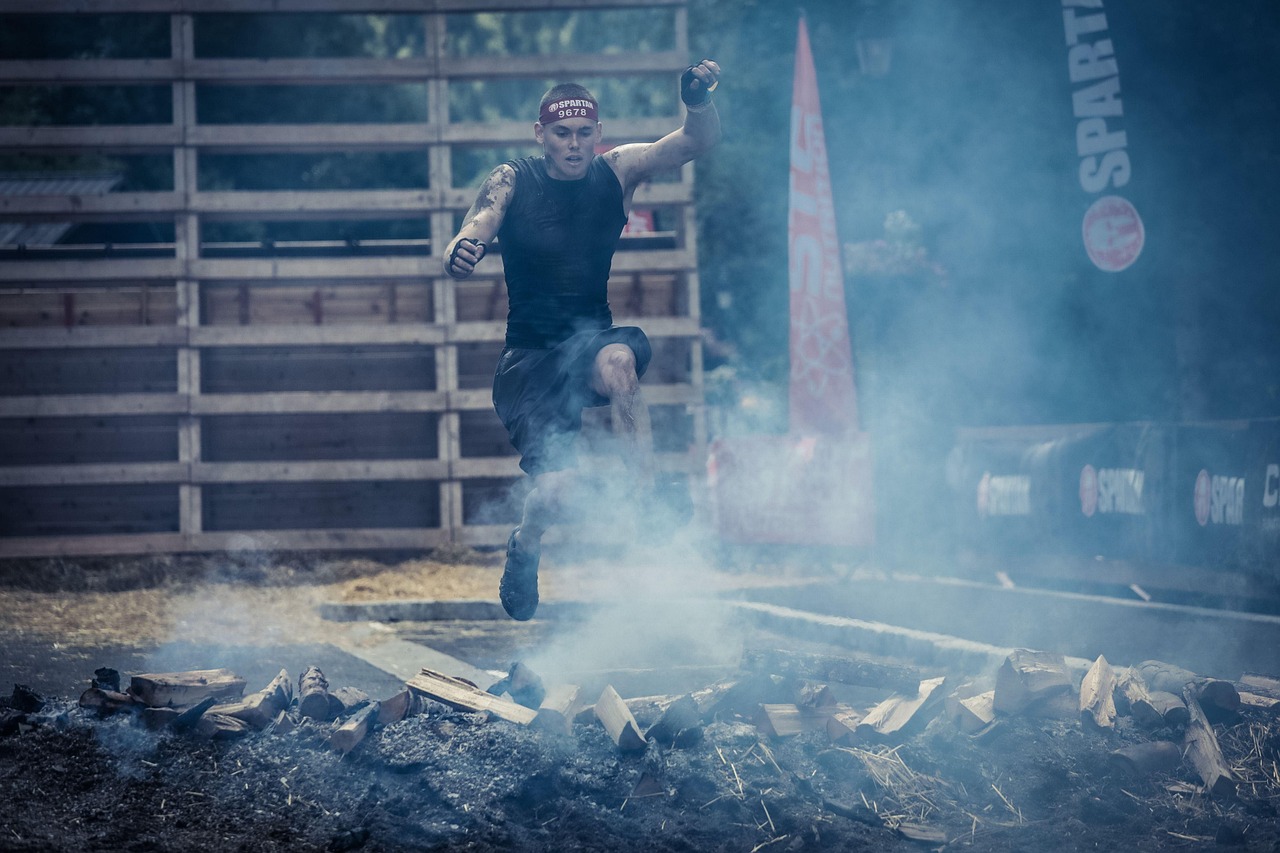

Footwork Drills to Enhance Agility in Obstacle Challenges
Obstacle Course Racing (OCR) demands exceptional balance and agility, essential for navigating diverse challenges. Incorporating specific footwork drills into your training regimen can significantly enhance these skills. First, consider the ladder drill, which encourages rapid foot placement and coordination. Lay a ladder flat on the ground, ensuring there’s enough space to perform various drills, such as high knees, lateral shuffles, or in-and-out steps. This exercise improves both speed and control, critical when tackling uneven surfaces. Next, the cone drills enhance the ability to change direction quickly. Set up cones in a zig-zag formation and race through them, focusing on quick foot movements and maintaining balance. Perform these drills regularly to see notable improvements in your performance during races. Incorporating balance boards or stability balls can also be beneficial. These tools challenge your core stability while performing footwork, essential for OCR. As you progress, increase the complexity of drills to keep your training engaging and effective. Consistent practice not only builds strength but also confidence while racing. Stay committed to enhancing your agility as you prepare for your next obstacle course!
Another beneficial drill is the single-leg hop, which enhances balance and proprioception. Begin by performing small hops on one leg for a designated distance. Gradually increase the distance as you become more competent. This drill improves your control and helps you become adept at maintaining balance while maneuvering over obstacles. Next, consider incorporating dynamic stretching into your routine, which promotes flexibility and agility. Movements like leg swings, walking toe touches, and high-knees increase your range of motion and prepare the body for intense workouts. This practice ensures your muscles and joints are primed to handle the rigors of obstacle racing. Strengthening your lower body also helps; squats and lunges contribute to the power needed for explosive movements in races. Perform these exercises with proper form, focusing on control and stability. Additionally, plyometric workouts, like box jumps, can build explosive power in your legs. This energy translates to greater speed and agility when overcoming obstacles. Remember to keep hydration and nutrition prioritized in your training to maximize performance and recovery. With dedication to these drills, you’ll find improvements in your overall racing experience!
Incorporating Variety to Maintain Engagement
Variety in your training regime is crucial to avoid plateaus in progress and to keep motivation levels high. By combining various drills, you enhance different aspects of your performance without becoming bored. For instance, set a circuit that alternates between footwork drills, strength exercises, and stretching routines. This circuit format allows you to switch focus frequently, providing both physical and mental stimulation. Additionally, integrate team challenges or partner drills. Training with others can foster camaraderie while pushing you toward achieving your best. Consider setting up friendly obstacle races amongst peers to simulate actual race conditions. This method not only develops physical skills but also mental toughness essential for racing. Competing against others may prompt you to push beyond your perceived limits. Tracking your progress can provide motivation; use a training journal or mobile app to record your achievements. Equally important is rest; incorporate recovery days into your training schedule to let your muscles rebuild. Tuning into your body’s signals is vital, ensuring you’re always prepared for the next challenge ahead. Staying flexible and adaptable will serve you well both in training and during obstacle course racing!
Footwork drills can also be adapted depending on the specific obstacles you might encounter in races. For example, if your course has walls or platforms, practice drills that include jumping, climbing, or even crawling. Incorporating terrain changes in practice by training on hills or rocky surfaces helps mimic race conditions too. Engaging in trail running can be particularly beneficial, as the uneven ground simulates scenarios faced during OCRs. Consider alternate surfaces for drills as well; this increases ankle stability and prepares you for slips or instability during actual races. Breaking away from routine lets you experience various physical challenges, improving agility under unpredictable circumstances. Lastly, visualize race scenarios while training; this mental preparation can make a substantial difference when performing on race day. Picture how you will approach obstacles, transition between footwork drills, or recover from a stumble. Merging mental imagery with physical drills creates a comprehensive training approach, thus preparing both the mind and the body. With this thorough preparation strategy, you can conquer courses more effectively and build the confidence to face new challenges head-on.
The Importance of Footwear
Choosing the right footwear plays a pivotal role in enhancing agility during obstacle course racing. Ensure you invest in high-quality, lightweight shoes with excellent grip, as they can make a significant difference in performance. Look for shoes specifically designed for OCRs, as they typically include features like reinforced toes and drainage systems. Optimal footwear provides stability on various terrains, greatly reducing the risk of slips or injuries during training and racing. Begin your training sessions by gradually breaking in your shoes, which allows for the right fit and minimizes discomfort over time. Also, consider the insoles; investing in high-performance insoles can enhance comfort and support during rigorous training. Furthermore, aim for shoes that bolster ankle support, crucial when navigating uneven ground and heights. Keeping your footwear clean and free of mud or debris ensures better traction on race day. Regularly inspect your shoes for signs of wear, replacing them as necessary to maintain peak performance. Your feet play a crucial role in your overall agility, so caring for them while finding suitable footwear will directly impact your OCR experience positively.
Recovery plays a critical role in your training plan, especially when focusing extensively on drills. Make sure to prioritize post-training recovery strategies, such as stretching, foam rolling, or cold baths to invigorate your muscles after intense workouts. Establishing a consistent cool-down routine post-drills can help reduce soreness, maintaining your agility performance levels. Also, adequate hydration and nutrition cannot be overlooked, as proper diet fuels your energy levels during both training and competitions. Focus on consuming a balanced diet rich in protein, healthy fats, and carbohydrates to repair muscle tissue and facilitate recovery. Effective sleep patterns should also be a priority; aim for at least 7-9 hours of quality sleep each night to allow your body to recover and adapt. Additionally, consider regular check-ins with a coach or trainer to evaluate your technique and discuss progress. They can introduce new drills to your routine or tweak existing exercises to maximize their effectiveness. Continuing education on obstacle challenges can also enhance your strategy while navigating races. Committing to your recovery and overall well-being will ensure that your training is sustainable and effective in the long run.
Final Thoughts on Agility Training
As your training progresses, remember that agility drills form the foundation for success in obstacle course racing. The combination of strength, balance, and swift footwork is essential to navigates these races successfully. By incorporating diverse drills, varying surfaces, and monitoring progress, you can create a well-rounded training plan. Constantly challenge yourself with new workouts to stimulate improvement, making each session beneficial for skill development. Implement mental strategies alongside your physical preparations to foster resilience and confidence in your ability to perform effectively on race day. Finding a group of like-minded individuals to train with can help energize your dedication to behaviors that establish endurance and agility. Finally, as you approach your event day, devise a race strategy tailored around the specific obstacles ahead. Prepare for the unexpected; obstacles can change, and adapting to new environments will keep you mentally sharp. Embrace the journey of training, learning from failures, and celebrating achievements. Ultimately, agility, balance, and resilience are key attributes to mastering obstacle course racing. With a dedicated mindset, you’ll find yourself surpassing your own limits in every race you undertake!