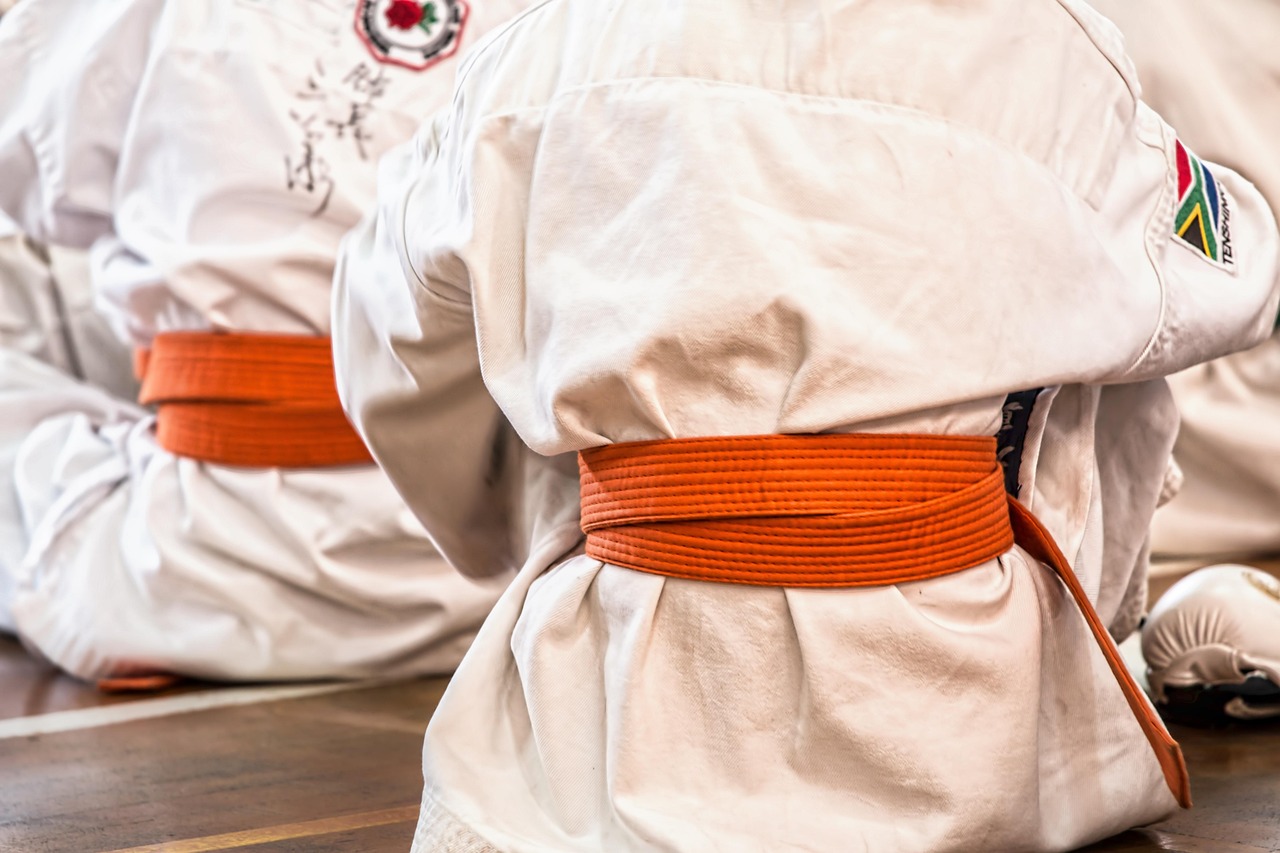

Goal Setting in Taekwondo
Goal setting plays an essential role in the journey of a Taekwondo practitioner. Establishing specific, measurable, achievable, relevant, and time-bound (SMART) goals enables individuals to focus their training efforts effectively. Whether it is earning a new belt, mastering a specific technique, or competing in tournaments, having clear objectives can motivate practitioners during their training sessions. Setting short-term goals can provide initial benchmarks that lead to long-term achievements. By breaking down broader aspirations into manageable parts, students can track their progress more easily. This structured approach not only helps in skill development but also instills discipline and enhances performance levels. Coaches should actively work with their athletes to help them articulate their objectives and ensure that these goals align with their current level of ability. Utilizing resources like training journals or digital applications can assist athletes in monitoring their success over time. It ultimately builds a sense of accomplishment upon reaching these milestones, empowering students to face more significant challenges. Consistent reflection on these goals is equally essential, allowing for adjustments when necessary. Regular feedback not only boosts motivation but also fosters a deeper understanding of progress.”},{
The Importance of Progress Tracking
Progress tracking is a vital component of any effective training regime, especially in Taekwondo. Regularly assessing your advancement helps identify strengths and weaknesses, allowing for a targeted approach to training. Many practitioners tend to overlook this aspect, but it’s crucial for optimal performance. Coaches should encourage athletes to record their training activities, techniques learned, and personal bests. These records serve as a reference point to analyze the effectiveness of their training methods. Incorporating technology can enhance this process, as various applications are designed to track performance metrics, such as speed, agility, and technique accuracy. Furthermore, the psychological benefits associated with seeing recorded progress can be enormous; they boost self-esteem and maintain motivation levels. Many students experience a sense of pride when they can visually compare their techniques over time. By evaluating performance at regular intervals, adjustments to training programs can be made to ensure continued growth. This ongoing evaluation allows both athletes and coaches to make informed decisions derived from quantitative data, ultimately improving training outcomes. In Taekwondo, continuous improvement is essential, making progress tracking an indispensable tool for any dedicated practitioner.”},{
Setting Realistic Expectations
When it comes to Taekwondo, setting realistic expectations is paramount. Athletes often underestimate the time and effort required to progress through the ranks, leading to frustration and burnout. By developing an understanding of their capabilities and limits, students can set attainable objectives that keep their spirits high. Coaches should emphasize the importance of patience and resilience, fostering a mindset that values incremental progress over immediate results. Embracing challenges while also recognizing personal growth helps build emotional intelligence, critical for any martial artist. This process of achieving smaller goals paves the way for long-term success and cultivates dedication. Moreover, athletes should acknowledge that each individual’s journey is unique; factors like previous experience, fitness levels, and training environments contribute to one’s rate of progress. Encouraging a culture of support and camaraderie among team members reinforces the idea that everyone is at different stages of their development. Celebrating these small victories can serve as powerful motivation, creating a positive training atmosphere. In doing so, students recognize their achievements, which ultimately fosters a love for the sport and encourages lifelong participation.”},{
Types of Goals in Taekwondo
In Taekwondo, there are various types of goals practitioners can set to guide their training. Academic goals, such as learning new forms or mastering specific kicks, fall under technical objectives. Additionally, performance goals related to competitions, like achieving a medal or beating a personal record in sparring matches, offer a tangible benchmark for many athletes. Another significant area to consider is mental goals, which focus on developing a strong mindset, increasing concentration, and enhancing emotional control during training or competition. These types of goals reflect the multifaceted nature of martial arts, where physical skills intertwine with mental acuity. Coaches can assist athletes in determining where to direct their focus based on their interests and skill levels. As fighters progress, it may be helpful to reassess various objectives throughout their journey. This ongoing evaluation allows athletes to prioritize certain skills over others while ensuring a well-rounded approach to training. Engaging in regular discussions about these goals can motivate and inspire commitment to personal growth in all aspects of the art. Overall, the diversity of goals makes Taekwondo a comprehensive discipline, helping athletes become adept martial artists.”},{
Utilizing Feedback for Improvement
Feedback is an invaluable component in the process of goal setting and progress tracking within Taekwondo training. Constructive criticism from coaches and peers provides athletes with insights into their techniques and performance levels. By adopting a proactive approach to feedback, students can better understand their strengths, weaknesses, and areas that require refinement. Utilizing tools like video analysis can further enhance the feedback process, providing a visual reference that highlights both successful maneuvers and mistakes. This dual feedback approach engages athletes, promoting a deeper understanding of their training. Additionally, coaches who offer regular, specific comments foster a more robust learning environment, wherein athletes feel encouraged to ask questions. Open discussions regarding goals, techniques, and progression keep both parties engaged and aligned on specific objectives. Celebrating successes noted through feedback can boost morale and maintain motivation on challenging days. Athletes should try to view criticism as an opportunity for growth rather than a setback. Leveraging this information helps create a continuous cycle of improvement that encourages long-term success and development in Taekwondo. Consequently, athletes become adaptable and resilient martial artists.
Maintaining a Balanced Approach
In the journey of mastering Taekwondo, maintaining a balanced approach to training and goal setting is crucial for overall well-being. Athletes should strive to find harmony between physical exertion, mental focus, and recovery. Overtraining can lead to burnout and injury, hindering performance and progress. A well-rounded training program considers various aspects, including flexibility, strength conditioning, and cardiovascular fitness. Furthermore, the mental aspect of martial arts training cannot be ignored; incorporating meditation or visualization techniques can help clear the mind and enhance focus. Coaches should monitor their students’ mental and emotional states to ensure a comprehensive approach to Taekwondo coaching. Setting aside time for recovery and reflecting on training experiences enhances the learning process and solidifies the athletes’ commitment to their goals. Collaborative training environments, where students enjoy the support of their teammates, encourage knowledge-sharing and elevate the training experience. Ultimately, helping athletes develop both physically and mentally is needed for them to reach their goals. This holistic approach optimizes overall performance, ensuring students remain dedicated to their Taekwondo journey over time, regardless of challenges they might face along the way.
Conclusion on Goal Setting and Tracking
In conclusion, goal setting and progress tracking are fundamental elements in the realm of Taekwondo training. By establishing clear intentions and employing effective strategies for monitoring advancements, practitioners can maximize their potential. The interaction between goals and feedback reinforces sustained growth and development in both technique and mindset. As students move through their martial arts journey, understanding the importance of setting realistic expectations and maintaining balance in their training will serve them well. Coaches play a pivotal role in guiding athletes through this entire process, fostering a positive atmosphere where everyone feels valued and motivated. By reflecting on progress through a structured approach, athletes not only gain self-awareness but also cultivate the resilience needed for success. Progress tracking, when utilized effectively, reveals deeper insights into personal development, enabling a continual pursuit of excellence. The ultimate reward for engaging in this disciplined, structured training is the transformation of individuals into confident, skilled martial artists. With perseverance and dedication, no goal is out of reach, and each athlete can find their path towards success in Taekwondo.