
Skateboard Repair Safety Tips: Protect Yourself While Fixing
Skateboard maintenance is crucial for ensuring a smooth ride, but safety is often overlooked. The first step is proper preparation. Always set your workspace in a well-lit and open area. A cluttered space can lead to accidents and unwanted injuries. Ensure that you have all necessary tools at hand, including screwdrivers, wrenches, and skate-specific tools. Keep a first-aid kit nearby, just in case. It’s also essential to evaluate your skateboard. Check for damage or loose components that could pose risks. If you notice cracks in the deck or bent trucks, consider replacing those parts before further use. Optimize your workspace with adequate ventilation to avoid inhalation of fumes from adhesives or other materials that might be utilized during repairs. Look out for sharp edges on broken hardware as well. Wearing gloves is a smart choice for protection. When using power tools, follow safety guidelines and wear protective eyewear. Safety should never be compromised when engaging in repairs. Always educate yourself on the best safety practices relevant to the equipment you are using while working on your skateboard.
Another crucial aspect of skateboard repair safety is understanding the tools you utilize. Familiarize yourself with each tool’s function and how they work. For example, understand the difference between Phillips and flat-head screwdrivers and when to use them. Misusing tools can lead to accidents or damage to parts. If you’re uncertain about how to use a particular tool, consult the user manual or guidance from experienced skateboarders. Always maintain your tools in good condition; dull blades or worn-down tools are more hazardous. It’s also important to work methodically, which helps prevent mistakes. Develop a consistent routine for inspection and repair. Take the time to learn various maintenance techniques, such as bearing cleaning and lubrication. Ensure that you keep components properly sorted during repairs, so you don’t lose parts or confuse sizes. A mini toolbox is a great investment for organization. Return tools to their place after use, which minimizes the chance of injury. When storing your skateboard, keep it in a safe location, away from traffic or the potential for harm. Proper care and workshop organization contribute significantly to a safer repair process.
Properly Using Safety Gear
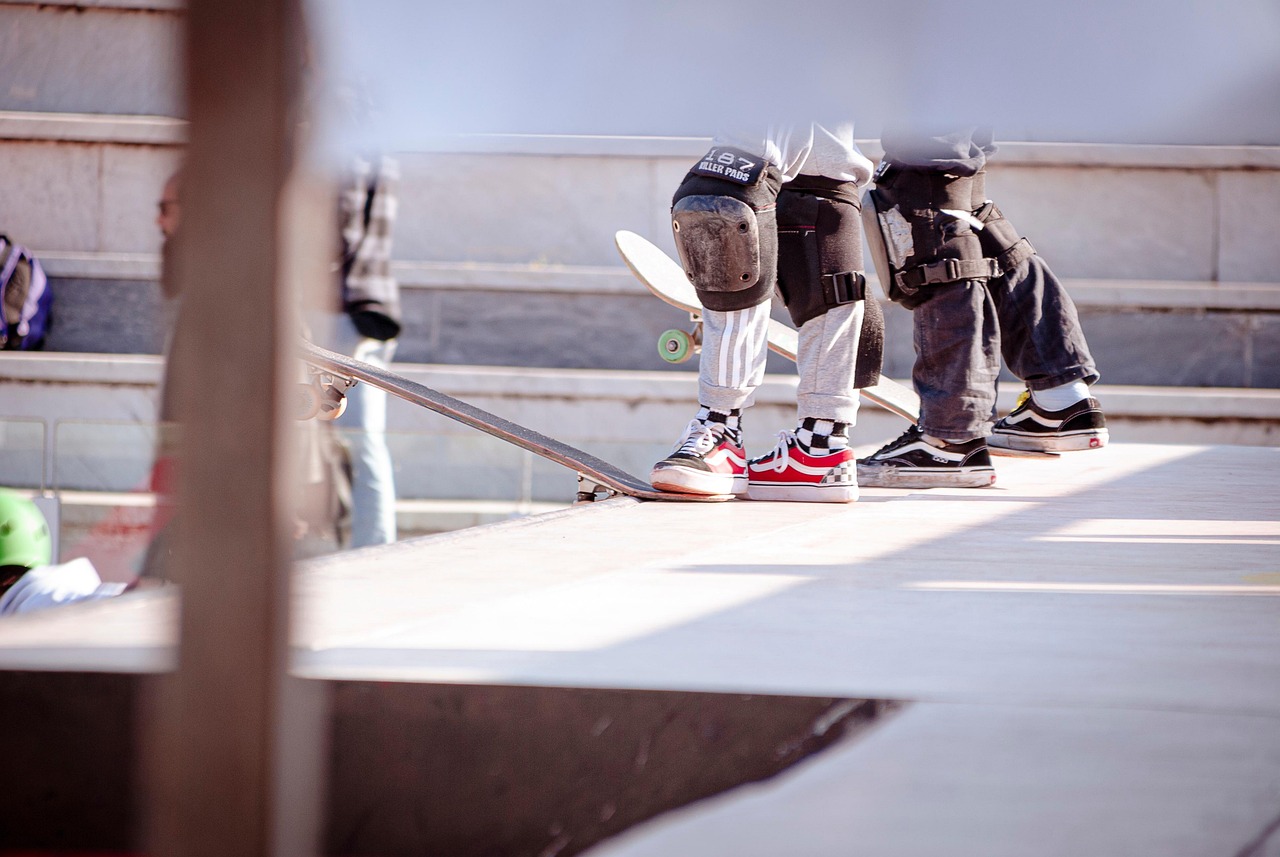
Wearing the right safety gear cannot be stressed enough. This includes items like gloves, safety goggles, and knee pads. Even though you’re simply maintaining your skateboard, these precautions can significantly reduce the likelihood of injuries. Start with gloves; they not only protect your hands from sharp tools but also conserve grip power. Safety goggles are essential when grinding or cutting any part of your board; chips or debris can fly up and pose serious risks. Knee pads and elbow pads, while typically associated with riding, protect your limbs if you lose balance during repairs. When it comes to clothing, opt for long sleeves and sturdy shoes. They provide additional protection against accidental falls or mishaps. Always make sure your workspace is free from unnecessary hazards—like loose cords that could cause you to trip. Consider having a spotter nearby if you’re attempting a complex adjustment or have heavy equipment. These measures add an extra layer of caution to your repair process. Prioritizing safety gear ensures you stay injury-free while keeping your skateboard functional and ready for the next ride.
Being aware of your environment is also vital for safety during skateboard repairs. Make sure you’re working on a level surface to prevent tipping or falling tools. Avoid areas where other people or pets may walk, as they can distract you while you’re using sharp objects or risking injury. Ideally, create a designated area for skateboard repairs away from the main household traffic. If you’re in a rented space, ensure that tools or equipment do not damage the property. Maintain clear communication if others are around you, letting them know you’re working with tools that could injure. Additionally, consider the potential mess created from debris or broken parts. Clean up after repairs to minimize risks for anyone who may walk through. Dust or small parts can easily create hazards. It’s good practice to dispose of broken components immediately rather than leaving them on the ground. When using adhesives or paints, keep the area well-ventilated and aware of chemical sensitivities or allergies among nearby individuals. Being mindful of your surroundings enhances your safety as you take on skateboard repairs.
Securing Loose Parts
Securing any loose parts on your skateboard is an important aspect of maintenance that directly influences safety. The first step to this process involves checking the skateboard’s screws, nuts, and bolts. Regularly inspect each of these components to ensure that they are not loose or stripped. If you find loose pieces, make it a practice to tighten them systematically. If any hardware appears damaged, replace it immediately. Use lubricant when necessary to ensure that parts operate smoothly. However, avoid over-lubricating, as excess can lead to slipping performance or unwanted mess. Consider checking the tension on the trucks and the stability of the wheels again before each ride. A loose truck can severely impact your deck’s maneuverability and safety during use. Always test the integrity of your skateboard after performing repairs or adjustments. Simple methods like giving it a kick or inspecting for wobbling can reveal potential issues. Make it a point to examine your skateboard after significant rides or falls. Implementing this practice dramatically enhances not only your safety but that of others around you.
Another valuable tip for secure skateboard maintenance is the use of high-quality materials. Always choose quality over cost when it comes to replacement parts or tools. Low-quality materials typically break under stress, compromising your safety. Focus on reputable brands and check for reviews before purchasing replacement wheels, trucks, or bearings. Evaluate what materials are recommended by seasoned skaters or manufacturers for optimal performance. Choosing parts that meet your specific riding style or weight requirements is essential. Remember, safety gear is equally important; don’t skimp on helmets, pads, or other protective equipment. In the long run, investing in quality components saves money. Your skateboard remains safe and functional, reducing injury risk due to faulty equipment. Consider local shops specialized in skateboarding; they often stock quality gear and provide insights into the best products for your needs. Follow manufacturers’ guidelines for installation and usage. Consult skilled skaters or mechanics when in doubt for thorough support. Prioritizing quality will ensure your repairs keep your skateboard performing at its best.
Post-Repair Checks
Regular post-repair checks are also essential for maintaining safety and performance. After any repair work, it’s a good practice to do a thorough surface check on your skateboard. Look for any abnormalities in how components fit together. For example, observe how the grip tape aligns with the deck and ensure everything remains intact. Pay attention to the wheel attachment as well; spin each wheel to ensure they rotate smoothly and are securely fastened. Wobbling wheels can lead to unpredictable handling on your skateboard. Before riding, take the board for a quick test under your own weight. Stand on it gently to feel for stability and to check for creaks or unusual sounds. Take your skateboard out for a slow ride initially to confirm that everything functions well. It doesn’t hurt to review safety protocols periodically as well. Knowledge and preparedness can significantly impact your overall experience and ensure your safety on the skateboard. These simple checks can save you from injuries caused by unexpected component failure during rides.
Finally, make it a habit to periodically review safety tips related to skateboard repairs. The goal is not only to maintain your skateboard but also to stay informed about changing trends or evolving tools within the skateboarding community. Join local skateboarding forums or groups where you can share experiences and glean insights. Learning from others’ challenges or successes can enhance your own approaches. Additionally, research can uncover newer tools or techniques that make repairs easier or safer. Stay updated on safety gear innovations, as new products with enhanced features can offer more protection. Make an effort to attend skateboarding workshops whenever possible; engaging directly with experts can yield valuable lessons. Bringing insight to your repair practices ensures that you’re not just following old trends that may no longer be effective. As skate culture develops, embrace being proactive about learning. Knowledge about safety and repair techniques empowers you to keep your skateboard functioning seamlessly while ensuring you remain injury-free, regardless of your expertise level or frequency of riding.