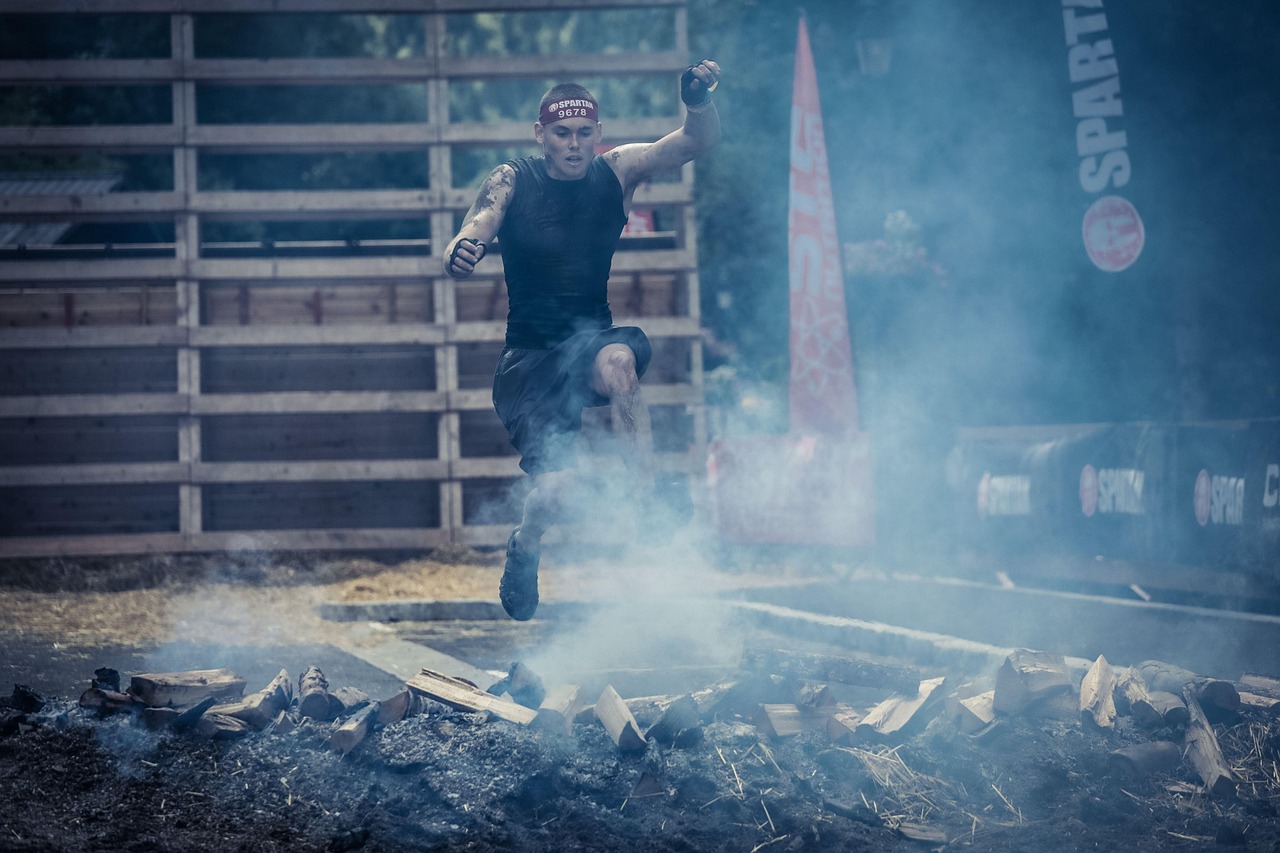

Explosive Agility Moves to Master Obstacle Challenges
Obstacle course racing demands a unique mix of strength, speed, and agility, making it essential for participants to master various drills. One essential method to enhance performance is through explosive agility moves designed to develop both balance and quick directional changes. Adding these drills to your weekly training regime will significantly improve your overall agility and ability to adapt to sudden obstacles. Focus on incorporating exercises that target lateral movement, forward propulsion, and backward agility. Incorporating moves like lateral bounds, high knees, and quick feet drills can maximize explosiveness. Ensure a proper warm-up to prevent injury, focusing on dynamic stretches to prepare your muscles. Consider utilizing tools such as cones or hurdles to mark distances and challenge your limits. Engaging in agility drills not only develops your skill but also increases your cardiovascular fitness. For competitive racers, mastering these moves can mean the difference between victory and defeat. Stay committed to practicing regularly, tracking your progress, and refining your technique. Remember, agility is a vital aspect for maneuvering through the course smoothly and efficiently, ultimately setting you up for success at the next race.
Key Balance Drills for Superior Performance
To further enhance your performance in obstacle course racing, incorporating balance drills is paramount. These exercises will allow you to navigate tricky terrains with confidence and fluidity. Consider practicing single-leg stands, stability ball exercises, and balance board routines to strengthen stabilizing muscles. When undertaking these drills, focus on maintaining proper posture, keeping your core engaged. Variations like eyes-open and eyes-closed balance challenges can significantly increase your proprioceptive abilities. Use tools like BOSU balls and resistance bands for added complexity. Moreover, set up various obstacles to tackle while maintaining balance, mimicking race conditions. This will help improve coordination and stability under pressure. Make these movements part of your regular training schedule for maximum effectiveness. Remember, consistency is the key to improvement. Over time, you will notice enhancements in your balance, which are crucial for successfully navigating those demanding race elements. Evaluate your progress periodically by timing how long you can maintain your balance on unstable surfaces. As you refine your skills, you will find yourself executing maneuvers smoother, even in high-stress racing situations. This extra edge could be critical in achieving your racing goals.
Agility Ladder Drills to Enhance Speed
An agility ladder is an excellent training tool that facilitates the development of speed and coordination. Ladder drills are versatile and can be tailored for various skill levels, making them suitable for everyone in the obstacle racing community. Start with simple side steps and progress to more complex footwork drills such as in-and-out hops and crossover steps. These exercises are excellent for improving foot speed, which is vital when approaching obstacles quickly. Focus on keeping your head up during these drills to maintain awareness of your surroundings, particularly in race situations. Incorporate interval training to automatically elevate the intensity of your agility ladder sessions. This will help improve your endurance as well, crucial for long-distance racing. Challenge yourself by gradually increasing the speed and complexity of your movements. Additionally, pulling in a partner or trainer can provide motivation and create a competitive edge. Document your performance and set specific agility milestones to track improvements. With dedication, agility ladder drills will elevate your performance, giving you confidence when tackling the unpredictable aspects of obstacle racing.
Another key element to mastering explosive agility moves is explosive plyometric exercises. These workouts enhance muscle power and reaction time, further translating into improved performance while racing. Try incorporating box jumps, burpees, and depth jumps into your routine. Plyometric training should begin with an emphasis on proper technique to minimize injury risks. Gradually increase the intensity of your workouts by modifying exercises and adjusting repetitions. For maximum results, space out your plyometric sessions throughout the week to allow for recovery. Combining these explosive movements with agility and balance drills will yield optimal results for obstacle racing preparation. Additionally, consider integrating strength training exercises, as a powerful lower body is essential for executing jumps and sudden strides. Exercises like squats and deadlifts will build strength and support your plyometric efforts. Track your fatigue levels and ensure adequate recovery periods between training sessions. Recovery is as vital as the workout itself, as it fosters muscle repair and growth. Over time, you will notice enhanced explosive movements, agility, and a new-found ability to tackle the thrill of obstacle courses confidently.
Cross-Training for Enhanced Agility
Cross-training is an effective strategy for improving balance and agility while reducing overuse injuries in athletes. By incorporating diverse activities, you can work for various muscle groups while maintaining cardiovascular fitness. Activities like swimming, cycling, and dancing provide excellent alternatives to standard obstacle training. Integrating these disciplines will enhance your overall body coordination, flexibility, and stamina. For instance, swimming develops both upper and lower body strength without the impact on joints. Using cycling routines can improve leg strength while maintaining aerobic conditioning. Similarly, dancing promotes footwork and body awareness that directly benefits agility drills. Explore different sports that challenge balance, coordination, and agility in unique ways. Additionally, mixing up your training could help stave off boredom while making each workout enjoyable and engaging. Keep track of how each cross-training experience influences your racing performance. Don’t forget to include recovery sessions like yoga, which enhances flexibility and mental focus. Balancing varied training methods, you ultimately prepare your body and mind for the demands of obstacle racing while developing a broader skill set essential for success.
The final aspect to consider for mastering explosive agility moves in obstacle racing is the importance of mental preparation. Mental resilience is vital; every racer must focus on overcoming challenges present during a race. Visualization techniques can be beneficial for preparing the mind for potential obstacles. Imagine yourself successfully navigating obstacles and achieving personal bests. Create a mental repertoire of strategies to break through obstacles encountered during the races. Meditation and mindfulness practices can cultivate mental clarity and composure, essential for high-pressure racing moments. Visualizing successful completion of every drill and obstacle will make executing your strategies during a race feel more comfortable and innate. Additionally, setting realistic goals for your outdoor training sessions will allow you to monitor progress and maintain motivation. Engage in positive self-talk throughout your training to build confidence, especially when facing challenges. Remember to acknowledge progress, no matter how small, and celebrate achievements. This mindset can serve as a critical factor in shaping your racing journey. Approach each practice with determination and a focused mindset, ensuring you’re mentally prepared to tackle any obstacle course race.
Conclusion
In conclusion, mastering explosive agility moves and balance drills is essential to thriving in obstacle course racing. Create a comprehensive training regime, combining agility, balance, and plyometric exercises, while integrating cross-training and mental preparation. With these strategies, you will enhance your strength, speed, and agility. Your overall performance will drastically improve and prepare you for the unique challenges presented in races. Remember, practice consistently, stay motivated, and track your progress to ensure continued improvement. Be patient and enjoy the journey, as each step you take brings you closer to mastering the agility required for race success. Challenge yourself regularly and adapt your training regimes, pushing the limits of your physical capabilities. Strive for balance in your workouts for overall body strength and coordination. Embrace the spirit of competition, and be resilient in face of challenges. Developing dynamic agility will enrich your experience as a racer, and help make your performances even more spectacular. Ready yourself for your next race, armed with the skills, drills, and mental resilience necessary for conquering any obstacle in your path.