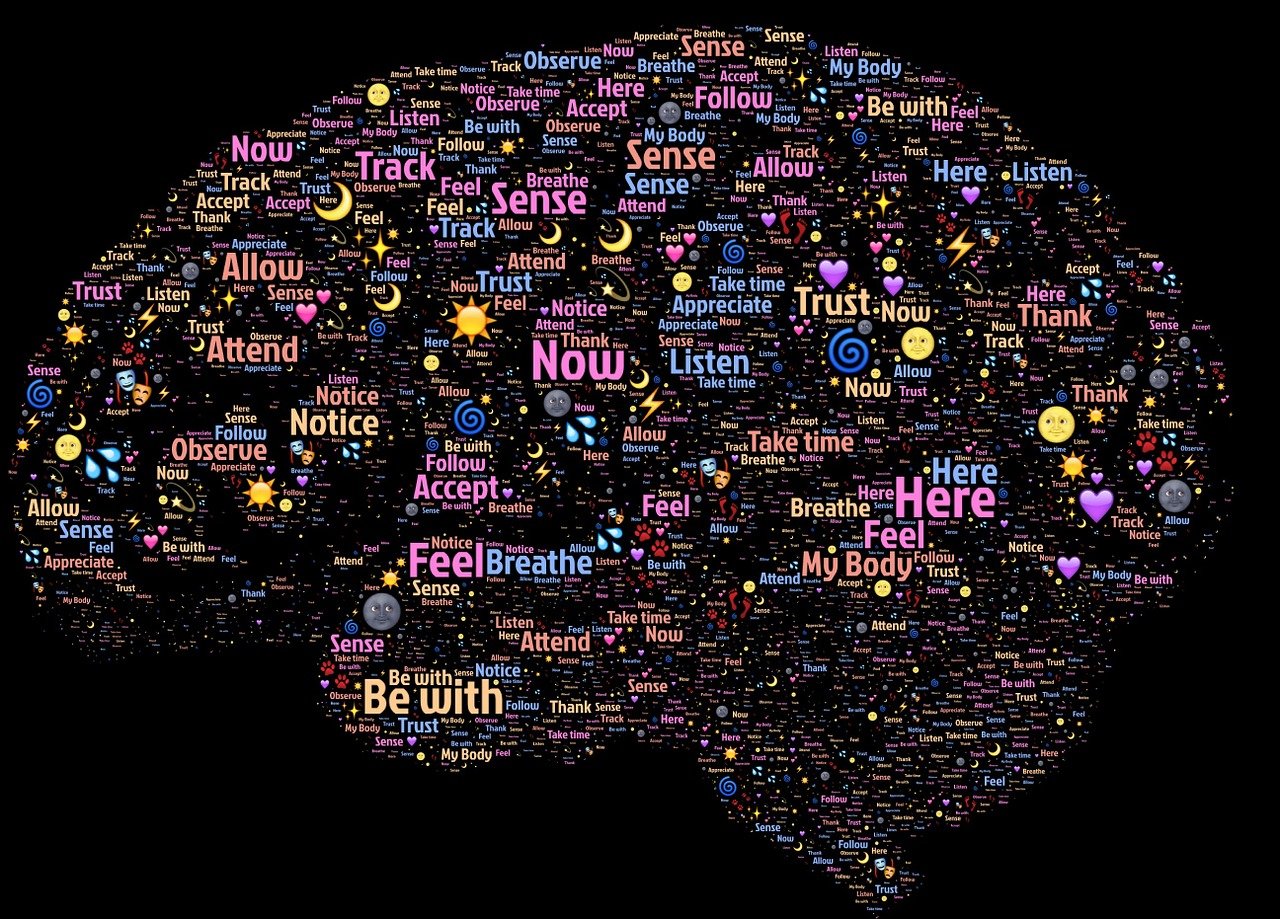

The Role of Neuroplasticity in Sports Training
Neuroplasticity refers to the brain’s remarkable ability to reorganize itself through forming new neural connections. In the context of sports training, this means athletes can enhance their performance by altering their brain function through deliberate practice. This capability not only underlies skill acquisition but also enables the nervous system to adapt to various physical and mental demands. Athletes can train their minds to improve focus, reduce anxiety, and enhance decision-making skills, ultimately boosting overall performance. Scientific research indicates that both mental and physical training can facilitate this neuroplastic change. Engaging in visualization techniques, practicing mindful movements, and repeating motor tasks consistently can facilitate effective neural changes. Furthermore, neuroplastic adaptations are not restricted to young athletes; they can occur at any age, thus offering a valuable training principle for seasoned sports enthusiasts. Emphasizing mental rehearsal and cognitive strategies alongside physical training may lead to improvements in technique and efficiency. This interdisciplinary approach holds significant potential for athletes aiming to elevate their game by understanding and leveraging their brain’s adaptive capabilities more effectively.
The impact of neuroplasticity on athletic performance extends beyond skill acquisition alone. Specific training regimens focusing on the mind can yield impressive results, especially in high-pressure situations. For instance, solid mental conditioning programs can help athletes manage stress and optimize their responses during competitions. Studies suggest that athletes who incorporate mental imagery and mindfulness techniques see improvements in their anxiety levels, focus, and overall performance. Visualization helps to activate the same brain regions responsible for physical execution of skills, effectively allowing athletes to practice in their minds. This mental practice can lead to muscle memory development without physical exertion, solidifying learned skills. Neuroplastic changes also enhance an athlete’s ability to cope with physical setbacks or injuries. During recovery, maintaining a positive mindset through cognitive exercises can stimulate the brain’s healing processes. As the connection between mind and body deepens, athletes become more resilient and adaptable to challenges, whether they are physical, technical, or emotional. Implementation of these strategies requires the collaboration of coaches and sports psychology professionals to ensure comprehensive training plans that address both mental and physical aspects of performance.
The Science Behind Neuroplasticity
Neuroplasticity is a complex phenomenon grounded in the brain’s ability to change and adapt. Research demonstrates that various factors, such as repetitive practice, enrichment, and even environmental changes, can trigger neuroplastic changes. This adaptability is fundamental for athletes as it underpins improving skills and physical performance. The process begins with learning; as athletes repetitively practice techniques, synapses strengthen, making new neural pathways more efficient. This reinforcement allows them to perform tasks with greater ease and precision over time. Moreover, studies using neuroimaging techniques have shown structural brain changes in athletes who engage in focused training programs. These changes often correlate with enhanced motor skills and cognitive function relevant to their respective sports. Importantly, neuroplasticity operates on the principle of use-it-or-lose-it; if certain pathways aren’t engaged regularly, they can weaken. Therefore, consistent training involving varied and challenging drills is vital to maintaining optimal brain function. Understanding these mechanisms empowers athletes to build effective training routines that enhance their physical abilities through mental engagement and adaptive neural processes, leading ultimately to greater success in their sports.
Moreover, integrating technology into training regimens can capitalize on the effects of neuroplasticity. Virtual reality (VR) and software-guided training programs have emerged as innovative tools for enhancing learning and performance. These technologies provide immersive training experiences that mimic actual competition environments, enabling athletes to practice mental focus and strategy without the physical strain. Additionally, wearable technology can track performance metrics, offering immediate feedback. Such data allows trainers and psychologists to adapt training specifically to the athlete’s needs, fostering optimal brain and body engagement. The flexibility offered by these advanced tools complements traditional athletic training methods, expanding possibilities for athletes. The synergy between technology and neuroplastic principles can lead to faster skill acquisition, quicker recovery from injuries, and heightened mental resilience. Athletes who embrace these innovative strategies gain a competitive edge while also fostering a safer and more effective training environment. As sports continue evolving, athletes are encouraged to embrace neuroplasticity-focused training methods, which yield long-term benefits in performance, mental strength, and healthy adaptation to athletic demands.
Practical Applications in Sports Training
Implementing neuroplasticity in sports training yields practical benefits that can enhance performance across various disciplines. Coaches can create structured programs that incorporate cognitive and physical training elements. For example, combining conventional strength training with mindfulness exercises can improve focus, reduce injuries, and aid in mental recovery. Athletes can also benefit from brainstorming sessions, where they share strategies and techniques to cultivate a supportive training environment. This collaboration reinforces learning by leveraging shared experiences and insights. Additionally, goal-setting is crucial; athletes should establish measurable and attainable goals that align with their training regimen. Breaking down larger goals promotes neuroplastic changes through regular achievements, enhancing motivation and persistence. In doing so, athletes engage in a cycle of continuous improvement as they reevaluate and adjust their training plans according to progress. Furthermore, encouraging recovery periods is paramount; downtime allows the brain to consolidate learning and form lasting neural connections. Balancing intense training with adequate recovery periods fosters sustainable athletic growth and avoids burnout, benefiting both physical and mental health as athletes perform at their best without risking injury.
Emotional resilience, a vital aspect of sports performance, can be developed through neuroplastic strategies as well. Emphasizing positive self-talk and reinforcing a growth mindset helps athletes cope with setbacks and disappointments. Techniques like journaling and affirmations encourage athletes to reflect on their experiences and build confidence over time. Cultivating a supportive community among team members further enhances mental resilience as they share challenges and celebrate victories together. Incorporating mental health education within training programs increases awareness of emotional well-being, allowing athletes to recognize and address their feelings effectively. By understanding the brain’s adaptive roles, athletes can develop greater self-awareness, which is essential for maintaining peak performance under pressure. Furthermore, they can leverage neuroplasticity’s principles to reshape negative thought patterns and reduce performance anxiety. Establishing routines that incorporate both physical and psychological training creates balanced athletes who can navigate competitive scenarios calmly and efficiently. By prioritizing mental fitness alongside physical conditioning, athletes not only improve their overall performance but also enhance their well-being, fostering longevity in their sports careers.
Conclusion: The Future of Neuroplasticity in Sports
The future of neuroplasticity in sports presents exciting opportunities for athletes and coaches alike. As research continues to unveil the intricacies of brain adaptation, innovative training methods can be further refined for optimal performance. The integration of neuroscience into athletic training goes beyond enhancing skills; it encompasses emotional and psychological growth. Coaches and sports professionals are increasingly encouraged to employ interdisciplinary approaches that include psychology, biology, and technology for holistic athlete development. This evolution creates a well-rounded training environment, ultimately leading to advancements in individual and team performance. As the understanding of neuroplasticity deepens, sports organizations may implement programs focusing specifically on mental conditioning, nutrition, and recovery. Athletes are likely to embrace these strategies, leading to heightened engagement and commitment. Additionally, ongoing advancements in VR and AI technology can facilitate customized training experiences tailored to individual needs, further transforming athletic training. Emphasizing neuroplasticity will undoubtedly shape the next era of sports, paving the way for peak performance, mental resilience, and improved overall wellness for athletes across all levels.
By recognizing the profound influence of the mind-body connection and neuroplasticity principles, the sports community can cultivate better practices. Athletes who embrace these techniques are better equipped to cope with the challenges of their discipline. This evolution represents not just a shift in training but a comprehensive rethinking of how athletes can achieve success. Together, a commitment to integrating neuroplastic concepts into training philosophies promotes a healthier, more productive athletic culture that nurtures mind and body simultaneously. The future is bright for athletes willing to adapt and evolve, indicating the potential for unprecedented levels of performance and fulfillment within the competitive landscape. With focused research and implementation, neuroplasticity will become a cornerstone of effective sports training strategies that prepare athletes for success in a rapidly changing world.