
Tracking Biomechanical Efficiency in Weightlifting Movements
Understanding how to track and analyze biomechanical efficiency is essential in weightlifting coaching. Coaches can significantly enhance performance and reduce injury risk by focusing on movement mechanics. When evaluating an athlete’s lift, various parameters are crucial. These parameters include body angles, joint movements, and force exerted during lifts. Effective coaching should involve gathering data through various methods, such as motion capture technology, wearable sensors, and video analysis. Motion capture systems offer precise measurement of movements, allowing for detailed insights into how efficiently a lift is executed. Wearable technology, including accelerometers and gyroscopes, provides additional data on movements in real-time. Video analysis can also serve as a useful tool, as it allows coaches and athletes to visually assess the dynamics of each lift. By observing lift mechanics through video feedback, coaches can provide immediate corrections and adjustments. Furthermore, maintaining open communication between athletes and coaches enhances the feedback process, leading to a more comprehensive understanding of biomechanical efficiency. Tracking improvements over time is crucial to measure the effectiveness of coaching methods. Coaches should set specific, measurable goals to assess progress effectively, ensuring that athletes remain engaged and motivated.
The Importance of Biomechanics in Weightlifting
Biomechanical analysis plays a pivotal role in understanding weightlifting performance. A solid grasp of biomechanics helps both athletes and coaches to maximize gains while minimizing the risk of injury. The biomechanics of weightlifting encapsulate not only the mechanics of individual lifts but how an athlete’s body interacts with the environment. This understanding allows the coach to identify optimal lifting techniques tailored to the unique strengths and weaknesses of individual athletes. Factors such as body proportion, physical ability, and experience level influence how a weightlifter moves. Coaches can design personalized training programs that focus on strengthening underperforming areas while enhancing strengths. By monitoring joint angles, lift speed, and center of mass, insights are gained that aid in refining training techniques. Moreover, this analysis helps in preventing common injuries associated with poor lifting techniques. Ensuring proper lifting form is maintained throughout training is essential for long-term physical health. Analyzing completed lifts also provides feedback that can lead to adjustments in technique that improve performance. Regular assessment is necessary as athletes evolve, and their biomechanics might change over time, necessitating adaptations in training strategies.
To further enhance coaching strategies, implementing technology is critical. Utilizing software and apps designed for analyzing lifts can streamline the feedback process. These tools allow for immediate feedback during training sessions and track progress over time. Coaches can create video repositories of athletes executing various lifts, enabling athletes to revisit their performances at their convenience. By utilizing technology to provide continuous feedback, athletes become more engaged in their improvement journey. Furthermore, by assessing biomechanical data alongside performance metrics like the amount of weight lifted, coaches can determine more effective training loads that align with the athlete’s capabilities. Engaging athletes through technology also encourages them to take ownership of their development and fosters accountability. Coaches can leverage athlete data to identify trends or disparities in strength and performance. Additionally, collaborating with sports scientists or physiotherapists can enrich the coaching experience and allow for interdisciplinary approaches in addressing biomechanical issues. Coaches should dedicate time for regular data analysis sessions, making adjustments to training methods based on the quantity and quality of collected information. This proactive approach not only sharpens performance but builds athletes’ understanding of their bodies and coaching principles.
Injury Prevention through Efficient Movement
One primary aim of tracking biomechanical efficiency is to enhance athlete safety and prevent injuries. Weightlifting, if performed incorrectly, poses significant risks; hence understanding the mechanics of each movement is detrimental to an athlete’s long-term health. Coaches should prioritize identifying risk factors associated with poor biomechanics. For instance, excessive forward lean during a squat can indicate a weak core, leading to potential back injuries. Recognizing such patterns allows coaches to adjust training exercises accordingly, strengthening the athlete’s foundational muscles. Furthermore, coaches must educate athletes about the importance of proper warm-ups and recovery strategies to complement biomechanical training. Implementing injury prevention exercises within the program can reinforce correct movement patterns and enhance overall strength. Techniques, such as flexibility training, core stability work, and strength conditioning, can be effective at countering injury risk. Additionally, the integration of physical therapy or physiotherapy principles can augment a coach’s expertise. Regular assessments can provide valuable insight into physical changes within athletes, leading to bespoke adjustments in their training plans. Engaging athletes in discussions about their bodies fosters awareness, empowering them to recognize signs of distress, ultimately benefiting their performance and longevity in the sport.
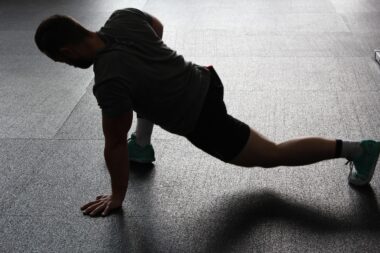
Another significant aspect integrated into tracking biomechanical efficiency in weightlifting is functional movement screening. Conducting initial fitness assessments is fundamental in establishing an athlete’s baseline movement capabilities. By analyzing how a coach analyzes varied movements, they can detect restrictions or asymmetries affecting performance. Screening protocols often include squats, lunges, and push-ups, providing essential data on mobility, stability, and endurance. Addressing identified limitations early in the training process can lead to more comprehensive development. Once completed, coaches can tailor individualized programs that focus specifically on improving functional movements. Implementing progressive overload techniques on these foundational exercises promotes solid performance adaptations. All functional movements must align with the athlete’s specific weightlifting goals, as this consideration ensures focused training. Regular follow-ups with screening assessments maintain awareness regarding any developing issues or new limitations. This monitoring contributes to informing how training adjustments are made over time. By continuously revisiting assessments, coaches ensure methods remain aligned with the evolving capabilities of their athletes. Furthermore, athlete engagement deepens as they witness their functional progress, making them more invested in their training journeys and outcomes.
Conclusion: The Path Forward
Tracking biomechanical efficiency in weightlifting movements is an essential part of optimizing both performance and injury prevention. Coaches must embrace data-driven practices to support their athletes in achieving higher levels of performance. The continuing advances in technology empower coaches to deliver better feedback, monitor progress, and enhance training regimes. Continuous education is crucial for coaches to stay informed of the latest biomechanics research trends, making them adaptable to new information. Developing a collaborative relationship with athletes, grounded in trust and openness, strengthens the coaching dynamic. As athletes appreciate their development’s scientific basis, they cultivate investment in their progress. Building a strong foundation in functional movement while combining it with advanced performance analysis provides an effective roadmap for success. Coaches and athletes together can forge a unique training approach that leads to outstanding results. Biomechanical assessments not only enrich training quality but also promote confidence within athletes. Knowing how their movements impact their performance can motivate athletes toward their highest potential. Ultimately, prioritizing biomechanical efficiency through habit-forming practice will revolutionize weightlifting coaching by ensuring athletes perform at their very best while minimizing injury risks.
In conclusion, integrating biomechanical efficiency into weightlifting coaching is a vital investment. Coaches and athletes both stand to benefit from a comprehensive understanding of how movements are made. As these practices continue to evolve, the relationship between technology and coaching will only strengthen. Remaining abreast of trends and developments within the sports science field is key to a forward-thinking coaching approach. Each athlete presents unique challenges, and understanding the biomechanics helps coaches to tailor their methods effectively. Working together to track and assess performance enables athletes and coaches to refine their strategies continually. Respecting the individuality of each athlete and their biomechanics focuses training to yield optimal results. Insights from biomechanical analysis pave the way for sustained progress and innovation within the sport. Realistically, injuries may still occur; however, fostering an environment of awareness, understanding, and learning mitigates this risk. Coaches must encourage athletes to remain engaged with their fitness and biomechanics continually. Regular feedback and incorporation of technology can enhance the overall coaching experience as athletes progress. Finally, a dedication to mastering biomechanical efficiency is revolutionary, converting weightlifting into a disciplined art form that not only celebrates strength but also resilience and knowledge.