
Enhancing Team Cohesion Through Effective Communication in Sports
Effective communication serves as a cornerstone for team cohesion, particularly in sports where collaboration is essential for success. Athletes must understand the importance of clear messaging both on and off the playing field. Open dialogue fosters an environment of trust, thereby allowing team members to express themselves without fear of judgment. This can lead to faster problem resolution and improved performance overall. Coaches play a pivotal role in guiding athletes toward mastering effective communication skills. They can do this by organizing team meetings to discuss strategies, set clear goals, and establish expectations for communication protocols. Additionally, tailored workshops can enhance individual and group communication techniques, further solidifying the bonds between athletes. Creating a safe space for sharing ideas, both constructive and critical, enables team members to collaborate effectively, leading to improved understanding and support. Furthermore, practicing active listening is essential as it ensures that each athlete feels valued. Empathy in communication also contributes to a stronger team ethos, allowing for deeper connections among teammates, which ultimately translates into better teamwork during competitions.
It is critical for athletes to develop specific communication skills that enhance their teamwork capabilities. These skills include verbal and non-verbal communication, listening, and feedback. Verbal communication encompasses the ability to articulate thoughts clearly and confidently during practice and competition. Similarly, non-verbal cues such as body language, facial expressions, and gestures also convey important messages that can influence team dynamics. Athletes should also refine their listening abilities, as this fosters mutual respect among teammates. When athletes practice active listening, they open the door to understanding the perspectives and emotions of their peers. Furthermore, fostering a culture of constructive feedback enhances team functionality and individual growth. The feedback loop is vital for any team setting, allowing athletes to discuss performance areas, giving and receiving constructive criticism, and celebrating successes. Coaches can implement a structured feedback system during practices, creating a routine where athletes feel encouraged to share their observations. This not only strengthens relationships but also cultivates a mindset focused on continuous improvement, allowing teams to progress and adapt throughout the season.
The Role of Coaches in Facilitating Communication
Coaches play a pivotal role in bridging communication gaps within teams. Their leadership skills and ability to foster an inclusive environment significantly impact team dynamics. Effective coaching involves actively promoting transparent and honest communication channels among athletes. Coaches must model the behaviors they wish to instill by engaging in open dialogues and encouraging feedback from players. Meetings should focus on both logistical details and emotional concerns, allowing athletes to voice their thoughts freely. Implementing team-building exercises that focus on communication skills can help athletes develop essential interpersonal relationships. Coaches must also remain open to adapting communication methods based on individual athlete preferences and varying team circumstances. Utilizing various media for communication, such as written messages, verbal discussions, and technology platforms, can cater to diverse communication styles among athletes. Furthermore, taking the time to listen attentively to players fosters a sense of belonging and inclusion. Consequently, athletes are far more likely to engage earnestly with their teammates and coaches, fostering a tighter-knit team environment committed to shared success and collective improvement.
Moreover, incorporating communication drills during training can serve to enhance the communication skills of athletes in practical scenarios. These drills could include tasks that require teamwork, coordination, and clear instructions to complete a specific objective. For example, a common exercise is the ‘Blindfolded Obstacle Course’ where one athlete is blindfolded, and teammates must guide them through verbal instructions alone. This not only enhances verbal communication skills but also builds trust among team members, as they rely on one another for success. Emphasizing non-verbal cues is another vital aspect of communication in sports. Athletes can experiment with using hand signals or other gestures to convey messages during gameplay without alerting opponents. Regularly practicing these communication-based drills encourages athletes to adapt quickly and efficiently under pressure. Additionally, debriefing after training sessions allows teams to reflect and discus areas for improvement in communication, enhancing team dynamics. These training exercises incentivize athletes to continuously evaluate their performance and communication styles while working as a cohesive unit, ultimately translating their developed skills into competitive scenarios.
Building Trust Through Communication
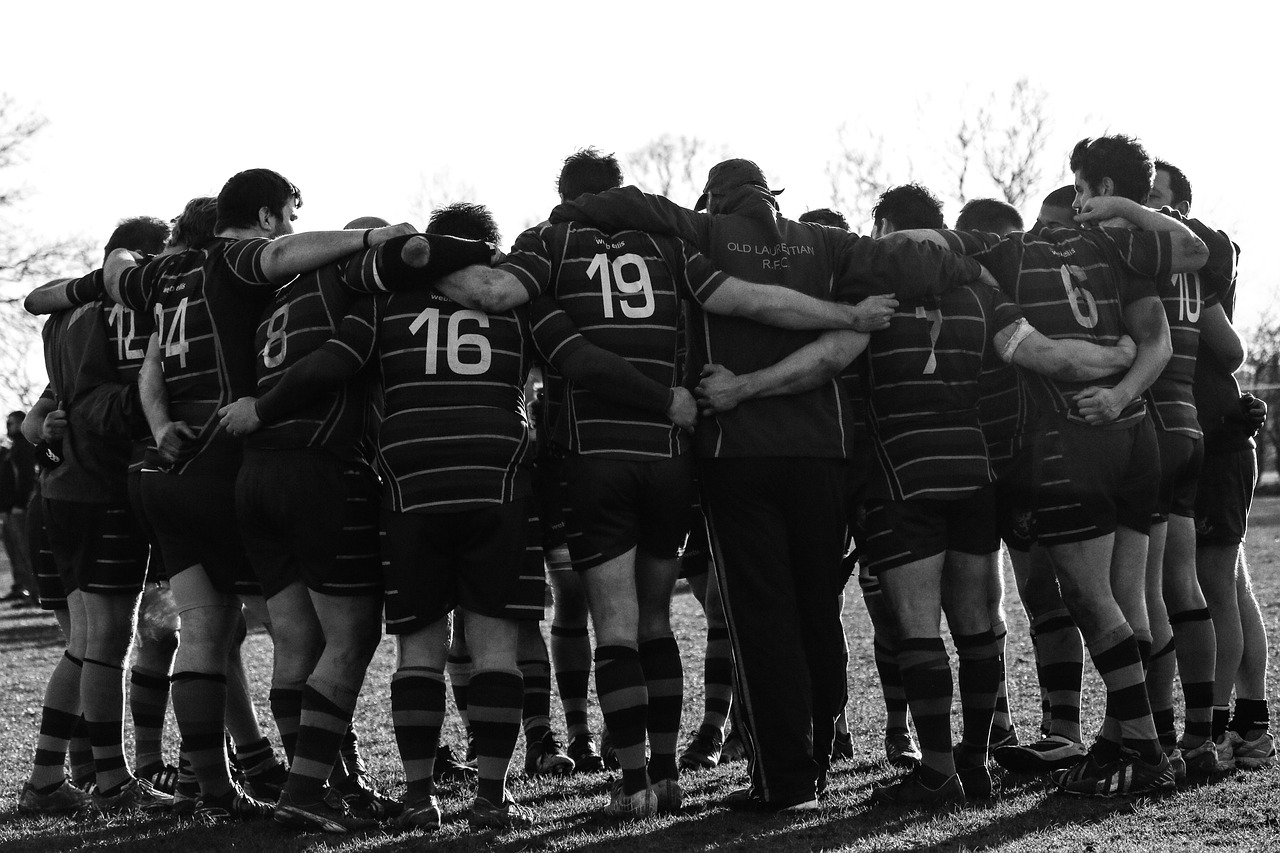
Trust is foundational to effective communication in sports. When team members trust one another, they are more likely to communicate openly and engage positively. To build trust, athletes must practice vulnerability by sharing their thoughts and concerns with one another. Vulnerability can be intimidating, yet it is essential for building deeper bonds within the team. Encouraging discussions surrounding personal challenges can also lead to breakthroughs in trust-building among teammates. Developing rituals, such as pre-game meetings or team huddles, can enhance collective understanding and reinforce unity among team members. Regularly highlighting teammates’ contributions fosters an atmosphere of appreciation and respect, leading to deeper interpersonal connections. Moreover, acknowledging achievements, both minor and major, enhances motivation and commitment among athletes. Coaches should celebrate the milestones achieved through effective communication, such as successful plays. Creating a culture where athletes feel comfortable expressing themselves without fear of negative repercussions builds trust over time. Trust empowers athletes to be authentic in their communications and increases the likelihood of them resolving conflicts creatively, ensuring overall team cohesion remains robust.
In addition to personal relationships, effective communication aids in conflict resolution within the team. Conflicts are inevitable in any collaborative setting, particularly in high-stress environments such as sports. Communication skills provide athletes with the tools to address conflicts constructively before they escalate. Encouraging team members to discuss issues openly helps identify the root causes of conflicts and enables players to arrive at mutual agreements. Coaches can facilitate this process by teaching athletes to use ‘I’ statements when expressing feelings, which can reduce defensiveness. For example, saying “I feel frustrated when…” rather than assigning blame helps create a more productive dialogue. Additionally, mediation techniques can be employed by coaches to bring clarity and facilitate discussions when conflicts arise. Teams that invest in building effective communication strategies improve their capacity to navigate disagreements seamlessly. Consequently, establishing a robust conflict resolution protocol strengthens team cohesion, maintaining focus on shared goals. Overall, communicating effectively not only prevents misunderstandings but ultimately promotes a healthier, more resilient team environment.
Evaluating Communication Effectiveness
Finally, it is critical for teams to evaluate their communication practices regularly. Conducting surveys or feedback sessions can help assess the effectiveness of communication within the team. This evaluation process ensures that every member feels heard and valued. Collecting anonymous feedback allows athletes to share their thoughts candidly and promotes a culture of honesty. After gathering insights, teams can identify areas such as clarity, openness, and engagement that might require improvement. Setting specific communication goals during training can also enhance focus and performance. For instance, a team might decide to implement a new feedback system that encourages constant dialogue during practices. As the season progresses, athletes can periodically revisit these goals and evaluate their adherence to them. Understanding the impact of communication on team dynamics directly influences overall performance outcomes. Thus, well-evaluated communication strategies result in continuous growth and adaptability of teams. As teams navigate challenges and celebrate successes, the ongoing development of communication skills plays an essential role in ensuring that cohesion remains strong, ultimately contributing to the overall success of the team.
In conclusion, effective communication is integral to enhancing team cohesion in sports. Athletes must recognize and harness various communication skills to foster an environment of trust and collaboration. Each team member’s ability to articulate their thoughts and listen to others can significantly impact overall performance, building stronger interpersonal relationships along the way. Coaches play a vital role in facilitating communication processes, guiding athletes in developing their skills and promoting a culture of openness. By implementing communication drills and evaluating practices regularly, teams can equip themselves with the necessary tools to navigate the complexities of competitive sports. The bonds built through trust, vulnerability, and teamwork ultimately culminate in a cohesive unit ready to tackle challenges together. Furthermore, utilizing conflict resolution strategies effectively ensures that disagreements do not hinder the shared goals of the team. Every athlete plays a part in fostering effective communication, which is pivotal for achieving long-term success. In summary, prioritizing communication skills in sports leads to stronger, more cohesive teams that are capable of reaching their fullest potential.


