How to Reduce Muscle Soreness with Calisthenics Cool-down Practices
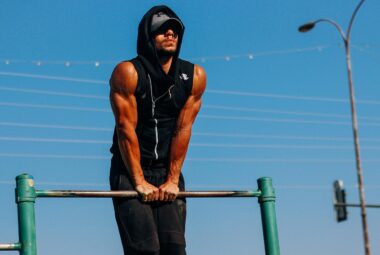
Calisthenics is an effective way to build strength and flexibility using body weight. However, after a rigorous workout, muscle soreness can occur. Implementing cool-down techniques is essential in reducing soreness and promoting recovery. Cool-down exercises help your body transition back to its resting state, maintain flexibility, and reduce the risk of injury. Dynamic stretches and gentle movements enhance blood flow to muscles, alleviating soreness. Additionally, breathing exercises are vital in enhancing oxygen delivery to muscles, contributing to quicker recovery. Soreness arises from lactic acid buildup during intense workouts, and cooling down helps to flush out these toxins. Simple static stretches targeting major muscle groups can empower muscle relaxation. For instance, holding hamstring stretches or gentle upper body stretches can promote overall relief. Some individuals might also consider active recovery, incorporating low-intensity activities post-workout. Cool-down practices are not mere formalities; they are integral parts of your fitness routine. Knowing how to effectively cool down will elevate your overall performance, leading to better results. Therefore, ensuring you establish a proper cool-down routine is crucial as it directly impacts your next workout day.
The Importance of Static Stretching
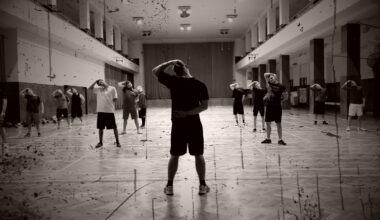
Static stretching is one of the most effective practices during the cool-down period following calisthenics. This method involves holding a stretch for a certain duration, typically between 15 and 60 seconds. It enhances flexibility, allowing the muscles and tendons to lengthen, promoting optimal blood flow and mobility post-exercise. When you involve static stretches, you not only facilitate muscle repair but also alleviate tension accumulated during your workout. Popular static stretches include the quadriceps stretch, seated forward fold, and the butterfly stretch. By implementing these stretches, you can target specific muscle groups thoroughly, ensuring a balanced recovery. Furthermore, integrating deep breathing techniques while performing static stretches aids in relaxation, reducing mental stress. To execute a proper cooldown routine, consider incorporating stretches that address your training focus. For instance, if you performed a lot of upper body exercises, prioritize arm and shoulder stretches. Maintain awareness of your body, avoiding any stretches that cause discomfort. Always listen to your body signals; this process ensures you are not overstretching or risking injury, leading to an effective recovery for optimal performance in future workouts.
A common misconception among fitness enthusiasts is that cooling down isn’t necessary if you’re not feeling sore. However, skipping the cooldown can lead to prolonged recovery times, making subsequent workouts challenging. Cooling down properly helps to prevent stiffness and maintains muscle flexibility necessary for effective movement. Not only does it reduce muscle soreness, but it also helps maintain a healthy range of motion. Without a proper cooldown, the muscles can remain tense, leading to discomfort and even injury. Implement a structured cooldown routine that includes a mix of stretching and gentle movements. Consider engaging in light walking or low-intensity activities to encourage active recovery, which can ease muscle tension. Moreover, recovery resources, such as foam rollers, can assist in releasing muscle knots and improving circulation. By regularly practicing cooldown techniques, you create a habit that emphasizes your overall fitness and well-being. Prioritizing cooldown practices also reflects a higher level of commitment to your workout regimen. Ultimately, this thoughtful approach pays dividends in long-term performance levels, elevating your fitness journey and enhancing consistency in achieving your strength-training goals.
Incorporating Breathing Techniques
Breath control during cooldown is essential; understanding how to harness this energy can significantly enhance recovery. By focusing on deep diaphragmatic breathing, you can actively reduce stress levels and promote relaxation. This method encourages optimal oxygen intake, which is crucial for muscle recovery post-workout. When cooling down, aim for a slow inhale through the nose and exhale through the mouth. Ideally, participants should practice elongated, controlled breaths while performing stretching routines. It can actively diminish cortisol levels and create an efficient relaxation response in your body. Additionally, pairing breathing techniques with visualization can be an excellent practice. Imagine your muscles relaxing and healing as you cool down; this mental exercise can elevate your physical response. Many find that incorporating Zen-like mindfulness helps foster a comprehensive cooldown experience. Furthermore, consider joining a guided session or using meditation apps that provide breath patterns, enhancing your overall cooldown strategy. Always ensure you allocate an ample amount of time for this practice; dedicating at least 5-10 minutes can significantly enhance recovery. With mindful breathing, you empower both your mental and physical states, preparing your body for the next workout.
Hydration plays a also vital role in effective cooldowns. After intensive calisthenics, restoring fluid levels in your body can greatly impact recovery outcomes. Dehydration can lead to cramping, prolonged soreness, and decreased performance in future sessions. As part of your cooldown routine, integrate hydration strategies by consuming water or electrolyte beverages. The recommended guideline is to consume around 16-20 ounces of fluids post-exercise, making this essential for muscle recovery and general well-being. However, you may reconsider your performance intensity; if you experienced excessive sweating, consider increasing your fluid intake. Monitoring hydration levels throughout your workout is also imperative. Dehydration can worsen post-exercise soreness, highlighting the need for proactive measures. Adding hydrating foods into your diet, such as fruits and vegetables, can also contribute to overall fluid intake. Furthermore, keeping a water bottle nearby during both workouts and cooldowns can encourage consistent hydration habits. By being mindful of your hydration strategies, you reinforce the importance of recovery and well-being. This practice will directly influence your training performance and can even enhance your overall agility and energy for future workouts.
Understanding Muscle Recovery
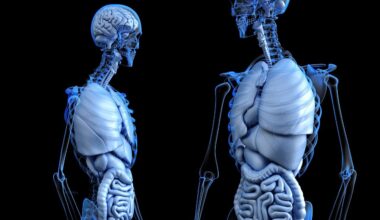
Muscle recovery is a critical aspect of any fitness journey, especially in calisthenics. Understanding the recovery process ensures that you can effectively balance your workout and rest periods. Remember, muscles experience micro-tears during workouts, which need time and specific practices to repair. Providing your body with adequate recovery strategies like cooldown techniques ensures muscles can rebuild effectively. Sleep also plays a foundational role in recovery; prioritizing restorative sleep will enhance muscle healing. In addition to sleep, consider incorporating nutrition into your recovery regime. Consuming protein post-workout can stimulate muscle repair and growth effectively. Healthy options include chicken, legumes, and protein shakes. Ensure your diet comprises balanced macronutrients to support recovery efforts. It’s also vital to monitor your body’s recovery status; burnouts can occur when too much workout intensity is applied without adequate recovery. Utilizing methods like foam rolling and massage can further improve circulation and reduce soreness. Emphasizing rest days is also beneficial; allowing yourself time off from intensive performance will reinvigorate your motivation and energy. With all these methods combined, muscle recovery becomes not only essential but also a rewarding part of your fitness endeavors.
In conclusion, integrating effective cool-down techniques within calisthenics workouts is essential for reducing muscle soreness and enhancing recovery. The practices discussed here—from static stretching to controlled breathing—provide critical tools for ensuring your muscles are ready for your next workout. As fitness enthusiasts, cultivating awareness of recovery techniques creates a holistic approach to training. Soreness is an inevitable part of becoming stronger, but by developing a comprehensive cooldown strategy, you manage to ease this discomfort. Incorporating hydration and the knowledge of muscle recovery further enhances performance levels, making every workout count. Therefore, take the time to commit to your cooldown practices; the strong foundation they build ensures you can avoid injury and maximize gains. Remember that every component discussed in this article contributes significantly to your overall fitness journey. Develop specific routines that align with your goals, and maintain consistency to see ideal results. Your body will undoubtedly thank you during your next training sessions. Consistently applying these cooldown practices will boost your confidence in your fitness abilities and enhance your overall performance prowess in calisthenics.
Calisthenics is an effective way to build strength and flexibility using body weight. However, after a rigorous workout, muscle soreness can occur. Implementing cool-down techniques is essential in reducing soreness and promoting recovery. Cool-down exercises help your body transition back to its resting state, maintain flexibility, and reduce the risk of injury. Dynamic stretches and gentle movements enhance blood flow to muscles, alleviating soreness. Additionally, breathing exercises are vital in enhancing oxygen delivery to muscles, contributing to quicker recovery. Soreness arises from lactic acid buildup during intense workouts, and cooling down helps to flush out these toxins. Simple static stretches targeting major muscle groups can empower muscle relaxation. For instance, holding hamstring stretches or gentle upper body stretches can promote overall relief. Some individuals might also consider active recovery, incorporating low-intensity activities post-workout. Cool-down practices are not mere formalities; they are integral parts of your fitness routine. Knowing how to effectively cool down will elevate your overall performance, leading to better results. Therefore, ensuring you establish a proper cool-down routine is crucial as it directly impacts your next workout day.