
Senior Fitness: Safe Stretching Techniques to Prevent Injuries
As we age, maintaining our physical fitness becomes increasingly important. One of the essential components of a fitness regime for seniors is stretching. Safe stretching can enhance flexibility, reduce stiffness, and prevent injuries. However, it’s vital to approach these routines with care. Seniors should ensure they engage in stretches that are appropriate for their fitness levels. Start by consulting a healthcare provider or a physical therapist to gain insights into safe exercises tailored to individual needs. Understanding one’s limitations is crucial. Gentle stretches focus on maintaining range of motion without straining muscles. Incorporating basic methods like neck stretches, shoulder rolls, and hamstring stretches can lead to a more comfortable body. It’s advisable to perform stretching exercises regularly, aiming for at least two to three times a week. Furthermore, staying cognizant of breathing is beneficial. Inhale deeply as you prepare to stretch and exhale as you ease into the stretch. This rhythmic approach fosters relaxation and maximizes benefits.
Benefits of Stretching for Seniors
Stretching offers numerous advantages for seniors, bolstering both physical and mental well-being. It helps improve blood circulation, which is crucial in maintaining heart health, particularly as individuals age. By promoting flexibility, seniors can reduce their risk of falls — a common concern among older adults. Moreover, stretching alleviates tension in muscles and improves posture. Enhanced posture leads to decreased strain on the spine, which can result in a more comfortable daily experience. Furthermore, incorporating stretching routines into your lifestyle can mitigate arthritis symptoms by maintaining joint function. Stretching also stimulates the release of endorphins, which can improve mood and decrease feelings of anxiety and depression. Seniors participating in regular stretching activities report feeling more energized and optimistic. These positive feelings contribute to an overall better quality of life. To reap these benefits, it’s crucial to engage in stretching gently and consistently. Tailoring a stretching program to accommodate individual capabilities ensures a sustainable routine. When performed safely, seniors can enjoy a sense of accomplishment and improved self-efficacy as they navigate their fitness journey.
Establishing a stretching routine involves understanding when and how to perform these movements. It’s best to incorporate stretching into your daily activities, such as before or after exercise. Warm-up exercises can greatly complement stretching routines. For example, simple walking or light movements can prepare muscles, making stretching more effective. Always listen to your body; if something feels uncomfortable, it’s best to avoid that stretch. Consider using resources like local community classes or online videos designed for older adults. Many organizations offer classes specifically tailored to senior fitness, including stretching techniques. Additionally, being consistent with your stretching routine is vital; it translates to tangible results over time. Consistency encourages progression in flexibility and mobility, which is particularly critical for seniors. Establishing a specific time each day can help create a habitual routine. For example, stretching right after waking up can be a refreshing way to start the day. Utilize props like stretch bands or yoga blocks as aids if needed. They can assist in achieving the desired stretch without overexertion. With commitment and patience, stretching can become a cherished part of your daily routine.
Common Stretching Techniques
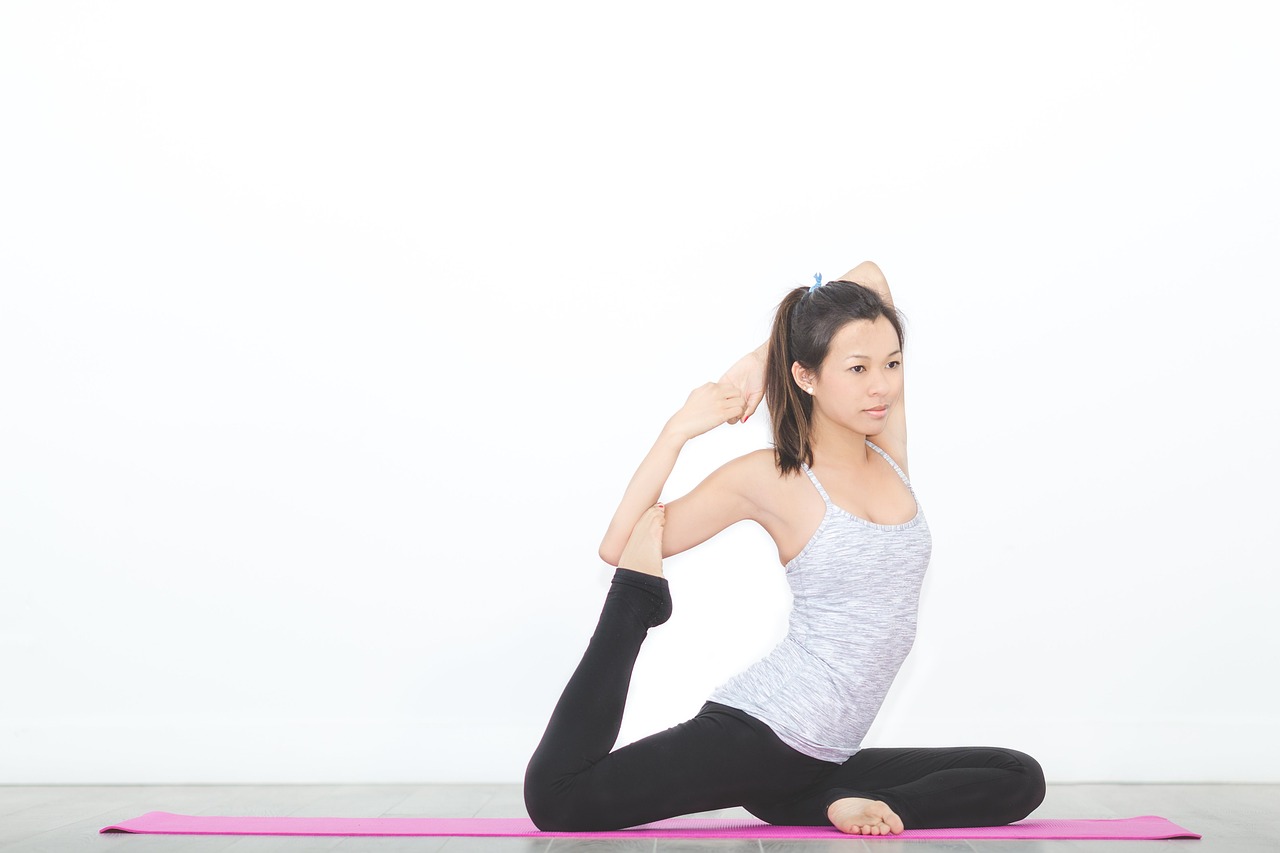
There are several effective stretching techniques that seniors can safely incorporate into their fitness routine. Some popular options include static stretching and dynamic stretching. Static stretches involve gently elongating a muscle to improve flexibility. This means holding a position for around 15-30 seconds, such as a seated forward bend for the hamstrings. Alternatively, dynamic stretches involve moving parts of your body through a full range of motion. This might include arm circles or leg swings. Another effective technique is the use of the standing quadricep stretch. Simply hold onto a wall or chair for support, bend one knee to your backside, and grasp your ankle for a deep stretch. This promotes hip flexibility and balance. A gentle shoulder stretch can be accomplished by reaching one arm across the body and pulling it closer with the opposite hand. Each technique can be modified based on one’s comfort level and physical capabilities. It’s free from strain, yet highly beneficial. Finding a comfortable yet effective routine ensures that stretching is enjoyable and rewarding.
For seniors who may face mobility challenges, gentle seated stretches can provide immense benefits. By incorporating stretches that can be performed while sitting, seniors can experience a safer yet effective routine. An example includes the seated hamstring stretch, where you extend one leg while seated and gently lean forward. This promotes flexibility without excess strain on the joints. Similarly, the seated torso twist enhances spinal mobility while remaining seated. It is effective in relieving tension in the lower back and shoulders and can easily be integrated into daily activities. Additionally, seniors can significantly benefit from deep breathing exercises while performing seated stretches. Breathing deeply during stretches enhances oxygen flow, improving effectiveness. Select a comfortable chair and wear loose clothing for maximum ease. Creating an inviting environment encourages seniors to dedicate time to their stretching routines. Moreover, using visual cues or reminders can improve adherence to regular stretching programs. A calendar hanging on a wall can serve as a visual motivator, prompting daily practice. Encouraging seniors to set short-term achievable goals fosters a sense of accomplishment within their stretching journey.
Safety Tips While Stretching
Safety is paramount when seniors engage in stretching exercises. First and foremost, it’s essential to warm up. Warming up prepares the muscles, reducing the risk of injury during stretching. Additionally, always consult with a certified fitness instructor or health provider before starting new routines or when introducing any unfamiliar stretches. They can provide invaluable guidance specific to individual health conditions. Moreover, seniors should stay hydrated throughout the stretching process. Dehydration can lead to muscle cramps and impede flexibility. As a result, drinking water before and after sessions is beneficial. Focus on maintaining a slow and controlled pace when performing stretches. Rapid movements can increase the risk of injury, leading to soreness or strain. It’s vital to prioritize proper posture and alignment during stretching, ensuring each motion offers maximum benefit. Consider keeping a stretching journal to track which stretches feel best and any sensations experienced. A stretching journal can provide insights into progress and highlight areas needing more attention. Ensuring each stretching session is conducted in a safe and nurturing environment allows seniors to practice with confidence and comfort.
Incorporating stretching into your daily routine can be a transformative experience for seniors. Regular practice leads to gradual but significant improvements in flexibility and overall comfort. As seniors embrace these safe stretching techniques, they may notice increased energy levels and decreased discomfort in daily activities. Staying consistent is vital in achieving tangible results. Additionally, finding a community or class to practice with can provide motivation and enjoyment. Engaging with others fosters a sense of camaraderie and accountability, which can lead to long-term adherence to fitness regimes. Embrace the idea of stretching as not merely an exercise but as an essential self-care practice. Consider documenting progress, noting any pain relief or increased mobility achieved over time. This reflection often becomes encouraging, assuring seniors of their capabilities and achievements. Importantly, remain patient; improvement takes time and effort. Lastly, exploring various stretching techniques can keep routines fresh and exciting. Discovering new stretches or routines can reignite enthusiasm and maintain engagement. For more comprehensive resources on senior fitness programs, consult reputable online platforms or community centers. Overall, safe stretching habits provide invaluable health, joy, and mobility benefits.