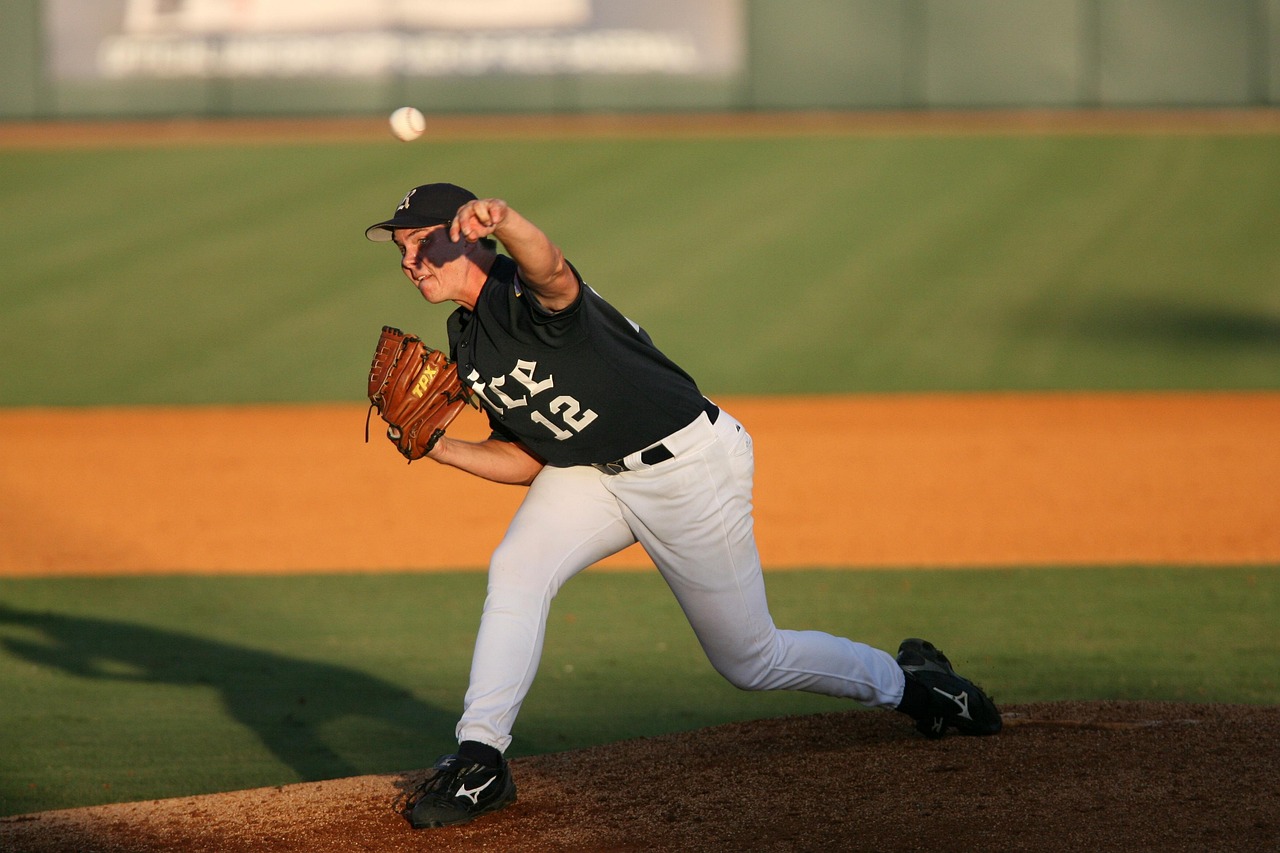

Strength and Conditioning Programs for Baseball Athletes
Strength and conditioning programs are essential for baseball athletes aiming to enhance their performance. These tailored programs focus on improving various physical attributes, such as strength, speed, agility, and endurance. Implementing a well-structured strength and conditioning plan not only helps athletes excel in their game but also minimizes injury risks. Athletes are guided to work on their core stability, flexibility, and overall strength through a combination of weight training, resistance exercises, and functional movements. This comprehensive approach in training leads to improved on-field performance when executing skills such as pitching, hitting, and fielding. Basic components of these programs usually include strength training, cardiovascular conditioning, and flexibility exercises. Education about proper nutrition and recovery techniques is equally important as they directly influence an athlete’s performance and longevity in the sport. Additionally, incorporating sport-specific drills is essential for the development of motor skills unique to baseball. In summary, a strategic strength and conditioning program tailored specifically for baseball can provide athletes with a multitude of benefits, significantly enhancing both their performance levels and their physical health throughout their careers.
The Importance of Strength Training
Strength training is a cornerstone of any successful strength and conditioning program designed for baseball athletes. It plays a vital role in improving muscle power, which is critical in executing baseball movements effectively. Engaging in a proper strength training regimen enhances muscle strength and facilitates faster recovery, allowing athletes to fine-tune their skills without experiencing prolonged fatigue. Resistance exercises often include various weightlifting techniques, bodyweight exercises, and plyometrics tailored to the athlete’s experience level. By focusing on major muscle groups essential for baseball, athletes can develop the power needed for explosive movements, such as running, swinging a bat, and throwing. It is important to incorporate a variety of exercises targeting both upper and lower body muscles. Furthermore, different training modalities, such as Olympic lifts and stability training, can be beneficial in promoting functional strength specific to baseball. Coaches should monitor muscular imbalances and adjust routines accordingly to ensure a balanced development. Safety should always be prioritized, ensuring all athletes use proper technique to reduce the risk of injury. Strength training, when done consistently and thoughtfully, will prove integral in maximizing performance and longevity as a baseball player.
Conditioning encompasses cardiovascular and anaerobic workouts, which are essential for achieving optimal performance in baseball. These workouts allow players to maintain high levels of energy throughout games, particularly given the high-intensity bursts typical of baseball. Conditioning exercises focus on endurance, agility, and speed, all critical components when competing in this sport. A combination of sprinting drills, interval training, and agility drills helps athletes boost their overall conditioning. Athletes should also incorporate time-efficient methods like circuit training, which improves both strength and cardiovascular endurance simultaneously. Notably, maintaining conditioning throughout the season can often be challenging, as baseball schedules can be demanding. Thus, athletes need to follow a well-rounded conditioning program, making necessary adaptations throughout the season to cater to their evolving fitness levels. Blood flow regulation, heart rate performance, and energy efficiency all benefit from an effective conditioning regimen. Athletes can expect improvements in speed when on the base paths and when covering ground in the outfield. Therefore, conditioning serves as a linchpin for baseball performance, directly enhancing players’ abilities to execute complex skills in pressure situations while also contributing to overall athletic development.
Incorporating Flexibility and Mobility
Flexibility and mobility training play a vital role in any strength and conditioning program for baseball athletes. Increasing flexibility not only aids in enhancing overall performance but is also crucial in preventing injuries, especially those associated with overexertion and repetitive movements in baseball. Incorporating dynamic stretching into the warm-up routine can activate key muscle groups, improving range of motion and preparing the body for activity. Furthermore, static stretching and mobility exercises can be practiced post-training to aid recovery and enhance flexibility. Coaches should emphasize exercises that develop hip, shoulder, and thoracic spine mobility, as these areas significantly impact a player’s motion efficiency. Regularly integrating yoga or Pilates into training routines can provide both flexibility work and core stability, promoting balance and control. Additionally, using foam rollers and other recovery techniques helps further enhance muscle flexibility and reduce soreness. Equipped with increased flexibility, baseball players will notice improved performance during pitching, hitting, and fielding. Flexibility can also improve an athlete’s overall comfort and body awareness during movement, allowing for a greater range of catching and throwing motions essential to the game.
Nutrition is an integral component when developing strength and conditioning programs for baseball athletes. Having a strategy for nutritional intake supports the intense training and competition that baseball players undergo regularly. Proper hydration is paramount as it directly impacts athletic performance and recovery. Players should monitor fluid intake before, during, and after workouts or games to maintain optimal hydration levels. In addition to hydration, focusing on a diet rich in proteins, complex carbohydrates, and healthy fats fosters muscle recovery and energy quality. Nutrition should be shown to enhance overall health and performance, elevating athletes to their peak state. Meal timing and quality are equally important, so eating nutrient-dense meals around training and game times can ensure energy sourcing. Emphasizing antioxidants through fruits and vegetables assists in combating oxidative stress. Creating a tailored plan based on an individual athlete’s needs is beneficial, as each player may require different adjustments in macronutrient distribution to meet their demands. Therefore, guiding athletes on robust nutritional strategies will fortify the effectiveness of strength and conditioning programs, ultimately leading to improved performance on the baseball field.
Periodization in Training
Effective strength and conditioning programs for baseball athletes should incorporate the principle of periodization. This involves planning training phases designed to peak at the appropriate time, typically coinciding with competition periods. By cycling through phases of intensity and volume, athletes can ensure they are adequately prepared for the demands of the season. These phases include preparatory, hypertrophy, strength, power, and competition phases, each focusing on specific outcomes tailored to an athlete’s progress. Implementing periodization allows for adjustments in program variables, reducing the risk of burnout and injury throughout demanding schedules. Monitoring an athlete’s performance throughout these phases is crucial for making necessary modifications. Coaches can utilize various testing methods, including strength tests, speed drills, and fatigue assessments, to evaluate current fitness levels. Additionally, allowing sufficient recovery between training sessions ensures that athletes remain fresh and motivated, essential for long-term adherence. By adopting periodization strategies, baseball athletes can maximize their development and improve performance levels more effectively. The thoughtful implementation of this strategic approach is the key to a successful strength and conditioning program that yields desirable results.
Recovery is often overlooked in strength and conditioning programs for baseball athletes, yet it remains just as important as training. Without proper recovery techniques and strategies, athletes risk long-term injuries and performance decline. Effective recovery encompasses adequate sleep, nutrition, hydration, and active recovery sessions. Players must prioritize sleep hygiene and aim for quality rest to allow physical and mental recovery. Nutrition post-training should focus on replenishing lost energy and repairing muscle tissue. Incorporating methods such as contrast therapy, massage, or foam rolling can aid in alleviating muscle soreness and stress. On non-training days, athletes can engage in low-impact activities like swimming, yoga, or light walking to maintain their fitness while allowing their bodies to recover. Implementing rest days is vital to prevent overtraining and preserve the functionality necessary for high-level performance. Listening to one’s body is critical, as is the ability to recognize when to push harder during training versus when to rest adequately. Overall, prioritizing recovery strategies should be an integral aspect of any baseball athlete’s strength and conditioning program, ultimately supporting their performance and longevity in the sport.
In conclusion, comprehensive strength and conditioning programs designed for baseball athletes significantly impact their performance and development. By incorporating essential components, including strength training, conditioning, flexibility, nutrition, periodization, and recovery, athletes equip themselves to face the competitive demands of baseball. When players fully commit to these rigorous programs, they enhance their physical attributes, enabling them to perform at higher levels. Coaches and trainers play a pivotal role in guiding athletes through these integral training processes, ensuring appropriate modifications and progress along their journeys. Each athlete benefits from personalized programs tailored to their individual goals and needs, guaranteeing optimal success. Creating an environment that emphasizes hard work, dedication, and discipline fosters the mentality necessary for maintaining long-term motivation. Utilizing the latest sports science research enhances program efficacy and keeps training approaches current. The sports community must remain aware of evolving practices in strength and conditioning to ensure that athletes receive the best guidance possible. Ultimately, a well-executed strength and conditioning program will help baseball players thrive on the field, contributing to their overall success and fulfillment in their athletic careers.