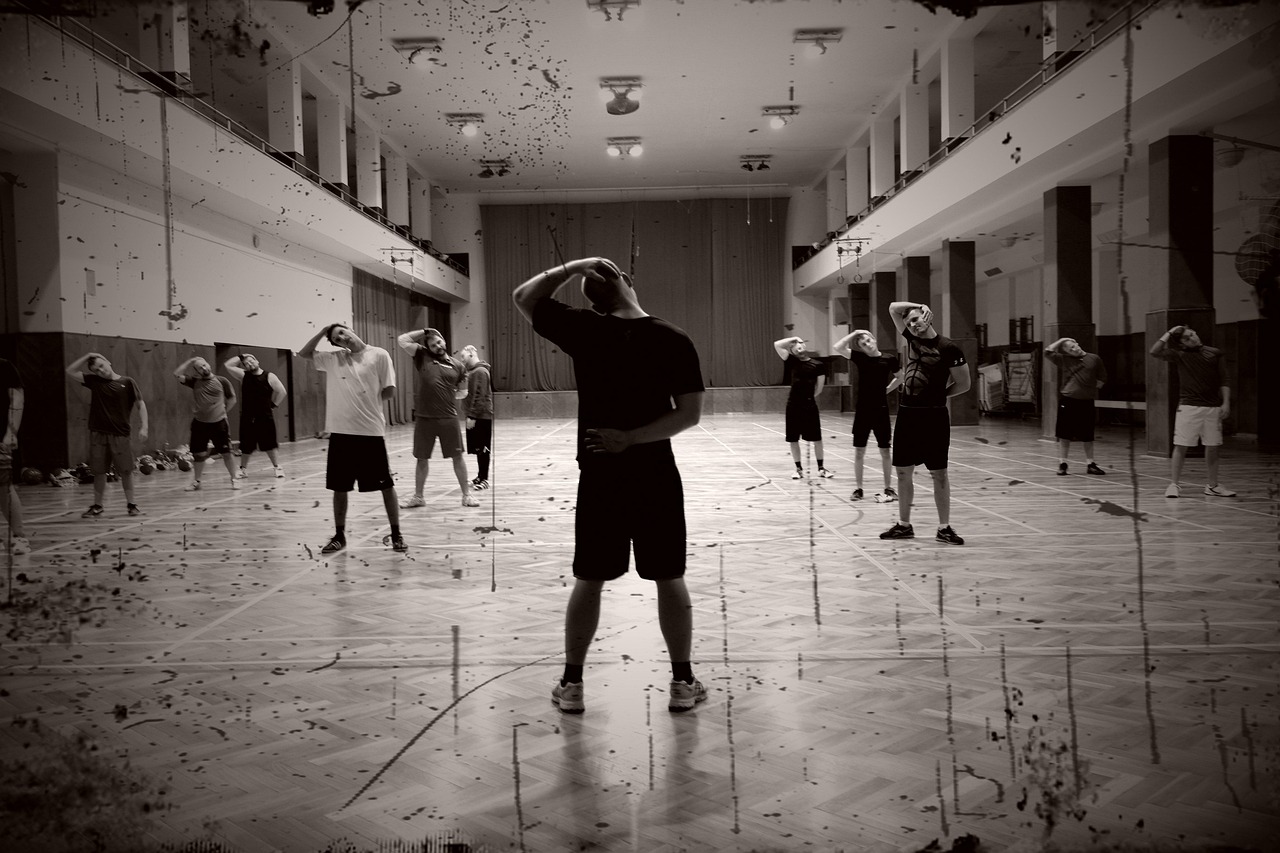

Warm-up Exercises That Activate the Posterior Chain for Calisthenics
Beginning your calisthenics workout with thorough warm-up routines fosters improved performance and reduces injury risk. A well-designed warm-up is essential, especially as it activates the posterior chain. This vital group of muscles includes the hamstrings, glutes, and lower back, all crucial for controlling movement and achieving optimal strength. Effective warm-up exercises will not only increase core temperature but also enhance blood flow, facilitating better muscle function. Integrating dynamic movements instead of static stretches during your warm-up will help to engage the targeted muscles. Consider adding exercises such as glute bridges, hip extensions, or bodyweight squats to your warm-up regimen. These exercises prepare your posterior chain, specifically enhancing hip mobility and stability throughout your workout. A consistent routine will develop your strength and flexibility, leading to enhanced performance over time. Furthermore, don’t overlook the importance of pacing during your warm-up. Take your time; rushing through could lead to suboptimal activation and increased injury risk. Ultimately, investing time in your warm-up routine provides significant benefits, establishing a solid foundation for effective calisthenics workouts.
To further enhance your calisthenics warm-up, implementing specific exercises targeting each muscle within the posterior chain is beneficial. Start by focusing on your hamstrings with exercises like Romanian deadlifts or single-leg deadlifts. These movements will activate and elongate your hamstrings, promoting flexibility and strength necessary for explosive movements in workouts. Additionally, integrating mobility exercises for your hips helps unlock potential range, which is pivotal for many calisthenics movements, including handstands and muscle-ups. Capable hips enable better form and prevent common injuries. Furthermore, engaging in exercises that stimulate the glutes, such as banded lateral walks or kickbacks, will effectively activate your pelvis, contributing to overall power and stability. Benefits extend to improved core engagement, essential in various calisthenics exercises where balance plays a crucial role. Always remember to listen to your body during these warm-up exercises; modify movements as necessary to engage just right. The vitality of a thorough activation process cannot be overstated, especially in calisthenics. It separates successful routines from those that lead to frustrations or setbacks. Always prioritize activating your posterior chain properly.
An excellent addition to any warm-up routine is incorporating spinal mobility exercises. Enhanced spinal mobility not only aids in overall performance but also prevents injuries, particularly when dealing with dynamic movements like muscle-ups or press handstands. Exercises like cat-cow stretches or thoracic rotations can significantly increase spine range of motion and help activate the surrounding muscles. These enhancements lead to better control during your workouts. Moreover, as your posterior chain warms up, progressively introducing more complex movements, such as the deep squat or lunge variations, helps bridge the gap between your warm-up and work sets. Concentrating on form during these transitions is paramount; correct alignment maximizes benefits and reduces the risk of injury. Don’t rush through; your engagement and mental focus are critical at this stage. Additionally, ensuring that your breathing is steady throughout these exercises will help maintain core tension, amplifying your warm-up’s effectiveness. Each element in your warm-up contributes towards preparing for the intensity of your upcoming workout. Creating a warm-up that combines mobility, activation, and strength-building exercises will elevate your overall performance in calisthenics routines significantly.
Dynamic Movements for Calisthenics Warm-ups
Incorporating dynamic movements into your warm-up routine is essential for firing up your posterior chain. Such movements must replicate various patterns found during calisthenics workouts. Examples include leg swings and arm circles, which promote coordination while raising heart rates. Generally, higher-intensity moves like high knees provide cardiovascular benefits while simultaneously activating critical muscle groups. The active range of motion gained through dynamic stretches enables less-resistant muscles, which are essential for explosive leg movements and overall body strength. Transitioning from these dynamic movements into specific strength exercises can help solidify the activation process, creating a seamless warm-up session. It’s also worth noting that your body’s response varies, so remaining aware of your energy levels is vital. Customizing your routine based on how you feel will lead to more productive workouts overall. Staying mindful about executing each move correctly leads to better muscle engagement, even in preliminary stages. As you build strength and coordination, these warm-up techniques become second nature, making your workouts more efficient and enjoyable. Remember, proper warm-up translates to safe and effective calisthenics training.
Your warm-up for calisthenics should not only target your posterior chain but also improve overall body awareness. Consider adding stabilizing exercises such as single-leg stands or balance drills; they will engage multiple muscle groups in your lower body while fostering coordination and proprioception. Enhanced body awareness is indispensable during advanced calisthenics moves. By challenging your stability, you greatly decrease chances of falling or losing form during exercises like planche or front lever. Incorporating slower tempos into your movements can further develop muscle control. Exercises such as slow squats and controlled lunges demand a greater focus on muscle engagement. Additionally, pay heed to your breath; controlled breathing optimizes performance and aids muscle activation. A controlled breath paves the way for focusing on proper form in your calisthenics efforts. Alongside quality breathing, engaging your core throughout the warm-up is indispensable; this ensures spinal alignment and stability. Remember, the essence of warming up lies not only in physical preparation but mental readiness as well. Your activation routine should fortify your mind-muscle connection, as enhanced focus will correlate directly with a successful workout.
Consistency and Progression in Warm-ups
Building and maintaining a consistent warm-up routine is essential in achieving success with calisthenics. Regular practice facilitates better muscle memory as your body learns the movements that best activate your posterior chain. This familiarity enables faster recovery time and enhances overall workout efficacy. Furthermore, as your strength improves, you must progressively adapt your warm-up exercises. For instance, you may find that the weights or resistance bands used in activation routines need to be adjusted. Increasing the load or complexity of your exercises ensures that your body continues to be challenged. Over time, your warm-up will evolve to reflect your unique abilities and performance goals. In this regard, seeking feedback or assessment by a professional trainer can be beneficial. Proper guidance can lead to tailored advice on additional movements to incorporate, enhancing injury prevention and performance. Committing to consistent warm-ups not only aids muscle engagement but also fosters a positive mindset as you approach your workouts. A well-structured warm-up assists in transitioning into an optimal training state, leading to ultimate calisthenics success.
Overall, the importance of warm-up routines that activate the posterior chain for calisthenics cannot be emphasized enough. These exercises serve as the groundwork for all subsequent training. Consistent engagement of the glutes, hamstrings, and lower back during warm-ups fosters significant improvements in strength, coordination, and mobility. The impact extends to enhanced performance in a variety of calisthenics movements, translating to greater achievements in strength and skill over time. Additionally, proper warm-up routines minimize injury risk, ensuring sustained progress in your training journey. Emphasizing dynamic stretches, mobility exercises, and progressive difficulty creates a solid foundation for continual growth in calisthenics. Remember, the goal is to cultivate adaptability to different challenging movements that demand strength and control. It’s essential to stay consistent, adapting your routine based on these principles. By respecting your body’s need for thorough preparation, you’ll not only boost performance but also find enjoyment in every session. Prioritizing warm-up routines that activate the posterior chain is crucial in maximizing your potential within any calisthenics practice.
There are myriad resources available to assist with formulating an ideal warm-up routine to activate your posterior chain for calisthenics. YouTube channels and online fitness communities often showcase professionals sharing their warm-up sequences for varying levels. These can serve as inspiration and guidance, particularly to beginners who may feel uncertain about their approach. Additionally, fitness apps can track your routines while offering customized warm-up suggestions based on personal fitness levels and goals. Engaging with these resources not only broadens your understanding of effective warmups but also connects you with fellow enthusiasts sharing similar aspirations. Community support can be immensely beneficial in staying motivated and accountable. Exploring local fitness groups, gyms, or calisthenics parks provides further opportunities for learning about proper warm-up techniques beyond the virtual realm. Personalized instruction and constructive feedback can immensely enhance your journey; knowledgeable coaches can tailor specifics to align with your objectives. Remember, the journey of mastering calisthenics is ongoing, and adapting your training strategy including warm-ups contributes significantly to achieving your desired goals.