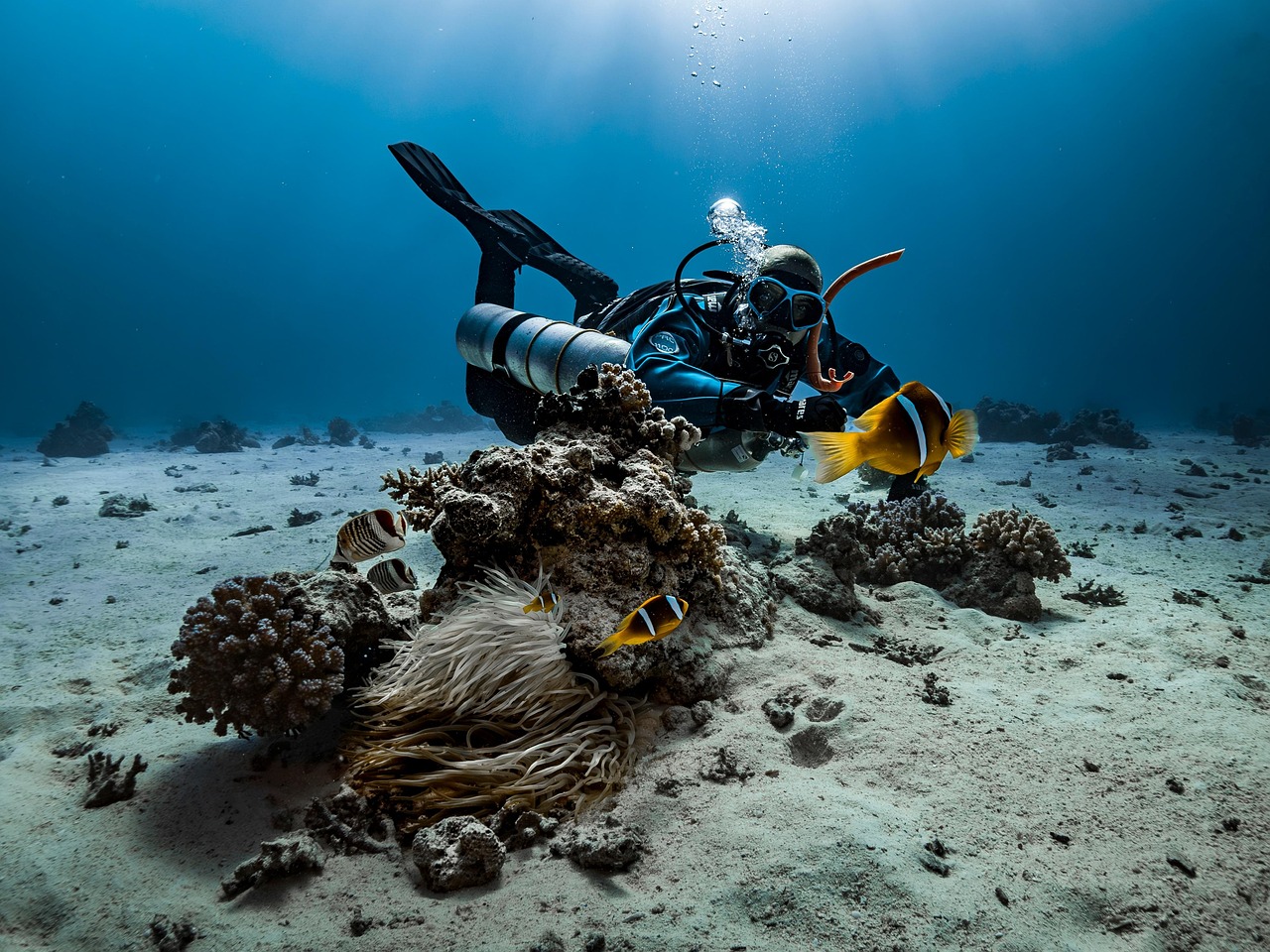

Best Practices for Diving with Sensitive Marine Ecosystems
Diving in sensitive marine ecosystems, such as coral reefs and kelp forests, requires special considerations. First, divers should ensure they are trained and knowledgeable about local biodiversity. Understanding the importance of marine life can help in avoiding harmful actions during dives. Additionally, using dive gear that reduces potential damage is highly recommended. Choosing fins that do not disturb ocean floors or creating bubbles that can affect marine life are crucial factors. Divers should also avoid touching or standing on corals. In doing so, they protect these fragile ecosystems from unnecessary stress. Pre-dive briefings can help educate divers about risks and protocols to follow. It is beneficial to familiarize oneself with the environmental conditions and limitations beforehand. Always maintaining buoyancy control minimizes contact with sensitive habitats. Furthermore, keeping a safe distance from marine animals allows for observation without influencing their natural behaviors. Remember, diving should be enjoyed without causing harm. Promoting responsible practices can create a sustainable future for our ocean environments, supporting both recreational diving and marine conservation efforts. Ultimately, each diver has a role in preserving the beauty of underwater adventures.
Environmental awareness is critical. Prepare for your dive by researching the specific ecological sensitivities of the area. Many popular dive sites are under threat from climate change, pollution, and overfishing. Staying informed about these issues fosters a sense of responsibility among divers. When booking diving excursions, opt for eco-friendly operators. Many companies today focus on sustainability, aiming to reduce reef damage and community impacts. They often follow guidelines set by organizations that work towards reef conservation. Participating in eco-initiatives also benefits marine ecosystems. Join local clean-up events or restoration projects to contribute positively. As divers, we need to support industry practices that emphasize the well-being of marine life. Minimizing personal impact is vital. Avoid using single-use plastics that can end up damaging marine habitats. Carry reusable water bottles, bags, and containers. Adopting a leave-no-trace approach during diving expeditions also ensures that we leave the environment untouched. Respect local regulations and guidelines, as these entities typically conserve biodiversity. This proactive behavior helps marine ecosystems thrive. Additionally, consider sharing your experiences to inspire others. Documenting positive practices in diving can encourage a communal effort to protect our oceans.
Respecting Local Wildlife
Interaction with marine wildlife should be approached with care and respect. Divers must always prioritize the well-being of animals observed during dives. Approaching marine creatures too closely could induce stress or disrupt their natural behavior. It is essential to adhere to a respectful distance while observing marine life, allowing creatures to thrive in their natural habitats. Various species, including certain sharks or sea turtles, can be sensitive to human presence. Understanding the behaviors of these animals can lead to safer and more rewarding encounters. Moreover, refrain from feeding marine wildlife; this can introduce unbalanced diets and alter natural feeding patterns. Such actions can negatively impact both the animals and the entire ecosystem. Instead, it’s advisable to simply watch and document. Capture the beauty of marine life through photography or video without interference. Additionally, only use safety certified and community-approved equipment to avoid causing damage. This applies to everything from dive gear to underwater cameras. By following these guidelines, divers contribute to the long-term preservation of marine ecosystems, ensuring future generations can cherish the underwater world as much as we do today.
Post-dive practices for safeguarding marine ecosystems are just as important as pre-dive considerations. After completing a dive, divers should evaluate their equipment and environmental impact thoroughly. A good practice involves checking for any accidental damage to coral reefs or marine flora that may have occurred during the dive. Bring awareness to this aspect will encourage responsible habits in future dives. Documenting any observed marine life and environmental conditions can also provide valuable data for conservation efforts. Some divers choose to report their findings to local conservation organizations to aid research and restoration projects. Spreading knowledge about sensitive areas fosters a culture of responsibility among divers. Additionally, divers should educate others about the implications of human actions on these ecosystems. Hosting community presentations or sharing experiences via social media can extend the reach. Encouraging awareness can lead to increased respect for vulnerable marine habitats. Keeping the dialogue open with fellow divers promotes understanding about best practices. Ultimately, committing to continuous education in marine conservation can transform our impact on the ocean for the better. Engaging with the community is key to successful conservation strategies.
Understanding Regulations and Policies
Awareness of local regulations and policies regarding marine conservation is essential for every diver. Each region may have unique laws that provide specific protections for sensitive marine ecosystems. Familiarizing oneself with these guidelines enhances the responsible diving experience. Regulations often designate protected areas, restricted zones, and guidelines about interacting with marine life. Knowledge about seasonal restrictions is also vital, as these policies are designed to protect spawning cycles and feeding patterns. Being in compliance not only contributes to marine health but enhances personal responsibility. Many countries enforce strict penalties for those who violate conservation laws. Having adequate knowledge ensures divers have a safe, enjoyable, and ethical diving experience. Engaging with local conservation agencies or organizations contributes to a deeper understanding of current initiatives. Likewise, divers should seek opportunities for further training to strengthen their knowledge base about marine ecosystems and how they function. By investing time in learning and sharing knowledge, divers become ambassadors for ocean conservation. The long-term preservation of submerged ecosystems hinges upon our actions today. Ultimately, informed dive practices contribute to the growth and sustainability of marine life.
The role of technology in promoting sustainable diving practices cannot be overlooked. With advancements in underwater mapping, divers can minimize their impact. Apps that help identify sensitive areas prevent unnecessary disturbances, guiding divers to areas where they can safely enjoy underwater exploration. Utilizing AI-driven monitoring systems can alert divers to conditions that may pose risks to marine life. Leveraging virtual reality experiences can provide learning opportunities about marine ecosystems without having to disturb their natural environments. Moreover, innovation in dive gear technology aims to limit environmental degradation. Equipment such as biodegradable dive accessories or non-toxic wetsuits reduces human impact, aiding conservation efforts. Engaging in these technological developments promotes awareness and responsibility in dive communities. Furthermore, encouraging dialogue surrounding technology in diving can cultivate a culture of sustainability. When divers showcase advancements, it inspires change within the industry. Getting more divers to adopt improved practices leads to collective benefits for marine ecosystems. Participating in surveys or feedback regarding tech usability helps manufacturers improve their products. Furthermore, advocating for responsible consumer choices can enhance eco-friendly advancements, leading to safe explorations. Enhancing our proficiency in tech applications can influence preservation positively.
Future of Sustainable Diving
Looking ahead, the future of sustainable diving hinges on education and community involvement. Creating a network of passionate divers focused on marine preservation is pivotal. Educational programs can engage new divers, instilling respect for ocean ecosystems from the outset. Emphasizing the importance of sustainability in dive training will shape attitudes towards marine environments. Furthermore, collaboration with conservation initiatives can develop impactful campaigns, elevating awareness around marine conservation. Planning joint events where divers participate in restoration projects can rekindle commitment to environmentally friendly practices. Additionally, encouraging more businesses to adopt sustainable practices can further strengthen the diving industry as a whole. Supporting companies that prioritize eco-friendly operations urges others to follow suit. Efforts towards promoting sustainable tourism practices engage visitors and local communities in mutually beneficial environments. Ultimately, the trajectory of scuba diving relies on our collective action toward improving marine ecosystems. Education, advocacy, and responsible practices become the backbone of a thriving diving community. Continuing to unite our vision for ocean conservation can secure a future where aquatic thrill remains unspoiled. By implementing effective changes today, divers can ensure memorable experiences for generations to come.
Sustainable diving practices are not just an individual responsibility; they require a communal effort. Every diver can make a difference by sharing knowledge and fostering a strong network centered around eco-friendly diving. Implementing guidelines in dive shops and organizations can create a supportive framework for responsible practices. Assisting fellow divers in understanding the importance of adherence to environmental standards can deepen community engagement. Divers should celebrate milestones in marine conservation and promote positive stories to motivate ongoing efforts. Encouraging collaboration with marine scientists strengthens knowledge and provides resources for proper management of diving practices. As divers come together to promote change, greater awareness and understanding of marine ecosystems evolve. Every initiative, small or large, contributes toward broader objectives in ocean preservation. Advocating for sustainable diving can build awareness about the fragility of underwater environments. This collaborative approach will strengthen the diving community, making conservation efforts more impactful. Continuing to work together can establish long-term solutions for issues facing our seas. By sharing experiences and insights, divers enable future generations to appreciate the natural beauty below the water. Ultimately, forging a united path towards sustainability shapes the future of diving as a cherished activity for all.