
Combining Low-Impact Aerobics with Other Senior Fitness Activities
As seniors become more aware of the importance of staying active, low-impact aerobics has emerged as a fantastic choice. These exercises promote cardiovascular health and improve flexibility without exerting undue stress on joints. Beyond just aerobic workouts, combining low-impact activities with other fitness options enables seniors to engage various muscle groups while improving overall mobility. For seniors, variety is essential; this prevents workout monotony and keeps participants motivated and eager to engage. Options like gentle Pilates or yoga paired with low-impact aerobics can provide enhanced balance and flexibility benefits. Integration of resistance training can further complement aerobic routines, promoting better muscle strength, which often helps with daily activities. Engaging the community through group classes can enhance social connectivity while promoting physical health. Instructors experienced with senior fitness ensure the exercises accommodate diverse fitness levels and preferences. Embracing a holistic approach to fitness not only improves physical well-being but fosters mental resilience. Overall, low-impact aerobics should serve as a foundational component of a balanced fitness program for seniors.
Building on the concept of combining activities, water aerobics has also gained popularity among seniors. This form of exercise is especially beneficial due to the buoyancy provided by water, which minimizes the stress placed on joints. Engaging in water-based exercises in a controlled environment can vastly improve cardiovascular endurance. Furthermore, such classes often foster a social atmosphere that improves mental well-being. In addition to water aerobics, engaging in activities like walking clubs can further enhance stamina. Walking is not only an excellent low-impact physical activity but also offers a wonderful opportunity for social interaction among seniors. Regular walking can improve mood levels and provide essential exposure to daylight, promoting mental health. These walking groups allow seniors to embark on energetic adventures, exploring local parks and neighborhoods. Nutrition plays a critical role here, too; seniors should remember to stay well-hydrated while engaging in any aerobic exercises, especially in warmer weather. Consider pairing low-impact classes with educational workshops focused on nutrition for a rounded approach. Overall, diversifying exercise habits can help seniors lead healthier, happier lives.
The Role of Strength Training
Incorporating strength training into a senior’s fitness routine is another powerful strategy to enhance the efficacy of low-impact aerobics. While aerobics is excellent for endurance, strength training is vital for maintaining muscle mass and bone density as individuals age. This approach mitigates the risk of injuries and promotes functional independence. Seniors can utilize resistance bands or light weights to strengthen different muscle groups without putting excessive strain on their bodies. Targeting core muscles while engaging in low-impact aerobic activities can also improve balance and posture, reducing the likelihood of falls. Customized strength training routines can be tailored to individual fitness levels, ensuring seniors remain motivated and engaged. Regular assessments can help track progress, guiding modifications to workout plans when necessary. Moreover, working with qualified trainers experienced in senior fitness ensures exercises are performed safely and effectively. Encouragement from trainers can foster a supportive community among participants. It’s essential for seniors to understand that building strength complements aerobic activity, improving overall health outcomes. Combining both not only enriches the workout experience but also empowers seniors to enjoy their activities for longer periods.
To further enhance motivation, setting achievable fitness goals is crucial for seniors integrating different forms of exercise. These goals can serve as a roadmap for success and promote a sense of accomplishment. Seniors can start with small, specific objectives, such as increasing walking distance or improving balance by mastering certain yoga poses. Achieving these targets can be incredibly uplifting, creating a positive feedback loop that fuels enthusiasm for ongoing participation in diverse fitness activities. Collaborating with fitness buddies or joining community groups can provide support and accountability. Moreover, utilizing technology can help seniors track their progress over time. Fitness apps or simple journals allow for ongoing evaluation of workouts, helping to identify patterns in accomplishments, mood, and energy levels. It’s essential to recognize that there may be obstacles along the way; however, adaptive strategies can be employed to keep on moving towards intended goals. Celebrate even the minor victories to reinforce the benefits of persistence in maintaining a regular fitness schedule. Moreover, being patient with oneself is key to finding joy in these activities while establishing a personal fitness identity.
The Importance of Flexibility Training
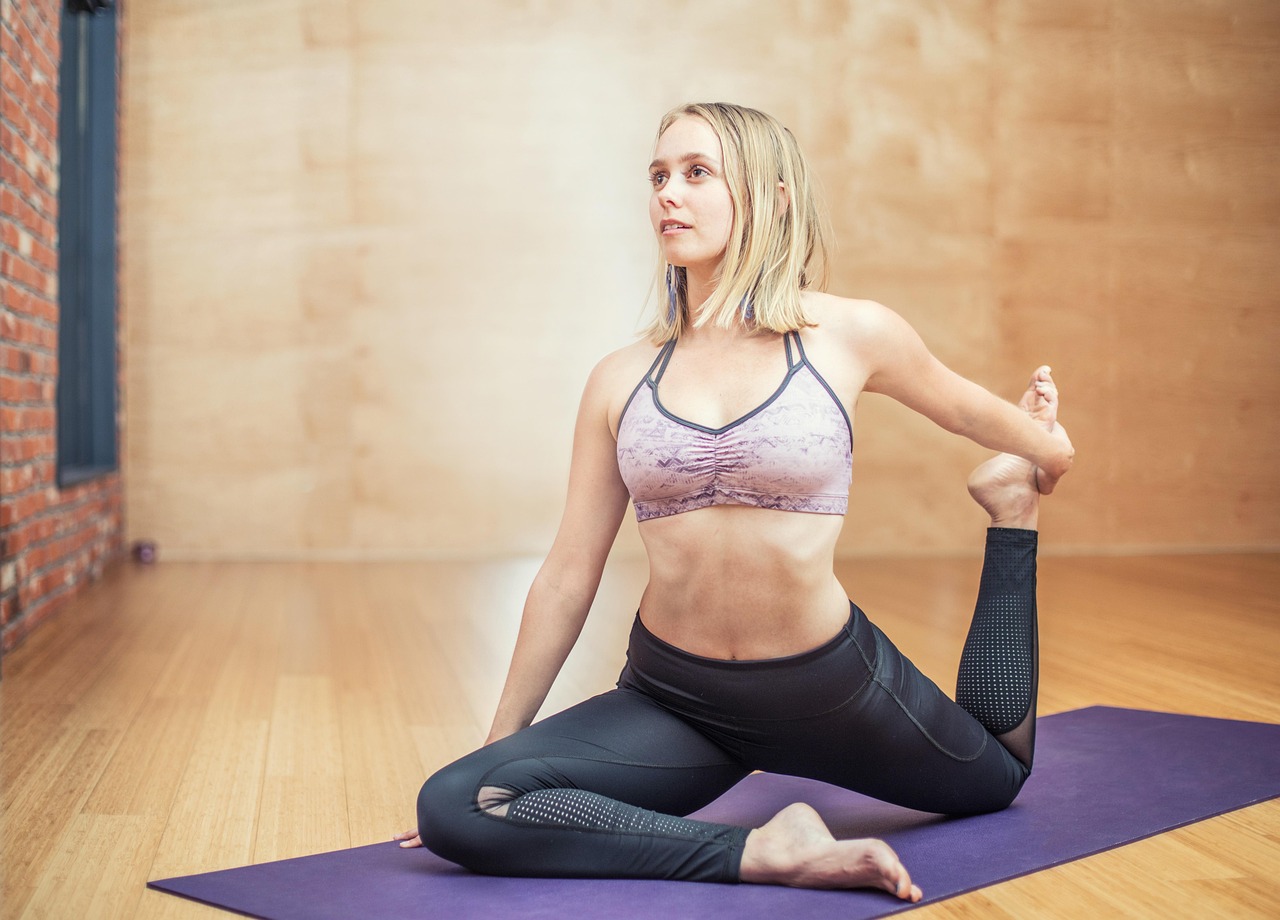
Alongside aerobics and strength training, flexibility exercises must be emphasized as seniors build their fitness regimens. Low-impact aerobics can increase flexibility, but adding dedicated stretching routines can yield enormous benefits for mobility. Including gentle stretching or tai chi after aerobic workouts enhances muscle elasticity and promotes relaxation. This comprehensive approach helps reduce muscle tension while improving the range of motion, leading to more comfortable daily activities. Flexibility training contributes significantly to injury prevention by preparing muscles for movement, which is especially critical as seniors age. Classes that focus on gentle yoga or dedicated stretching can provide targeted enhancements. Integrating these practices into a weekly routine accompanies the struggle many seniors experience with joint stiffness. A greater range of motion can empower seniors to explore other activities, such as dancing or gardening, enhancing overall quality of life. Participating in group classes or online sessions dedicated to flexibility allows seniors to benefit from personal instruction and peer support. Therefore, embracing flexibility training is fundamental in maintaining an active lifestyle while enjoying other physical activities.
Nutrition remains a key element to support any senior fitness journey involving low-impact aerobics and other activities. Adequate nutrients bolster energy levels and facilitate recovery post-exercise, ensuring that seniors can engage regularly. Emphasizing a well-rounded diet rich in fruits, vegetables, lean proteins, and whole grains provides the necessary nutrients to fuel workouts. Hydration is crucial, particularly during aerobic sessions; seniors should aim for consistent water intake to support overall well-being and performance. Moreover, consulting with a nutritionist can provide personalized guidance tailored to specific needs and health conditions, especially for those managing chronic illnesses. Supplementing workouts with the right foods can optimize performance while enhancing recovery periods. Seniors should also be mindful of the role of timing; consuming balanced meals an hour or two before aerobic sessions can stabilize energy levels and improve endurance. Additionally, after workouts, including protein helps rebuild muscle fibers. Staying educated on nutrition trends currently influencing senior health can encourage more thoughtful choices. Adopting a holistic approach encompassing fitness and nutrition together will promote a healthier lifestyle among seniors.
Conclusion
Ultimately, combining low-impact aerobics with other fitness activities provides a myriad of benefits for seniors striving to maintain an active lifestyle. Integrating aerobic exercises with strength, flexibility, and nutritional support creates a comprehensive program that enhances health and well-being. Engaging in various physical options fosters a sense of community and provides an enjoyable avenue for social interaction. As seniors explore different activities, they discover what resonates positively with their individual goals. Furthermore, adapting their routines can provide lasting motivation to stay on track. Remaining active fuels physical health, supports cognitive vitality, and elevates overall lifestyle quality. Ensuring participation in low-impact aerobics while driving diversity within fitness choices enhances resilience. By creating a balanced approach that honors both enjoyment and sustainability, seniors can find long-term success in their fitness endeavors. The journey towards better fitness does not have to be solitary; engaging with friends, family, or workout buddies allows for deeper connections while pursuing shared health goals. As the paradigm of senior fitness continues to evolve, the focus must remain on comprehensive, enjoyable, and accessible programs that address the diverse needs among older adults.