
How Weather Conditions Affect Indoor Track Cycling
Indoor track cycling is primarily insulated from the outdoors; however, weather conditions can still impact performance significantly. Temperature, humidity, and air pressure can influence both the athlete’s comfort and their overall performance. Warmer conditions can lead to faster muscle fatigue and dehydration, while colder environments may hamper blood flow and motivation. Cyclists must acclimatize to the controlled environments of indoor facilities. Light conditions also play a role; too bright or too dim lighting can affect focus. Proper gear selection is essential, as wearing too much or too little might disrupt optimal performance. Understanding how to manage these variables poses a challenge for athletes. Additionally, adjusting workout schedules based on these factors can promote better results. Therefore, it’s crucial for cyclists to remain adaptable and responsive to their environment, even indoors. Engaging in pre-ride checks, ensuring adequate hydration, and focusing on appropriate nutritional strategies can contribute positively to performance levels. Being mentally prepared to tackle variations due to unexpected weather influences is equally important. Track cyclists often strategize and prepare for a range of conditions in advance to maintain peak performance.
Another aspect that affects indoor track cycling performance is the design of the cycling track itself. Indoor tracks should ideally be built with high-quality materials that can absorb impact. The surface can alter grip and friction, which in turn influences speed and control. Wet or too dust-laden tracks can create unsafe conditions for cyclists, leading to risk of falls or injuries. Cyclists often utilize specific tires formulated for optimal performance on various surfaces. In addition, indoor air quality plays a crucial role; dust and pollutants may lead to breathing difficulties, affecting endurance during competitions. Regular maintenance and cleaning of indoor tracks can mitigate these issues significantly. Cyclists should also understand wind patterns created by the ventilation systems in indoor facilities. Tailwinds and headwinds can impact speeds dramatically over the same distance. Therefore, Cyclists often have to adjust their techniques and tactics when racing under these varying conditions. Utilizing technology like fitness trackers can provide insights into performance fluctuations due to these environment factors. Being aware and prepared for the track environment’s influence ultimately prepares athletes for success.
Humidity and Temperature Control
Humidity impacts indoor track cycling significantly. Higher humidity levels can lead to discomfort, impeding athletes’ focus and endurance. The body struggles to regulate temperature when sweat does not evaporate efficiently in humid conditions. This situation can lead to dehydration, negatively impacting performance. Managing hydration levels becomes crucial for cyclists, especially in humid environments. Incorporating electrolyte-rich drinks before and after workouts can help athletes avoid the pitfalls of dehydration. Additionally, cooling strategies like ice packs or cooling vests can be employed to combat the effects of humidity. On the other hand, dry air and low humidity levels present their own challenges, as they can lead to higher rates of dehydration. In terms of temperature, an ideal indoor track cycling environment falls between 20 to 22 degrees Celsius. Cyclists should dress appropriately, opting for layers to manage body temperature during training sessions. Clothing can greatly impact performance, with the right materials improving heat dissipation. Ultimately, in order to maximize their performance, cyclists should be proactive in adjusting their strategies to cater to these fluctuating humidity and temperature conditions.
Besides heat and humidity, it’s essential to consider ventilation when exploring how it affects indoor track cycling. An effective ventilation system can have a positive impact on an athlete’s performance by delivering fresh air and ensuring temperatures stay optimal. Proper airflow manages heat within the cycling facility and creates an environment where riders can push their limits without overheating. Stale air hampers performance, as it often contains higher concentrations of carbon dioxide, detrimental to muscle oxygenation. Cyclists should pay attention to how ventilation can vary across different training venues. Identifying the best facilities with effective airflow becomes critical for maintaining high training standards. Additionally, cyclists may take precautions before races; warming up in different sections of track might reveal varying air currents affecting their performance. Atmospheric pressure plays a role too; managing pressure differences allows for increased cardiovascular efficiency, optimizing breathing and oxygen intake. To improve indoor training at higher elevations or densely populated areas, cyclists should seek facilities that ensure adequate ventilation and air quality are upheld during their training. So ultimately, breathable environments are crucial to an athlete’s longevity and performance level.
Impact of Weather on Equipment
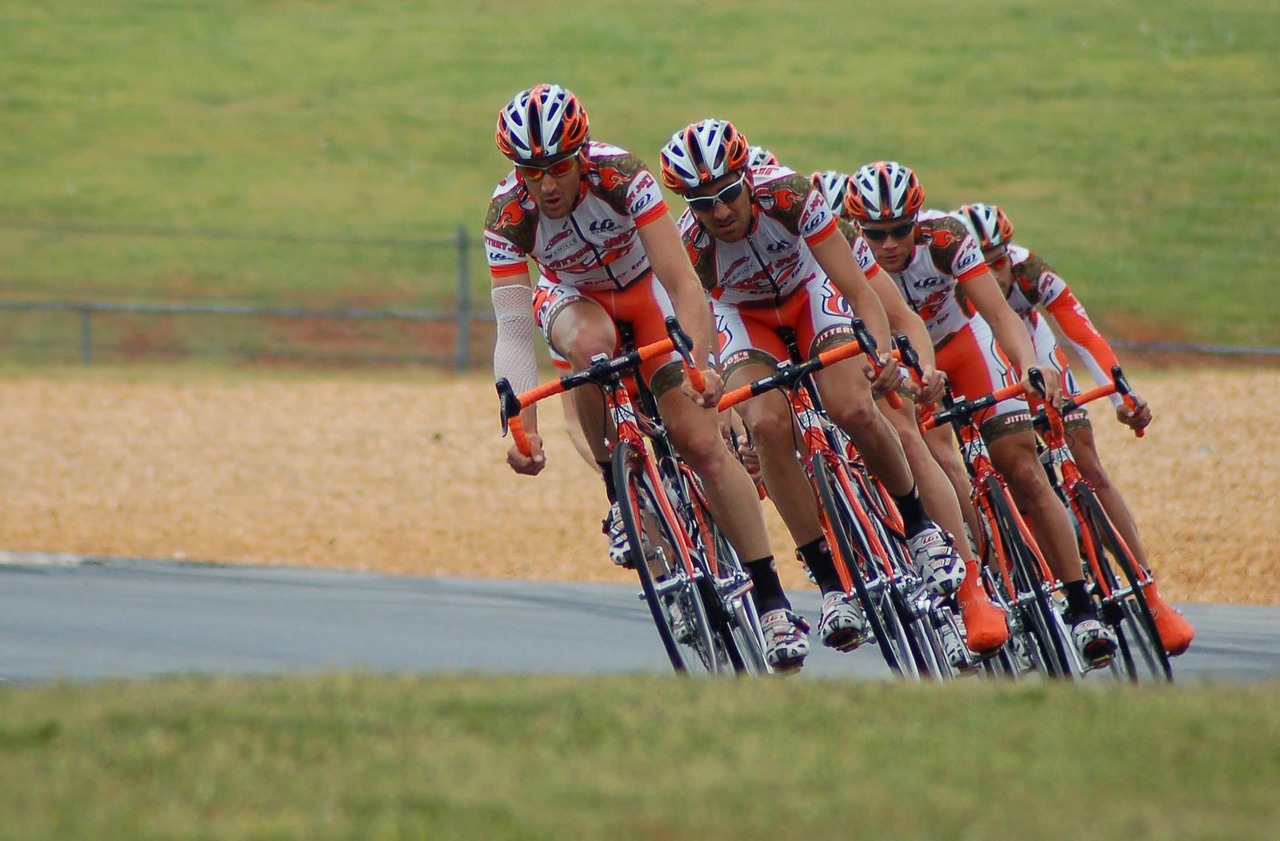
The weather influences cycling gear choices. Track cyclists often gear up according to the expected conditions, regardless of whether they ride indoors or outdoors. Helmet design, for instance, adapts to temperature variations; a vented helmet can be advantageous in warmer environments, promoting airflow and cooling. Choosing the right tires, depending on the track surface, also caters to various conditions. For instance, softer tires may be chosen for smoother surfaces, while firmer options can provide enhanced traction on balanced track conditions. Cyclists require reliable equipment, particularly for indoor competitions, where performance expectations are elevated. Weather factors like humidity can affect mechanical firmness in equipment, requiring ongoing checks and maintenance. Therefore, having versatile gear that can withstand indoor variations becomes essential. Cyclists should routinely assess their equipment to avoid malfunctions. Ensuring proper functioning equipment under changing indoor conditions can make a significant impact on performance. In addition, regular updates on the latest technologies can assist in improving gear choices. With evolving advancements, indoor cycling equipment continues to gain enhancements. Athletes can improve their skills with the right setup, thereby maximizing performance and safety.
In conclusion, adapting strategies for indoor track cycling performance is crucial when considering varied weather conditions. Using knowledge of environmental factors requires a comprehensive understanding of biomechanics, nutrition, and equipment management. Elevating performance levels may involve physiological acclimatization to indoor conditions unlocking new limits. Therefore, cyclists can improve their training by recognizing how these environmental influences create changes in their output. Furthermore, the importance of individualized training plans tailored to personal preferences and environmental acceptance can enhance competitive performance. Engaging with coaches and performance specialists helps athletes develop comprehensive strategies that harmonize their training schedule with indoor variables. Understanding how changing weather conditions continue to influence track cycling, coupled with their own biological makeup can define future successes. In sum, embracing the unseen influence of weather, even indoors, ultimately becomes a vital component of cyclists’ routines. This integration promises growth, adaptability, and resilience as athletes respond to every challenge that comes their way. Indoor track cyclists willing to adjust methods based on environmental fluctuations find themselves becoming leaders through constant evolution and innovation in the sport. The journey through such provocative conditions opens horizons, empowering athletes to take on any biking challenges.
Preparing for Indoor Track Sessions
The ultimate goal of indoor track cycling transcends physical capability; mental preparedness contributes greatly to achieving performance excellence. Athletes must condition themselves mentally to forge ahead with training that acknowledges environmental nuances. Striking a balance and being mindful of weather effects, even while indoors, is essential for cognitive adaptability. Implementing mental strategies, such as visualization techniques, can enhance concentration amidst varying elements. Competence in interpreting physical responses to external conditions leads to improved response and decision-making skills in races. Additionally, building a strong connection with coaches for ongoing analysis allows for a custom-enhanced approach tailored to respond specifically to the unique attributes of track conditions. This relationship lays the foundation for athletes’ adaptability through consistent feedback, helping reinforce progressive learning. Emphasizing strength-training options during transitions between different track environments helps in building resilience against unforeseen elements. A sharp focus on refining skills, coupled with mental strength development, cultivates a robust athlete prepared for rigorous competitions, irrespective of fluctuating weather conditions. Being proactive with mental rehearsals or confidence-building workouts can empower cyclists to reach higher performance levels that enhance overall success in the sport. Consequently, such a comprehensive strategy results in avid performance improvements in indoor track cycling events.
In summary, weather conditions remain a significant aspect to consider within the realm of indoor track cycling. These variables directly influence performance, necessitating a comprehensive understanding from athletes and coaches alike. Cyclists dedicate time strategizing their gear, nutrition, and emotional preparedness while constantly responding to changes in their environments. Through this understanding, cyclists foster a mindset capable of thriving on the track. Therefore, accumulating knowledge about managing temperature, humidity, and ventilation promotes ongoing optimization opportunities. Higher performance levels arise when athletes merge tactical awareness with flexibility to navigate ostensibly minor but significant factors. Moreover, coaches and trainers play a crucial role in reinforcing adaptability principles that guide athletes through various indoor conditions. Indoor cycling offers many benefits yet requires continuous evaluation of individual responses to the environment. These considerations determine a cyclist’s readiness. Recognizing how indoor atmospheres intertwine with various influencing factors continues shaping the athletic landscape. Consequently, maintaining optimal performance amid evolving scenarios opens up exciting avenues. Ultimately, indoor track cycling reflects a world of relentless pursuit pushing boundaries, emphasizing the need for constant learning and adapting to succeed. For dedicated cyclists, adhering to these principles results in achieving superior athletic performance through nuanced mastery of both track conditions and physical capability.