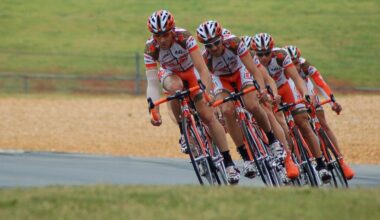
Mental Preparation for Winter Triathlons
Mental preparation is a crucial component of training for winter triathlons. It involves establishing a robust mindset and techniques to tackle various challenges during the race season. Competitors need to prioritize mental training alongside physical conditioning to optimize their performance. Effective strategies encompass visualization, affirmations, and relaxation techniques. Visualization aids athletes in picturing themselves succeeding, allowing for improved focus and stress management. Affirmations help in maintaining a positive outlook and reinforcing self-belief. Relaxation techniques can include deep breathing exercises and yoga, which are beneficial during stressful moments. That’s why, incorporating these practices consistently in training routines holds value. Moreover, understanding the importance of adaptability can also influence performance outcomes positively. Prepare mentally for weather fluctuations, unexpected setbacks, and race-day doubts. Furthermore, discuss experiences with peers or mentors who may provide insights or strategies relevant for improved performance. Building a network of support can also enhance motivation and help athletes stay accountable. Remember, mental resilience is as essential as physical stamina. Engage in community events or training sessions to gain insights and fine-tune preparation strategies as the race approaches; it’s a shared journey towards achieving personal bests.
Establishing Mental Goals
Setting mental goals during your training regimen adds focus and direction to your preparations. These specific goals should be measurable, attainable, relevant, and time-bound (SMART). For example, you might aim to develop a strong visualization practice that complements your physical training program. Establishing consistency in practicing mental techniques like meditation or positive self-talk aids in fostering an ideal mindset. Additionally, keeping a training journal can help track progress and encourage self-reflection. This process allows you to identify successes and areas for improvement, ultimately creating a sense of accomplishment along the way. Engaging with other athletes about their practices is also beneficial. Sharing experiences can lead to new insights, enhancing one’s understanding of mental techniques used in competition. Personal anecdotes or techniques can inspire fresh approaches to tackling mental challenges. Furthermore, studying the psychology of past athletes who excelled in winter triathlons may provide valuable insights. Adapting their strategies to one’s routine can enhance readiness and effectiveness. Lastly, remember that mental goals should evolve with your training phases. Regularly reassessing and adjusting these goals reinforces commitment to both physical and psychological enhancement as winter race days approach.
The Role of Visualization
Visualization plays an invaluable role in preparing for a winter triathlon. Athletes often incorporate this technique to mentally simulate race scenarios, improving focus and familiarity with expected challenges. Begin by selecting a quiet space to practice visualization, sitting comfortably while closing your eyes. Focus on imagining the race environment, including weather conditions and other participants. This mental rehearsal allows athletes to connect with their physical sensations, creating a roadmap for success. Spend time picturing key elements such as transitions, techniques, and pacing. Moreover, envision overcoming potential obstacles, such as adverse weather or fatigue. Doing so serves to strengthen mental fortitude. Combining these visualizations with relaxation techniques, such as deep breathing, further amplifies the benefits. Aim to engage senses—see the scenery, hear the sounds, feel the cold air. Such sensory engagement heightens realism and provides invaluable mental preparation. Furthermore, consistency is vital; regular practice can produce lasting improvements in performance. Incorporate visualization into daily routines, whether during training sessions or as part of your pre-race ritual. Empower yourself with clarity and confidence by utilizing visualization frequently. This means enhancing mental preparedness while decreasing anxiety levels when faced with competition.
Affirmations for Success
Employing positive affirmations amplifies self-belief and cultivates resilience in winter triathlon athletes. Initiate the practice by crafting personalized statements embodying your goals and aspirations. For instance, affirmations such as “I am strong and capable” or “I embrace challenges with confidence” can build mental strength. Daily repetition of these affirmations targets the subconscious mind, altering thought patterns over time. Note down affirmations on sticky notes placed in commonly viewed areas. This constant exposure serves as a reminder of your capabilities and motivates you during training. Leveraging social support by sharing affirmations can also strengthen commitment toward goals. Engaging with teammates or friends encourages accountability and fosters an uplifting environment. Group sessions focusing on mutual encouragement heighten the sense of community among triathletes. Moreover, integrate affirmations into warm-up routines as part of mental preparation. Repeating them before races effectively shifts focus away from negative thoughts, enhancing mental clarity. Consider pairing affirmations with visualization again as a comprehensive approach. Combining both techniques reinforces positive thinking alongside mental imagery. As a result, this synergy results in improved race-day performance and a solid mental foundation for upcoming competitions.
Relaxation Techniques
Implementing relaxation techniques effectively complements training efforts, reducing stress and enhancing mental resilience. Incorporate methods like yoga, deep breathing, or progressive muscle relaxation into your routine. Yoga not only improves flexibility and core strength but also fosters a sense of inner calm. Schedule regular yoga classes to merge physical training with mental development, ultimately benefiting performance. Furthermore, practice deep breathing exercises daily to manage anxiety levels. For example, try inhaling deeply through the nose, holding for a moment, and then exhaling slowly through the mouth. This repetitive cycle can ground you, fostering clarity and focus. Progressive muscle relaxation involves intentionally tensing and releasing muscle groups, promoting awareness of tension and stress levels throughout the body. Integrate this technique as part of your pre-race ritual to alleviate anxiety leading up to events. Additionally, meditation techniques cultivate mindfulness; consider dedicating 10 minutes to focus solely on your breath. It helps in distancing yourself from competition-related pressures while enhancing your connection to the present moment. Finally, brainstorming a personal relaxation plan solidifies these practices as habitual. Incorporating different relaxation techniques into your training routine can yield lasting benefits for both mental and physical well-being.
Building a Support Network
Establishing a vibrant support network holds immense importance in mental preparation for winter triathlons. Engage friends, family, and fellow athletes who share similar goals and aspirations. Having a solid support system encourages motivation, accountability, and emotional well-being throughout training and racing. Attend local events or training sessions to connect with other athletes, fostering uplifting relationships that inspire growth. Participate in group workouts or online forums that focus on winter triathlon discussions. Sharing personal experiences, achievements, and challenges creates a sense of camaraderie within the community. Furthermore, consider finding a training partner with complementary skills; you can enhance each other’s strengths and tackle weaknesses collectively. Alternatively, seek a mentor within the triathlon community for guidance through training phases. Through their experience, mentors can share insights, providing valuable strategies or perspectives. Regularly discussing mental preparation techniques with this network opens doors to new ideas and practices tailored for optimal performance. Be open to incorporating diverse perspectives and shared practices into your routine. Remember, a committed support network reinforces determination and perseverance, proving instrumental in achieving both individual and collective goals in the winter triathlon season.
Embracing Adaptability
Embracing adaptability during winter triathlon training is essential for mental fortitude and success. Athletes should prepare for varying conditions that winter sports bring, including changes in weather and unexpected challenges. Focus on creating flexible training plans that allow you to incorporate alternative workouts when weather arises. Being adaptable not only builds resilience but also ensures that goals remain achievable regardless of external factors. For instance, if a heavy snowfall prevents outdoor training, consider indoor alternatives such as strength training or cycling on a stationary bike. Continuous adaptation helps athletes remain engaged, preventing stagnation in both physical and mental progress. Moreover, learn to adjust goals in response to changing circumstances. Regularly evaluating performance transformations will reveal insights into your strengths and weaknesses, prompting you to adapt accordingly. Engaging in dialogue with other athletes who have experienced similar challenges can yield proactive solutions to counter unforeseen risks. Openness to change fosters creativity and innovation in training methodologies. Ultimately, embracing adaptability signifies strength in navigating the multifaceted demands of winter triathlon challenges. Investing in developing this ability fortifies mental preparedness while maximizing performance during competitions, yielding personal bests and satisfaction at the finish line.
Conclusion: Strategy Integration
In conclusion, integrating mental preparation techniques into winter triathlon training is paramount for achieving peak performance and personal growth. Consistently employing strategies like visualization, positive affirmations, relaxation techniques, and adapting to circumstances cultivates a holistic approach for overall endurance development. Utilizing these practices complements physical training efforts, reinforcing mental resilience. Moreover, establishing a supportive network enhances motivation and overall performance. Ensure to reassess personal mental goals, fine-tuning them as progress occurs. Strive to create an environment conducive to positive mental practices, integrating these techniques into daily lives. Finally, remember that combining mental strength with physical endurance yields an athlete capable of thriving during winter events. Participation in community events or training groups can foster shared learning experiences and unique insights, evolving personal approaches. Recognize that mental training deserves equal attention alongside physical preparation. Ultimately, your experiences and growth will result from embracing an integrated strategy toward your preparation. As the winter race season approaches, implement these mental preparation techniques, ensuring readiness and excitement for every challenge that awaits in the thrilling atmosphere of the winter triathlon.