
Top 10 Self-Myofascial Release Techniques for Injury Prevention
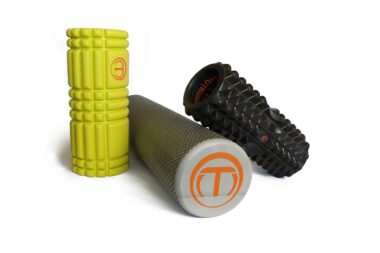
Self-myofascial release (SMR) is a popular technique that can enhance recovery and prevent injuries. This method employs foam rollers, balls, and other tools that provide pressure to trigger points in muscles. As individuals incorporate SMR into their routines, they experience improvements in flexibility and mobility, making it an essential aspect of injury prevention. It’s crucial to understand the proper techniques and durations when practicing SMR to ensure optimal results. Benefits arise not only from muscle relaxation but also from increased blood flow to targeted areas. Research shows that regular implementation of SMR aids in reducing delayed onset muscle soreness, thereby improving overall performance. Individuals should prioritize learning about their bodies, recognizing tight areas, and focusing on tension release. Pain reduction from chronic conditions, such as lower back pain, can also be achieved through consistent practice. Learning these techniques can empower individuals to take charge of their recovery, leading to better athletic performance and reduced injury rates. In the following sections, we will explore specific techniques that target various muscle groups for effective results.
1. Foam Rolling the IT Band
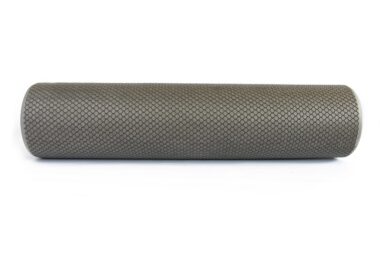
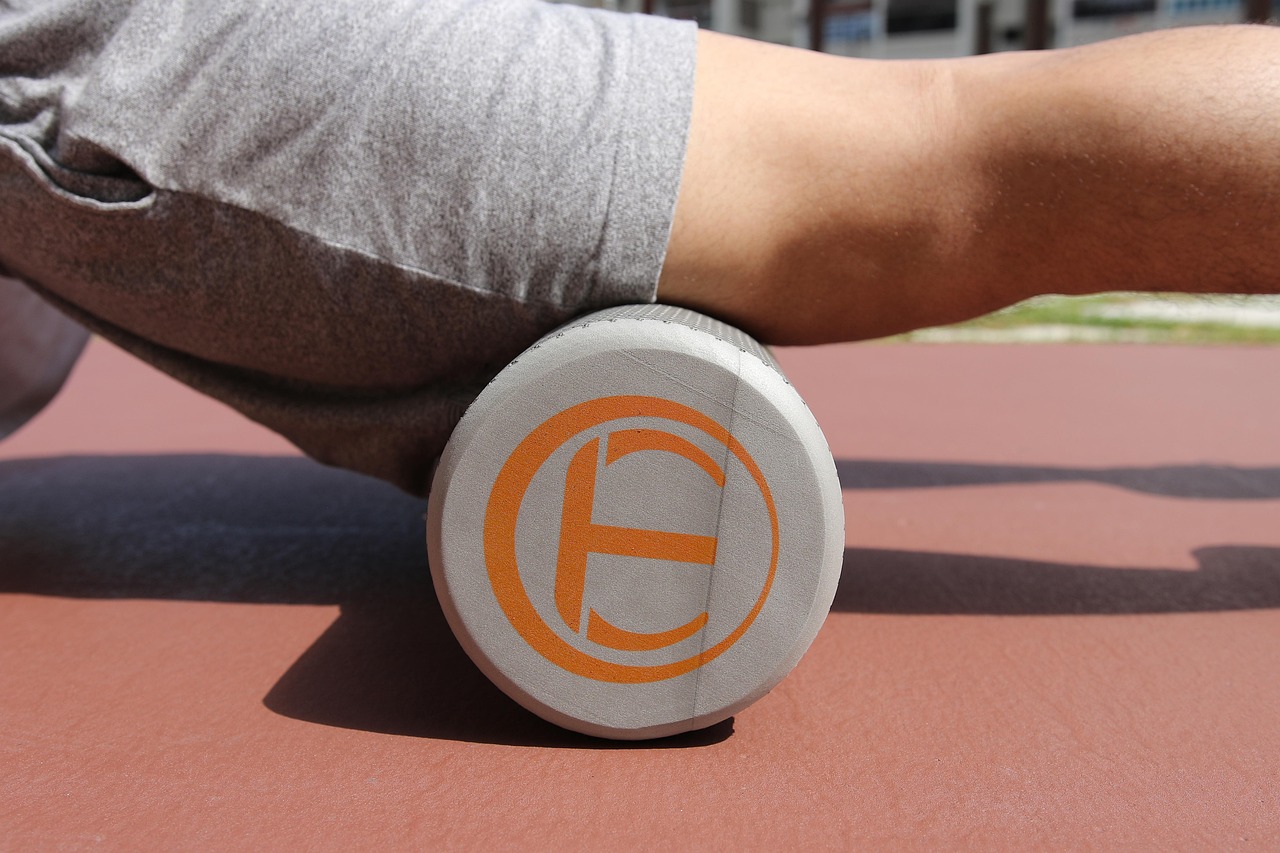
The iliotibial (IT) band is a crucial structure running along the outside of the thigh. Tightness in the IT band can lead to discomfort, especially for runners and cyclists. By using a foam roller on the IT band, individuals can alleviate pressure and improve mobility in this area. Starting on the side, individuals should position the foam roller underneath their thigh. Slowly rolling back and forth for about 30-60 seconds can help release tight spots, enhancing overall hip function. As a key muscle group, maintaining flexibility in the IT band significantly reduces the risk of knee pain and other joint-related issues. Additionally, practicing this SMR technique post-exercise promotes better recovery times and muscle readiness for future workouts. It’s recommended to apply pressure appropriately and to avoid rolling directly over bony areas. This technique serves not only to relieve pain but also as a means of preventing further injuries. Incorporating this practice into one’s routine increases awareness of muscle tension and supports long-term joint health.
2. Calf Release Techniques using a Massage Ball
Calves often bear the brunt of physical activity, leading to tightness or soreness. Using a massage ball for calf release can provide powerful relief in this often-neglected area. To execute this technique, individuals should sit on the floor and place a massage ball under one calf. Gently rolling the ball towards the ankle and back towards the knee allows the calf muscle fibers to relax and recover. Repeat this movement for one to two minutes on each side, ensuring every tight spot is addressed. Focusing on tension points helps reduce soreness from activities like running or jumping. For added effect, individuals can flex and point their toes as they roll the ball, providing an effective stretch. This dual-action aids in muscle lengthening while also releasing Myofascial tension. Perfecting this technique promotes better balance while reducing injury risks linked to overworked calf muscles. Daily practice of calf release can enhance flexibility, improving overall athletic performance and muscular elasticity.
3. Thoracic Spine Rolling for Upper Back Relief
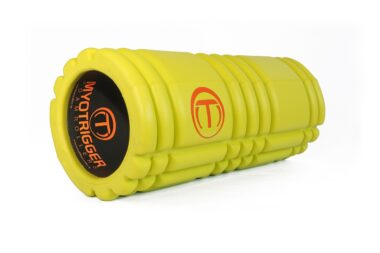
The thoracic spine is essential in maintaining good posture and shoulder health. Rolling out the upper back can significantly relieve tension, particularly if one works long hours at a desk. Using a foam roller under the upper back helps individuals improve thoracic mobility and posture. Placing the foam roller horizontally along the spine, individuals should gently roll up and down for about 30 seconds, focusing on any areas of tightness. This practice can drastically alleviate back pain and improve breathing by opening up the thoracic region. Emphasizing this muscle area promotes an adequate range of motion for overhead activities. Additionally, thoracic rolling stimulates blood flow, enhancing recovery after workouts. Individuals may benefit from incorporating thoracic spine rolling before or after workouts. Consistent practice can lead to better spinal alignment and function over time. Combined with other SMR techniques, it provides complete muscular recovery and enhances overall performance in various physical activities. Therefore, it’s a vital component of any injury prevention strategy.
4. Hip Flexor Release with a Foam Roller
Hip flexors are crucial for every movement involving the legs and hips. Unfortunately, they can become tight due to prolonged sitting or repeated strain. Foam rolling the hip flexors is a valuable technique that should be integrated into rehabilitation routines. To perform this technique, individuals should kneel with one knee on the ground and the other foot in front in a lunge position. Positioning the foam roller under the hip of the leg that’s on the ground enables effective pressure application. Slowly rolling back and forth for about 30-60 seconds provides significant muscle relief. It’s beneficial to maintain an upright posture and engage the core throughout the process for maximum effectiveness. Regularly practicing this technique enhances hip flexibility, crucial for active movements. Consequently, it aids in reducing the risk of injuries related to tightness, such as strains or tears. Moreover, muscle recovery is improved through myofascial release, allowing individuals to perform better in sports and physical activities. By helping to maintain optimal function, this technique stands as a foundational practice in injury prevention.
5. Quads and Hamstrings Rolling
The quadriceps and hamstrings are fundamental muscle groups engaging in a variety of activities. Addressing tightness in these areas through self-myofascial release is essential. For the quadriceps, individuals can use a foam roller while lying face down. Placing the roller under the thighs, they can gently shift their body weight forward and backward for effective relief. Perform this for 30-60 seconds on each leg to release tension built up during physical activity. Conversely, for the hamstrings, sitting on the floor with a roller underneath offers targeted relief. With straight legs, individuals may roll from the knees up to the glutes. Both techniques enhance blood flow, flexibility, and overall muscle function. Performing myofascial release on these muscle groups not only contributes to injury prevention but also improves athletic performance. Attention to these areas helps ensure proper biomechanics during movement. Emphasis on form and duration is crucial; overexertion can lead to discomfort. Therefore, balance in practice is key in ensuring that these vital muscle groups remain healthy and injury-free.
6. Glutes Activation using a Tennis Ball
It’s crucial to address the glutes, as they play a significant role in stabilizing the pelvis. One effective SMR technique involves using a tennis ball while seated or lying down. Locate tight areas within the gluteal muscles and position the ball against the muscle. Gently rolling over the ball for 30-60 seconds helps release stored tension in this critical area. This technique not only alleviates pain but also enhances function, preventing injury during physical activities. Individuals should also be mindful of their form and breathing while performing this technique to maximize effectiveness. By incorporating glute rolling, individuals can experience improved range of motion and power in lower body movements. Frequent practice addresses chronic tightness due to long periods of inactivity, offering tremendous benefits for athletic performance. Furthermore, glute release techniques promote overall body alignment and stability. Implementing this practice into warm-ups or cooldowns can significantly enhance workout results. Ensure continuous engagement of the core for optimal results throughout the process. Over time, this practice can lead to increased mobility and a better understanding of one’s muscular health.
7. Conclusion: Incorporating SMR into Your Routine
Implementing self-myofascial release techniques into daily routines has substantial benefits. By focusing on specific muscle groups, individuals can effectively manage tightness, enhance performance, and minimize risks of injuries. Prioritize discussing any chronic pain with professionals to ensure safe practices. Additionally, beginners should start slow, focusing on technique rather than intensity. Following workouts or during rest days, engage in SMR to encourage recovery and improve overall flexibility. Make it a habit to dedicate time at least once or twice a week to these practices for optimal results. Using different tools opens up a variety of techniques suited for various comfort levels. The goal is to create a balanced program, addressing muscle areas prone to tightness. Seeking guidance or advice can further improve efficiency and understanding. Ultimately, the journey towards proper self-myofascial release leads to healthier movement patterns and improved athletic prowess. Start incorporating these techniques to enhance life quality, performance, and well-being. Additionally, educate yourself through workshops or classes to deepen your knowledge of effective SMR practices.