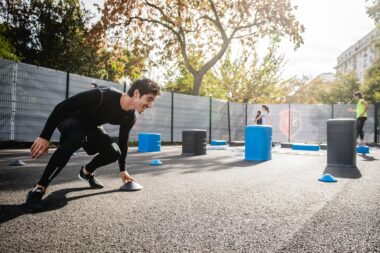

Exercise-Induced Modifications in Pituitary Hormone Secretion
Exercise is known to elicit various physiological responses in the body, significantly influencing hormonal secretions. One of the focal points in exercise physiology is the role of the pituitary gland, which releases crucial hormones during physical activity. Hormones such as growth hormone (GH), prolactin, and adrenocorticotropic hormone (ACTH) have been shown to respond dynamically to exercise stimuli. The secretion of these hormones contributes to vital physiological adaptations such as muscle growth, stress response, and energy metabolism. Intense exercise, particularly resistance training and high-intensity interval training (HIIT), has been associated with acute increases in GH concentrations in the bloodstream. Additionally, the timing and duration of exercise significantly impact hormonal release patterns. For instance, prolonged aerobic activities may lead to varying prolactin levels, which plays roles in metabolism, immune regulation, and reproductive functions. Understanding these endocrine responses is important not only for athletes looking to optimize performance but also for individuals aiming for effective fitness strategies supporting overall health and well-being. Furthermore, continued research into these mechanisms provides insight into the complex interactions between body systems and their adaptations to regular exercise.
Growth Hormone and its Role
Growth hormone (GH) is integral to the exercise response, promoting growth, muscle hypertrophy, and fat metabolism. During exercise, especially in higher intensities, the pituitary gland releases GH in a pulsatile manner, facilitating various metabolic processes. This secretion primarily occurs in both males and females across different ages with varying intensities and durations of exercise. Key factors that influence GH release include exercise intensity, duration, and the individual’s training status. For example, resistance training typically results in a higher GH secretion compared to steady-state aerobic activities, partly due to the stress placed on the muscles and the subsequent need for recovery and repair. Moreover, GH contributes to increased muscle protein synthesis through its ability to stimulate insulin-like growth factor (IGF-1) production in the liver. This interaction is crucial for muscle regeneration and adaptation post-exercise. Furthermore, the release of GH is also modulated by other factors like sleep and nutrition, illustrating the multifaceted nature of endocrine responses. These insights shed light on GH’s importance, emphasizing its role in recovery and adaptation, suggesting its relevance for both athletic performance and general health.
Additionally, research has shown that GH not only plays a prominent role in muscle gain but also actively facilitates fat metabolism during exercise sessions. This adipolytic effect leads to increased mobilization of fatty acids, providing a significant energy source for prolonged physical activity. It’s important to note that the patterns of GH secretion can differ depending on the type of exercise performed. High-intensity, short-duration exercises might trigger more substantial GH release compared to longer, moderate-intensity activities. This variability is crucial for athletes who aim to enhance their performance while optimizing body composition. Furthermore, the timing of GH release is closely aligned with recovery phases, where elevated levels can aid in tissue repair. Regular training programs that strategically manipulate both intensity and rest can maximize both the acute and chronic adaptations associated with GH. For those engaged in strength training or endurance sports, understanding and utilizing these hormonal responses can greatly affect overall training efficacy. Continued investigations into GH’s effects and other pituitary hormones will enhance exercise protocols, supporting better health outcomes and improving athletic performance across populations.
Other Pituitary Hormones
Besides growth hormone, the pituitary gland secretes various other hormones that significantly influence exercise responses. For instance, adrenocorticotropic hormone (ACTH) releases cortisol as a stress response due to physical activity. The secretion of ACTH increases with prolonged or intense exercise, stimulating the adrenal glands to produce cortisol. This hormone aids in mobilizing energy substrates by promoting the breakdown of fats and proteins, providing the necessary fuel for continued endurance performance. On the other hand, prolactin secretion, which is also modulated during exercises, plays a subtle yet important role in regulating metabolism, reproductive functions, and even immune responses. The fluctuating levels of prolactin during and after workouts highlight its complex role amid exercise enjoinment. Notably, the adaptations in hormone levels can differ significantly between sexes, which poses unique considerations for training programs. Moreover, hormonal response timing is also critical in designing recovery strategies to mitigate fatigue post-exercise. By assessing the connections between these hormonal responses and exercise protocols, individuals can gain insights to improve their training practices, resulting in enhanced performance outcomes over time.
The interaction between exercise types and hormonal responses presents a fascinating area of study that has substantial implications for sports science. For athletes and coaches, identifying optimal training methods can boost efficiency in hormone release, which, in turn, enhances performance and recovery. For example, incorporating various exercise modalities such as resistance training, high-intensity workouts, and aerobic exercises can elicit distinct hormonal responses. By alternating these exercises strategically, individuals can achieve balanced hormonal profiles that promote fat loss while building lean muscle mass. Moreover, understanding the role of rest and recovery in the context of hormonal secretion is critical for optimal training adaptations. Studies indicate that insufficient recovery can lead to hormonal imbalances causing decreased performance and poor adaptation. Additionally, awareness of the timing of hormone spikes can inform nutritional strategies that can further support recovery and muscle repair. By integrating knowledge about pituitary hormones into training and recovery protocols, athletes and recreational exercisers alike can tailor their routines more effectively. This personalized approach fosters an environment conducive to achieving individual fitness goals while maximizing overall health and well-being.
Implications for Health
The implications of exercise-induced hormonal alterations extend beyond athletic performance; they significantly correlate with general health outcomes. Exercise positively impacts the endocrine system, making it crucial for individuals, including those with chronic conditions, to incorporate physical activity into their routines. Research indicates how regular participation in exercise can stabilize hormone levels that are otherwise dysregulated due to lifestyle diseases such as obesity and diabetes. For example, effective exercise routines can enhance insulin sensitivity, reduce fatigue, and improve overall metabolic health largely through sophisticated hormonal mechanisms. Additionally, the psychological benefits stemming from hormone secretion during exercise, especially endorphins, demonstrate mental well-being, further supporting the importance of physical activity. Encouraging consistent exercise as part of a daily lifestyle promotes long-term benefits, fostering a healthy endocrine response. Health practitioners and educators must emphasize the significance of exercise in maintaining hormonal integrity and metabolic health among their patients. By recognizing the association between exercise and endocrine function, individuals can better understand how physical activity serves as an accessible form of preventative medicine contributing to a higher quality of life.
In summary, understanding exercise-induced modifications in pituitary hormone secretion offers invaluable insights into the physiology of the human body during physical activity. The integral role of hormones such as growth hormone, ACTH, and prolactin reveals their collective impact on metabolic processes, recovery, and psychological well-being. Particularly, athletes and fitness enthusiasts can optimize performance and recovery by understanding how to manipulate their training regimens to align with hormonal fluctuations. The engagement with resistance, aerobic, and high-intensity exercises enables individuals to tailor their routines in ways that amplify desired hormonal responses. Moreover, the expanding knowledge regarding these interactions suggests an exciting frontier for research, aiming at further clarifying the nuances of endocrine adaptations to exercise. Therefore, exercise specialists, coaches, and health educators should integrate these findings into practice, equipping individuals with advanced strategies that nurture their fitness journeys and health. In doing so, the aim is to cultivate effective exercise programs that not only enhance athletic performance but also promote overall well-being and resilience against lifestyle diseases.
Furthermore, individuals who prioritize exercise and understand its hormonal implications are often better positioned to achieve both short-term and long-term health benefits. With emerging evidence highlighting the connection between exercise and endocrine health, the narrative surrounding physical activity is shifting towards preventive care. Embracing exercise as a therapeutic tool can empower members of society to take charge of their health proactively. Through tailored exercise programs, individuals may effectively manage weight, stress, and mood while fostering positive hormonal responses. Special attention should be afforded to education on the importance of various types of exercise, individualized approaches, and the necessity of incorporating adequate rest and recovery into programs. Health professionals must advocate for a holistic perspective on physical activity, integrating hormonal understanding with practical applications that encourage lifelong engagement. Conclusively, the overarching message remains that exercise is a powerful ally for cultivating both hormonal balance and overall health. As research continues to unveil more breakthroughs regarding exercise and endocrine responses, individuals can gain useful insights that further enhance their resilience and vibrancy in life.