
How Prehabilitation Can Accelerate Athletic Recovery
Prehabilitation, often termed prehab, is a proactive approach that athletes can adopt to enhance their recovery process. This strategy encompasses specialized exercises aiming to boost strength, flexibility, and overall physical performance. Knowledge of athletic recovery has advanced significantly over the years. The goal is to prevent injury and ensure athletes can return to training or competition quicker, thereby enhancing overall performance. Incorporating prehabilitation routines into an athlete’s regimen allows for injury prevention and quicker recovery times after physical strain. Methods such as strength training, flexibility exercises, and neuromuscular control techniques can all be incorporated into a workout plan dedicated to prehabilitation. The inclusion of these prehab tactics entails a commitment to understanding an athlete’s individual needs as well. Education about body mechanics and injury risks is essential. This understanding allows for tailored approaches that cater to specific concerns an athlete might have. In doing so, athletes can ensure they are not just recovering but are also effectively preparing their bodies for the demands of their sport.
When discussing prehabilitation, it is crucial to address its primary components: assessment, education, and implementation. The assessment phase involves evaluating an athlete’s physical capabilities and potential weaknesses. Athletes may experience specific vulnerabilities based on their sport, making it vital to identify problem areas. Using tools like functional movement screenings ensures these weak points are targeted during prehabilitation exercises. Once assessments are complete, education plays a significant role in the athlete’s recovery journey. Understanding why certain exercises matter and how they benefit overall performance reinforces commitment to the process. The final component to consider is implementation, where tailored exercise plans are executed consistently. Athletes must integrate these routines seamlessly into their schedules so that prehab becomes an enduring practice. Doing so promotes sustained engagement in preventative measures against injuries and burnout. Tracking progress over time can also assist in motivation, reinforcing the impact of prehabilitation. Regular checks and adjustments to the routine may keep it relevant and efficient. Ultimately, dedicating time to prehabilitation results in athletes who can achieve peak performance while lowering injury occurrences.
The Role of Strength Training
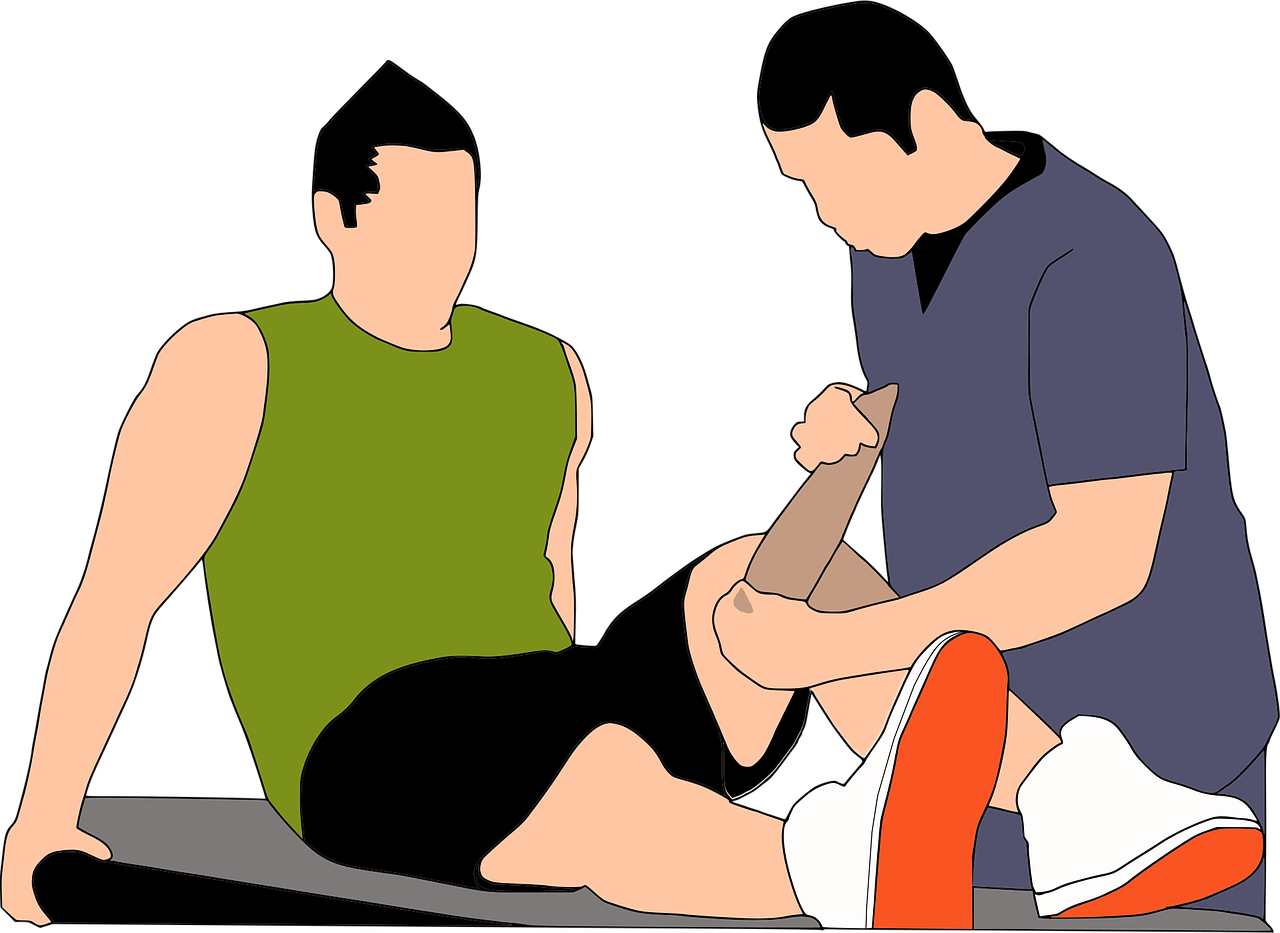
Strength training serves as a fundamental element of prehabilitation strategies for athletes. It is not merely about achieving muscle mass, but rather enhancing overall joint integrity and stability. Focusing on building strength in specific muscles that support major joints can help protect against injury. Programs often incorporate exercises like squats, lunges, and resistance movements that specifically target problematic muscle groups. These exercises increase functional strength that is crucial for athlete success in their respective competitive fields. Additionally, building muscles surrounding areas like the knees, shoulders, or hips promotes resilience, ensuring these high-stress joints can absorb forces better. These improvements directly correlate to faster recovery times by actively engaging the body’s recovery systems. The advantages of strength training do not cease at injury prevention alone; enhanced strength and performance translate to improved athletic competence. Furthermore, working with trainers or physiotherapists knowledgeable in prehabilitation can lead to more effective exercise protocols and personalized plans that are dynamic and adaptable. Such tailored approaches ensure athletes are well-prepared for competitive endeavors whilst employing strategies that honor their unique physiological needs.
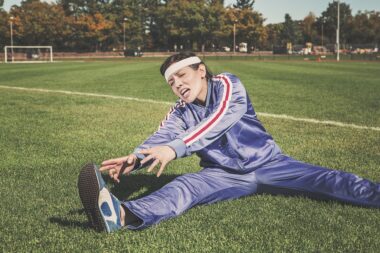
A comprehensive flexibility routine incorporated into prehabilitation programs further accelerates recovery for athletes. Flexibility provides essential range of motion, which is vital for optimal athletic performance. Limber muscles and joints allow for fluid movements, which are crucial during high-intensity training or competition. Stretching techniques can particularly focus on areas prone to tightness, effectively encompassing static, ballistic, and dynamic stretches. Implementing these can reduce the risk of injury by improving overall pliability of muscles and connective tissues. It enhances the recovery process post-activity by increasing blood flow to fatigued muscles, thereby facilitating the removal of metabolic waste. Techniques such as yoga and Pilates also deserve mention; they stress both flexibility and core strength, emphasizing balance alongside mobility. Consistent practice not only fosters longer-term flexibility improvements but also helps athletes mentally unwind from the rigors of competition. The calming effects of these practices can play a vital role in stress management, contributing to a more holistic recovery strategy. Such positive impacts underscore the premise that flexibility training is an intrinsic element of successful prehabilitation for athletes.
Neuromuscular Control Training
Neuromuscular control training is another critical aspect of prehabilitation that athletes often underutilize. It is designed to enhance the communication between the nervous system and the muscles, ensuring cohesive movement patterns. This training focuses on improving balance, coordination, and agility through specially structured exercises. Enhancing these attributes results in better physical performance and a decreased likelihood of sustaining injuries during exertion. Drills such as balance boards and agility ladder workouts encourage rapid adjustments to movements, encompassing elements of proprioception necessary during athletic endeavor. Athletes who commit to neuromuscular control training generally find their body awareness increases markedly. This awareness allows for more precise movements required during competition. Furthermore, incorporating reactive drills that simulate real-game scenarios can make a significant difference in athlete preparedness. These proactive measures in neuromuscular training will ultimately enhance performance while simultaneously minimizing injury risk. The holistic perspective that this training embraces cements its place in any prehabilitation regimen. Athletes can utilize the tools gained from neuromuscular trainings in their sport, supporting their continued growth and faster recovery.
Proper nutrition and hydration play pivotal roles in the effectiveness of prehabilitation strategies. Nutrition fuels the body and aids in recovery processes. Consuming adequate amounts of protein, carbohydrates, and healthy fats ensures that muscles recover optimally after training. Specific nutrients can reduce soreness and inflammation, ultimately allowing for more effective workouts. Adequate hydration is equally as important; it maintains electrolyte balance and supports muscle function. Injuries often occur when the body is not sufficiently hydrated. Therefore, incorporating nutrition education into prehabilitation programs equips athletes with the knowledge to make healthier choices off the field. To facilitate efficient nutrient intake, athletes can consult dieticians who specialize in sports nutrition. Tailored meal plans can help them achieve both short-term recovery and long-term performance goals. Additionally, establishing scheduled nutrient intake pre and post-training sessions can create rhythm that enhances overall results. Nutritional strategies, when aligned with a consistent exercise regimen that emphasizes prehabilitation, contribute to sustained athletic performance. Kindly remember that these dietary choices will be complementary to the physical efforts of prehabilitation and shouldn’t be viewed in isolation.
Mindfulness and Mental Recovery
Equally important in athletic recovery is the role of mental health and mindfulness practices within prehabilitation strategies. An athlete’s psychological state greatly influences their physical capabilities and response to training. Implementing mindfulness practices such as meditation, visualization, or controlled breathing can significantly enhance recovery. These techniques allow athletes to manage stress levels, instill confidence, and focus on their performance goals. Mental recovery is often overlooked yet is equally as vital as physical recovery in prehabilitation. Incorporating discussions about mental states into prehab training helps normalize the focus on psychological well-being. Structured routines that include quick mental check-ins might contribute positively to performance and recovery. This combination of physical and mental strategies can foster resilience, allowing athletes to navigate the emotional ups and downs of competition with ease. Furthermore, team workshops centered on emotional intelligence can equip athletes with tools to communicate frustrations or stressors effectively. The integration of mental wellness protocols reinforces the holistic approach necessary for optimal recovery outcomes. Overall, fostering a balanced relationship between mind and body remains indispensable within the framework of athletic prehabilitation.
This approach ultimately equips athletes with comprehensive strategies for injury prevention and recovery management. Emphasizing prehabilitation means athletes are empowered to take control of their recovery journeys actively. Through implementing strength, flexibility, neuromuscular control, nutrition, and mental strategies, athletes can create a full-spectrum approach to their performance and well-being. The benefits become increasingly evident over time as athletes witness improved resilience against injuries, more efficient recovery rates, and optimized athletic performance. Even the road to recovery becomes less daunting when all aspects from physical preparation to mental fortitude are acknowledged. By taking on a proactive approach, athletes can invest in their future capabilities while also enjoying the processes behind training. Advocating a culture of prehabilitation among coaches and teams can foster shared knowledge and practices, empowering athletes collectively to prioritize recovery. A holistic mindset reinforcing the interconnected nature of physical, nutritional, and mental well-being motivates athletes to engage continually. In conclusion, adopting prehabilitation strategies sets the stage for optimal performance by intertwining physical recovery and mental health initiatives, ultimately transforming how athletes approach their sport.