
Yoga for Flexibility and Mobility During Pregnancy: What You Need to Know
Pregnancy is an incredible journey that brings various physical changes, including joint stiffness and muscle tension. Yoga serves as an excellent tool to enhance flexibility and mobility during this transformative period. Practicing yoga regularly can provide numerous benefits, including alleviating discomfort, preparing the body for labor, and promoting relaxation. It encourages deep breathing, which helps calm the mind while strengthening the connection between mother and baby. Furthermore, specific yoga poses can enhance blood circulation, reducing swelling and fatigue. Safe modifications ensure that expectant mothers can continue their practice comfortably. Ultimately, yoga aimed at flexibility and mobility can significantly contribute to a more supportive pregnancy experience. Before starting any routine, consult a healthcare professional to align the program with individual needs and limitations. Enroll in specialized pregnancy yoga classes focusing on safety and tailored movements. Their experienced guidance can help navigate any uncertainties. Additionally, a supportive community from these classes often provides emotional comfort during these challenging transitions. Always listen to your body, rest when necessary, and enjoy the calming effects of this ancient practice.
Essential Yoga Poses for Expectant Mothers
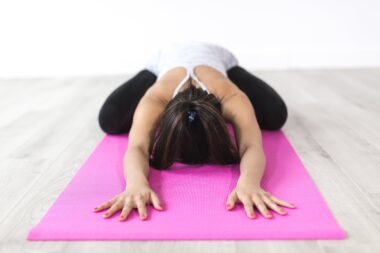
Incorporating specific yoga poses can significantly improve flexibility and mobility during pregnancy. Poses such as cat-cow stretch, child’s pose, and gentle hip openers promote relaxation and relieve tension. The cat-cow stretch, for example, enhances spinal flexibility while providing a soothing rhythm to breathing. Child’s pose allows for stretching the lower back, offering relief to tired muscles. Gentle hip openers, like the pigeon pose, assist in releasing tightness in the hips and pelvis. Each of these poses can be modified according to comfort levels, ensuring safety throughout the session. Moreover, engaging in these practices can foster a deeper awareness of one’s body, helping mothers to respond to their pregnancy intuitively. Regular practice aids in developing core strength, which is pivotal as the body changes. Maintaining mobility throughout pregnancy contributes to easier labor and a swifter postpartum recovery. Additionally, focusing on breathwork during yoga not only calms the mind but also equips mothers with useful techniques for labor. Engaging in a well-rounded practice can make a significant impact on overall well-being during this dynamic period.
As pregnancy progresses, many women experience varying levels of discomfort, making it essential to adapt yoga routines accordingly. Modifications are key to ensure that practices remain safe and enjoyable. Deepening stretches should not be forced and should always remain within comfortable limits. Use props like bolsters, straps, or blocks to assist in poses, alleviating pressure from the body. For instance, a block can help stabilize the balance during standing poses. Prenatal classes often emphasize these adaptations, enabling participants to modify poses for optimum safety. Always prioritize comfort—if a pose feels wrong, it’s crucial to switch to a gentler alternative. Engaging with experienced instructors can provide additional support and variations suited for varying stages of pregnancy. Listening to one’s body is fundamental; during yoga, it’s important to acknowledge when to engage or pull back. Moreover, combining gentle movements with breath awareness supports emotional well-being. Practicing yoga regularly not only fosters physical strength but also nurtures emotional resilience and confidence. Accepting those emotions while making adjustments to practices is essential for creating a fulfilling experience during pregnancy.
The physical benefits of yoga extend into postpartum recovery as well. Engaging in yoga can assist women in regaining strength and flexibility while also addressing any lingering discomfort. Poses focused on core strength and pelvic floor recovery are particularly beneficial. It’s essential to ease back into practice gradually, respecting the body’s pace as it heals post-delivery. Techniques learned during pregnancy can also empower mothers during this phase, allowing for a smoother transition into motherhood. By promoting hormonal balance and mitigating stress, yoga aids emotional stability, further supporting new mothers. This time is often filled with significant changes and adaptations; yoga can provide a reassuring routine amidst the chaos. Practicing mindful breathing techniques learned previously can also guide new mothers through their adjustments, fostering a sense of peace during sometimes overwhelming situations. Expanding on prenatal poses while introducing new movements develops an enriching practice that continues to evolve. Additionally, joining postnatal classes offers community support while reinforcing connection to other mothers. Ultimately, incorporating yoga into both pregnancy and postpartum can fulfill physical and emotional health.
Creating a Home Yoga Space
Establishing a serene home environment for yoga practice can enhance the experience significantly. Choose a quiet area that allows for relaxation and focus, free from distractions. Dedicating a specific space helps create a mental association between that environment and tranquility. Personalize your space with items that inspire calmness: soft lighting, comfortable mats, and soothing music. These elements can help you look forward to your yoga sessions while reinforcing a sense of belonging during this time. Ensuring comfort in temperature and having necessary props within reach can streamline the process. This space doesn’t have to be large; a small corner can be transformed by simple decor and mood-setting items. Each yoga session can progressively become a sanctum for nurturing both body and mind. It is also important to keep the area free from clutter, cultivating a peaceful atmosphere conducive to practice. Engaging with your practice regularly in this space provides consistency, which is incredibly beneficial during varying stages of pregnancy. As you grow more comfortable, explore different styles that resonate with your journey.
Nutrition plays a vital role during pregnancy and should be integrated alongside yoga practice for enhancing flexibility and mobility. A balanced diet contributes to overall well-being, supporting muscles and joints. Consuming nutrient-rich foods such as fruits, vegetables, lean proteins, and whole grains aids in providing essential vitamins and minerals. Staying hydrated is equally important, as it ensures optimal bodily function and eases muscle tension. Integrating yoga practices with mindful eating can enhance awareness of nutritional needs. Many expectant mothers find joy in exploring meal planning as part of their wellness journey, making this an enriching experience. Focus on portion control and eating small, frequent meals to stabilize energy levels throughout the day. Mindful eating can transform mealtime perceptions, turning eating into a source of joy rather than stress. Both yoga and nutrition intertwine beautifully, allowing mothers to cultivate self-care routines that honor their evolving bodies. Engaging with support groups further fosters healthy habits and provides shared experiences. Listening to one’s body during these moments promotes self-awareness and nurtures a strong connection with the baby.
Final Thoughts on Yoga and Pregnancy
Embarking on a yoga journey during pregnancy weaves together flexibility, mobility, and emotional well-being. It enriches the transformative experience by promoting physical comfort while preparing mothers for the upcoming labor. As you explore various poses and establish routines, maintain a focus on safety and comfort. Being patient with oneself is essential; every journey is unique. Whether participating in classes or practicing at home, yoga can be tailored to individual preferences and needs. Embrace the community surrounding pregnancy yoga; connecting with others can provide support and enhance motivation. As you continue your practice, document progress to appreciate growth and development. Engaging with yoga can significantly ease anxieties and promote a more profound connection with your baby. Always remember that it’s okay to adjust and let go of expectations throughout this beautiful journey. Consider speaking with experienced instructors or healthcare professionals to ensure safe practices. Ultimately, the practice of yoga during pregnancy acts as an empowering tool, connecting mothers with strength and peace during this remarkable time.