Balancing Power and Endurance through Kettlebell Training
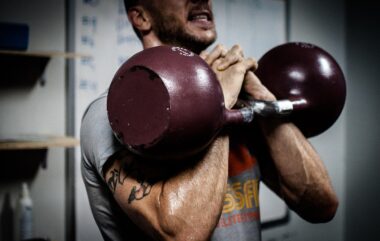
Kettlebell training is an exceptional method for athletes seeking to improve their performance across various sports. Unlike traditional weights, kettlebells force athletes to stabilize their movements while engaging multiple muscles, creating a comprehensive workout that builds strength, power, and endurance. By incorporating swinging, pressing, and squatting movements with kettlebells, athletes can enhance core stability, balance, and coordination essential for competitive sports. This training modality encourages dynamic mobility, often overlooked in sports training, helping athletes to perform better under pressure and in rapidly changing environments. Furthermore, kettlebell training promotes cardiovascular fitness through continuous movement patterns, allowing for efficient workouts that combine both strength and endurance. Athletes can benefit from shorter workout times with increased effectiveness, making kettlebells an appealing option for busy training schedules. Athletes often find that kettlebell workouts can reduce injury risk by strengthening tendons and joints, providing muscle balance and increasing flexibility. This comprehensive approach ensures that athletes enhance their performance in their specific sport while also developing overall fitness and resilience. The time-efficient, versatile nature of kettlebell training is why athletes around the globe are incorporating it into their regular workout routines.
The Unique Benefits of Kettlebell Training
One key advantage of kettlebell training is its ability to engage multiple muscle groups simultaneously. This benefit allows athletes to achieve greater functional strength, simulating movements common in their respective sports. By using a single piece of equipment, kettlebell workouts can improve power output, enhance speed, and contribute to functional fitness. The ballistic nature of kettlebell movements, such as swings, help athletes develop explosive power needed for sports performance. Additionally, the focus on grip strength through kettlebell training translates into improved performance in various athletic endeavors, from combat to ball sports. Kettlebells are particularly effective in enhancing the athlete’s posterior chain including glutes, hamstrings, and lower back. These exercises help to improve overall performance, supporting hip extension crucial in sprinting and jumping. Furthermore, kettlebell training helps enhance endurance through high-rep, circuit-style workouts, promoting cardiovascular health while building muscle endurance. With options for different weights and configurations, kettlebell training caters to athletes of all levels, allowing progressive loading to match growing strength. Safety can be improved by using proper form, with instructors or training videos to guide athletes through kettlebell workouts effectively.
Integrating kettlebell training into an athlete’s routine requires a well-structured approach to ensure optimal results. Athletes should begin with proper instruction to master fundamental movement patterns. This foundation is essential to maximize the effectiveness of kettlebells while minimizing the risk of injury. Starting with lighter weights allows athletes to focus on technique before progressing to heavier kettlebells. Including varied workouts that target different fitness aspects such as strength, endurance, and flexibility enhances overall performance. Athletes can structure their kettlebell workouts using various techniques, for example, combining strength and conditioning within the same session or implementing interval training for increased aerobic capacity. Additionally, including mobility drills ensures athletes maintain flexibility while preventing injuries associated with rigid movements during high-intensity training. Balance and coordination exercises can also be integrated into kettlebell workouts to further enhance athletic performance. Planning these workouts around established training cycles allows athletes to peak at the appropriate time for competitions. The versatility afforded by kettlebells adds an exciting variety to training, thereby boosting an athlete’s motivation while enhancing productivity.
Advanced Techniques in Kettlebell Training
Once foundational skills are mastered, athletes can explore advanced kettlebell techniques to elevate their training. These techniques often incorporate compound movements, which can drastically improve functional strength and performance. Some advanced movements include the Turkish get-up, single-arm snatches, and kettlebell cleans. These complex exercises require a high level of coordination, stability, and strength, making them effective for athletes looking to push their limits. Mastering these movements also contributes to improved body awareness and control, translating into better performance during competition. Another aspect to consider is incorporating kettlebells into specific sport-focused drills aimed at improving strength and speed in relevant movement patterns. Athletes can also benefit from using kettlebells in part of their agility drills, enhancing footwork and quickness. The scalability of kettlebell weights allows for athletes to progress use lighter weights for volume training or increase resistance to focus on strength gains. Furthermore, sessions can be enhanced through a combination of kettlebell workouts with bodyweight exercises or plyometrics, creating varied and challenging circuits. Time under tension principles can also be applied through tempo training for increased strength development.
Athletes must also consider recovery and nutrition to complement kettlebell training effectively. As workouts become physically demanding, prioritizing adequate recovery is essential for muscle growth and preventing burnout. Incorporating rest days, stretching, and mobility exercises aids in muscle recovery, while active recovery days can maintain fitness levels and reduce soreness. Nutrition plays a crucial role; athletes should ensure they consume balanced meals with sufficient protein, carbohydrates, and healthy fats to fuel workouts. The timing of nutrient intake can impact performance and recovery, so focusing on pre-and post-workout meals and snacks is wise. This approach helps to replenish energy sources, promotes muscle recovery, and supports overall health. Hydration remains a vital aspect not to neglect, as adequate fluid intake is necessary for optimal performance and recovery. During high-intensity workouts, electrolytes can also be replaced with appropriate sports drinks, especially for those training for extended periods. Combining nutrients effectively aids in maximizing workout benefits and performance potential. Emphasizing recovery along with proper nutrition creates an environment conducive to realizing training goals.
Measuring Progress in Kettlebell Training
To evaluate progress during kettlebell training, athletes must implement a methodical approach. Setting clear, measurable goals for strength and endurance is essential to provide direction and motivation. Tracking progress over time involves regularly testing max lifts, workout completion times, or the number of repetitions performed with a specific weight. Keeping detailed workout logs allows athletes to monitor improvements, adjust training plans, and stay accountable. Another method to assess improvements is through performance in sport-specific drills, utilizing kettlebell exercises to replace traditional weight training. Observing exercise execution and body mechanics during these movements helps gauge improvement areas. Regular reassessment provides motivation and allows the athlete to fine-tune training cycles efficiently. Additionally, feedback from coaches or training partners can be highly beneficial, offering new perspectives for improvement. It’s essential to recognize that progress may not always correlate to numbers; skills and confidence in kettlebell exercises can enhance, contributing to overall athletic performance. Remembering that recovery milestones are also achievements, being capable of executing movements with ease after a rest period is significant. Overall, embracing a comprehensive view of progress leads to lasting success, combining fitness and performance outcomes.
In conclusion, kettlebell training presents a dynamic blend of strength and endurance training suitable for athletes across various disciplines. Incorporating kettlebells into a training routine offers unique advantages, enhancing both physical performance and functional fitness. Athletes benefit significantly from the versatile nature of kettlebells, integrating power, agility, and endurance into their workouts. The key to success lies in mastering foundational movements and gradually progressing to advanced techniques while maintaining focus on recovery and nutrition. Utilizing the right strategies for measuring progress ensures that athletes can effectively track their performance improvements, making necessary adjustments over time. Moreover, with the increasing popularity of kettlebell training, athletes have exciting resources available, from online courses to community classes. When implemented correctly, kettlebell training becomes not only a method for enhancing sports performance but also a tool for developing lifelong fitness habits. Embracing this training style enables athletes to achieve balanced power and endurance, directly translating to their competitive pursuits. Investing in kettlebell training as an essential tool can elevate an athlete’s performance, setting the stage for achieving new heights in their sporting careers.
A proper understanding of kettlebell training promotes well-rounded development and ongoing performance enhancement. The adaptability of kettlebell exercises supports athletes across various sports, ensuring the diverse athletic community harnesses its benefits optimally. As athletes continue to refine their approach and push their limits, kettlebell training will remain a crucial aspect of their fitness journeys.