
How Bone Structure Influences Flexibility and Movement Capacity
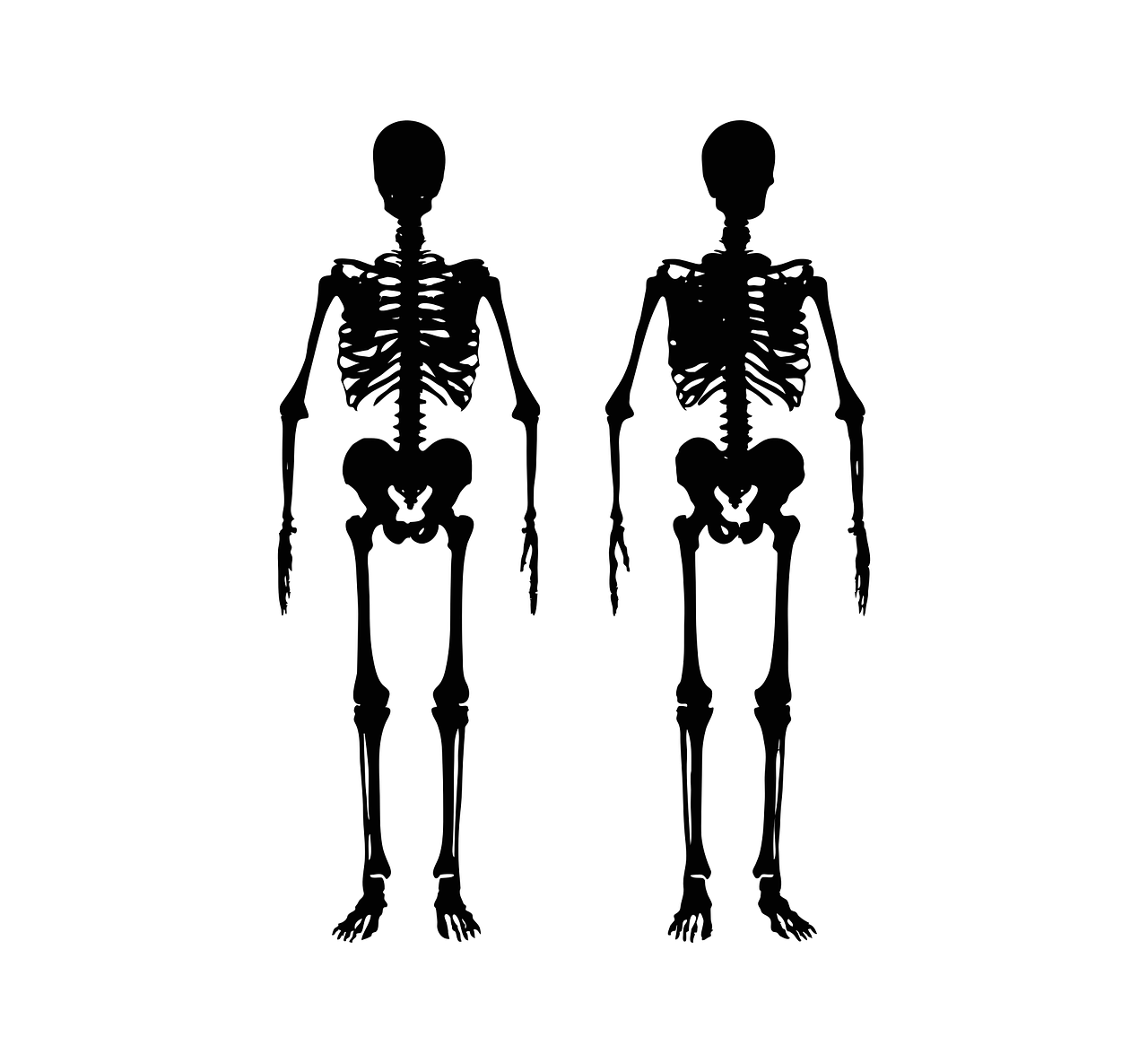
Bone structure plays a critical role in determining both flexibility and movement capacity within the human body. Flexibility, defined as the ability of a joint to move through its full range of motion, is influenced by both the morphology of the bones and the surrounding soft tissues. The anatomical arrangement of joints, including hinge and ball-and-socket types, dictates how limbs and parts connect, ultimately controlling movement dynamics and degrees of freedom. Furthermore, bone density and composition may impact the resilience or pliability necessary for effective flexibility. For example, individuals with denser bones may experience more limited range due to stiffness. However, other factors such as ligaments, tendons, and muscle groups also work synergistically with bones, creating a complex interplay in achieving flexibility. Several sports and physical activities require optimal flexibility for performance; hence, an understanding of these anatomical components can guide training programs. By enhancing proper flexibility through specific exercises, athletes can improve their overall movement efficiency, thereby minimizing injury risk. Therefore, evaluating bone structure is essential for professionals who aim to optimize flexibility in various individuals.
Bone Types and Their Impact
The human skeleton consists of various bone types that reflect adaptation to different functional movements. Long bones, such as the femur, serve as levers in mobility while short bones like the carpals enhance flexibility in the hands. Flat bones, including the scapula, provide surfaces for muscular attachment, influencing how limbs can maneuver. These structural differences directly correlate with the functional capabilities of joints. For instance, the configuration of the hip joint, composed of a ball-and-socket articulation, allows for extensive range in movement. In contrast, the elbow’s hinge formation permits movement primarily in one plane. The variation in joint flexibility can lead to differences in physical performance, particularly in activities requiring both strength and dexterity. Ligaments, which connect bones, can further modify movement allowances, acting as restraints to excessive motion that could lead to injury. Additionally, it’s important to recognize that while bone types are inherent, flexibility can be significantly developed through targeted stretching routines. Therefore, understanding these distinctions helps coaches tailor training to enhance both flexibility and athletic performance across various sports disciplines.
Not only the anatomical structure but also the age of an individual plays a major role in flexibility related to mobility. As individuals age, the composition and structural integrity of bones change, leading to variations in both flexibility and movement. Younger individuals typically possess a greater degree of flexibility, attributed to the higher proportion of collagen and cartilage in their skeletal structure, which allows for more pliability during movements. Conversely, as a person ages, the increase in bone density and loss of tissue elasticity can lead to stiffness, impacting range of motion. Regular physical activity can help mitigate some age-related decreases in flexibility. By engaging in consistent stretching routines, older adults can maintain better mobility, benefiting from improved joint health and stability. Understanding these developmental changes is essential for fitness professionals working with diverse age groups. Programs should be adapted to accommodate the evolving needs of the clients. This adaptability is crucial, especially in senior populations, promoting their muscular strength complemented by sufficient flexibility. Success lies in emphasizing both strength and flexibility to encourage optimal functionality throughout life.
Another central aspect influencing flexibility is the developmental stage during adolescents. Rapid growth experienced during this phase impacts not only bone structure but also the relationships between muscles, tendons, and ligaments. Research suggests that adolescents often experience growing pains, which may be linked to the rapid elongation of bones outpacing the adaptation of soft tissue structures like muscles. This imbalance can result in reduced flexibility, affecting athletic performance and increasing susceptibility to injuries. Teenagers engaged in sports are particularly vulnerable during this growth period, necessitating a focus on properly tailored training programs that promote flexibility alongside strength. To counteract tightness, incorporating dynamic warm-ups and cooldowns formulated for younger athletes is emphatically beneficial. Additionally, educating youths regarding proper mechanics can lay the groundwork for lifelong movement patterns promoting flexibility. As appropriate strength training coupled with flexibility routines is introduced, athletes can enhance their athletic repertoire while minimizing injury risks. Thus, special attention must be placed on developing a holistic approach to flexibility through adequate training techniques during this transformative stage.
The Role of Joint Health in Flexibility
Joint health is pivotal in determining flexibility outcomes influenced by bone structure. Healthy joints enable a greater range of motion necessary for effective movement. Conversely, conditions such as arthritis or joint degeneration can severely restrict flexibility, presenting challenges for individuals seeking to improve mobility. Understanding how bone alignment impacts joint function is crucial; for instance, misalignments may lead to overuse injuries due to compensatory patterns formed during activity. These compensations can further foster muscle imbalances, limiting the optimization of flexibility across various joint articulations. Therefore, maintaining joint health through a balanced approach incorporating strength training and flexibility training is paramount. Activities such as yoga and Pilates are particularly effective in promoting both flexibility and joint health, accommodating a comprehensive range of motion within safe limits. Furthermore, considering the nutritional aspects, such as proper hydration and calcium intake, profoundly impacts bone and joint vitality. Professionals need to encourage practices fostering these elements to enhance movement capability. Thus, understanding the role of joint health within the framework of flexibility provides insights into improving overall physical performance.
Flexibility training consists of qualified exercises designed to enhance overall range of motion, targeting various bodily facets. Incorporating both static and dynamic stretching into routines can significantly improve flexibility throughout an individual’s life. Static stretching involves holding a muscle at its maximum stretch for a period, whereas dynamic stretching consists of controlled movements through the full range of motion. This combination allows for a better optimization of flexibility while contributing to injury prevention. Research indicates that a well-structured flexibility routine can increase blood flow to muscles and enhance neuromuscular control. Professionals should emphasize quality over quantity, recommending sessions tailored specifically to individual needs based on activity demands and existing flexibility levels. For athletes, preparing muscles before engaging in intense movements with a proper warm-up and incorporating a cooldown phase can further optimize flexibility. Recognizing signs of tightness or rigidity can signal the need for increased flexibility focus. Therefore, monitoring progress and adapting flexibility training to evolving physical conditions is essential not only for performance but also for the overall wellbeing of any individual engaging in physical activity. Continual improvement in flexibility can lead to enhanced mobility and functional movement patterns.
Conclusion: Enhancing Mobility Through Flexibility
In conclusion, understanding the intricate relationship between bone structure and flexibility is essential for improving movement capacity. The anatomical design of bones and their interconnectedness shape how effectively an individual can move. Both the inherent properties of bones as well as external factors, including age and physical conditioning, deeply influence flexibility outcomes. Adopting a holistic approach to training, which equally incorporates strength and flexibility elements, is vital for maintaining joint health and mobility. By recognizing the significance of tailored flexibility routines, professionals can enhance athletic performance while minimizing injuries. Additionally, staying vigilant regarding developmental factors during adolescence and aging enables the creation of comprehensive programs addressing specific demographic requirements. As individuals continue to engage in varied activities, encouraging ongoing education on flexibility can facilitate lasting benefits. With proper attention to flexibility development through age-adapted training routines, mobility can greatly improve, enhancing overall quality of life. Therefore, the investment in flexibility not only fosters athletic prowess but also promotes functional independence across the lifespan, making it an essential component of any physical training regimen.
Integration of knowledge regarding bone structure and flexibility is key for optimizing movement capacity. Regular assessment of bone health and flexibility accompanied by appropriate stretching and strengthening exercises can equip practitioners with the tools necessary to maximize benefits for clients. The interplay among bones, joints, and surrounding tissues deserves critical attention in developing effective training programs. This information is invaluable for physical therapists, athletic trainers, and fitness enthusiasts alike striving for enhanced performance outcomes. By fostering a comprehensive understanding of the connections between anatomical structures and flexibility, tailored approaches can be developed, ensuring all individuals reach their full potential in mobility. Therefore, making these considerations a priority not only improves performance but also adheres to promoting longevity in movement capabilities.