
Plyometric Training Tips for Maximizing Weight Loss Results
Plyometric training can significantly enhance your weight loss journey by effectively burning calories and improving your overall fitness level. It consists of high-intensity exercises that engage multiple muscle groups and boost your metabolic rate. Incorporating explosive movements helps in building muscle while also promoting fat loss. Before doing any plyometric workouts, ensure you’re adequately warmed up to prevent injury. Start with basic jump exercises like jump squats or box jumps, leading up to more advanced workouts like depth jumps. The intensity and challenge of your training will help create a greater calorie deficit, a crucial factor for losing weight. Each plyometric session should range from 20 to 30 minutes, allowing for both efficiency and impactful workouts. Staying hydrated before and after your training is key to maintaining energy levels and supporting recovery. Combining plyometrics with resistance training and a balanced diet will maximize your weight loss results. This systematic approach brings about not just aesthetics, but also improved athletic performance over time, fostering a healthier lifestyle for both immediate and long-term benefits.
In addition to structured workout sessions, rest and recovery are paramount in achieving optimal weight loss results. Overdoing plyometric training can lead to increased fatigue and burnout, hindering progress. Ensure that you schedule enough recovery days throughout your exercise routine. This recovery phase allows your muscles to repair, grow, and be ready for your next intense plyometric session. Incorporating active recovery workouts such as light jogging or yoga can also aid in muscle repair. Furthermore, nutrition plays a vital role in your weight loss efforts. Having a nutritious meal plan rich in protein, healthy fats, and carbohydrates will provide the energy required for your workouts. On days when you perform plyometric exercises, focus on consuming post-workout meals rich in protein to aid muscle recovery. Tracking your food intake can help you understand what works best for your body. Implementing supplements like protein shakes might also be beneficial, depending on your goals. Always consult a professional before adding supplements to your diet. This comprehensive approach ensures that your body can recover effectively and maintain consistent progress.
Incorporating variation in your plyometric training can prevent plateaus and keep things interesting. The human body adapts quickly to repetitive movements, which can slow results. To counter this, alternate exercises regularly, focusing on different muscle groups. For instance, mix in lateral jumps, explosive push-ups, or burpees to challenge your body in new ways. Furthermore, adjust your workout intensity by changing jumping heights, distances, or the number of repetitions. Increasing the complexity of exercises can also enhance functionality, making everyday tasks easier. Additionally, consider partnering with a trainer specializing in plyometric training. An expert can provide invaluable guidance, helping to ensure you’re performing each exercise correctly to maximize results while safeguarding against injuries. Effective plyometric routines also involve proper timing, meaning integrating these workouts into your overall fitness regimen strategically. Balance these exercises with cardiovascular workouts and strength training for well-rounded fitness. This not only enhances weight loss results but also boosts surrounding muscle strength and core stability. Using tools such as agility ladders or hurdles during training sessions can also introduce a new element of challenge.
The Importance of Correct Form
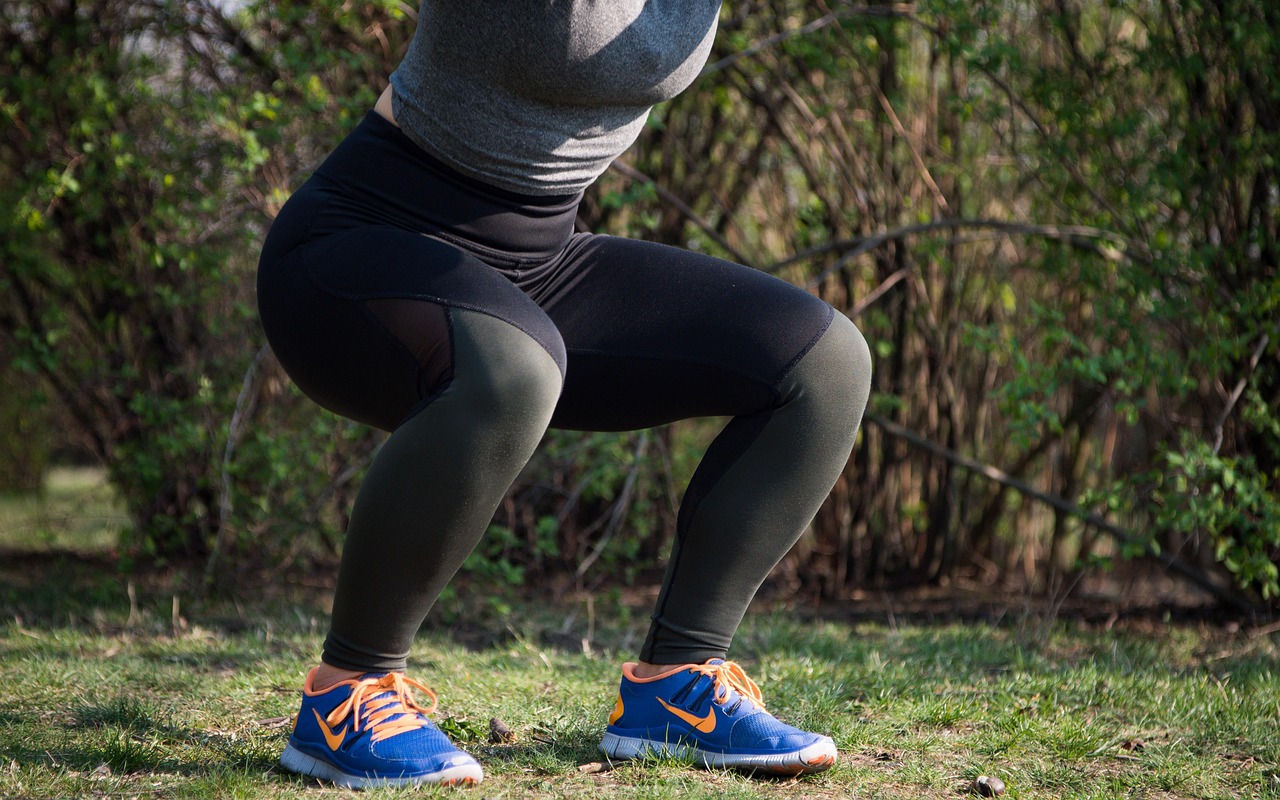
Correct form in plyometric exercises is essential for effectiveness and injury prevention. Prioritizing proper technique ensures you engage the right muscles efficiently while minimizing stress on your joints. When performing jumps, focus on landing softly with a slight bend in your knees. This approach helps absorb impact forces and reduces the risk of injuries, which can derail your weight loss efforts. Pay attention to body alignment; keeping your core engaged during each repetition improves stability and control. If you’re unsure about your form, working with a coach can provide valuable feedback and help you master essential techniques. Video recordings of your workouts can also give you insight into your form and help you make necessary adjustments. Furthermore, consider starting with easier variations before progressing to advanced exercises. Strengthening foundational skills through gentle plyometric movements will build confidence and prepare your body for higher intensity workouts. As you improve, gradually increase workout complexity, ensuring it aligns with your training goals. Focusing on technique promotes better results and enhances the overall enjoyment of your training.
Your mental approach can significantly impact the outcome of your plyometric training for weight loss. Cultivating a positive mindset fosters motivation and enhances overall commitment to your fitness journey. Set realistic and achievable goals to keep your mindset focused and driven. Small, incremental improvements can build confidence over time, inspiring a continued dedication to your workouts. Moreover, consider tracking your progress, whether through a fitness app or workout journal. Documenting completed exercises, sets, and durations makes you accountable and lets you observe how far you have come. Celebrate your accomplishments, no matter how small, as these milestones contribute to your motivation. Engaging with a community, whether online or in-person, provides additional motivation and support. Other individuals on a similar journey can share experiences or offer encouragement. Incorporate mental strategies such as visualization or affirmations into your routines. These approaches can significantly enhance workout performance and frame each exercise positively. A grateful mindset also allows you to appreciate the experience of challenging workouts, creating a strong connection to your goals and maintaining focus on your weight loss objectives.
Nutritional strategies should complement your plyometric training program for effective weight loss. Prioritize whole foods packed with nutrients like fruits, vegetables, lean proteins, and whole grains, as they serve as the foundation of a balanced diet. Timing your meals around your plyometric workouts aids in recovery and energy levels. Consume a balanced meal containing healthy carbohydrates and proteins within two hours of completing your workout. This practice replenishes glycogen stores and helps with muscle recovery. Staying hydrated is crucial, as dehydration can impair physical performance and slow recovery times, ultimately affecting your weight loss results. Track your water intake and aim for at least half your body weight in ounces daily. Consider incorporating healthy snacks like nuts, yogurt, or fruit, which can manage hunger levels and provide additional nourishment throughout the day. Limiting processed foods and sugary snacks is also essential, as they can contribute to weight gain and impede your progress. By focusing on nutrition, you can ensure that your body is well-fueled and ready for the physical demands of plyometric training, enhancing your weight loss journey.
Lastly, consistency remains a pivotal factor in maximizing your weight loss results through plyometric training. Regularly scheduled workouts create new habits and improve muscle memory, allowing your body to adapt more effectively. Strive for at least three to four sessions of plyometric workouts each week, ensuring an appropriate balance of intensity and recovery. Keeping a consistent routine helps in monitoring both physical and mental progress. Adjust your schedule as necessary, factoring in personal commitments or exercise plateaus. Engacement can also be optimized through alternating exercises or adding variations to your workouts. Paying attention to how your body feels is equally important; if you’re tired or experiencing discomfort, take an appropriate rest day. Remember to reassess and set new goals periodically, especially as you reach specific weight loss milestones. A flexible approach enables you to stay on track while adapting to changing circumstances. A successful weight loss journey through plyometric training requires patience, dedication, and resilience. Embrace the process, and enjoy the benefits of improved fitness, stronger muscles, and an energized lifestyle.