
The Importance of Warm-up and Cool-down in Kids’ Gymnastics
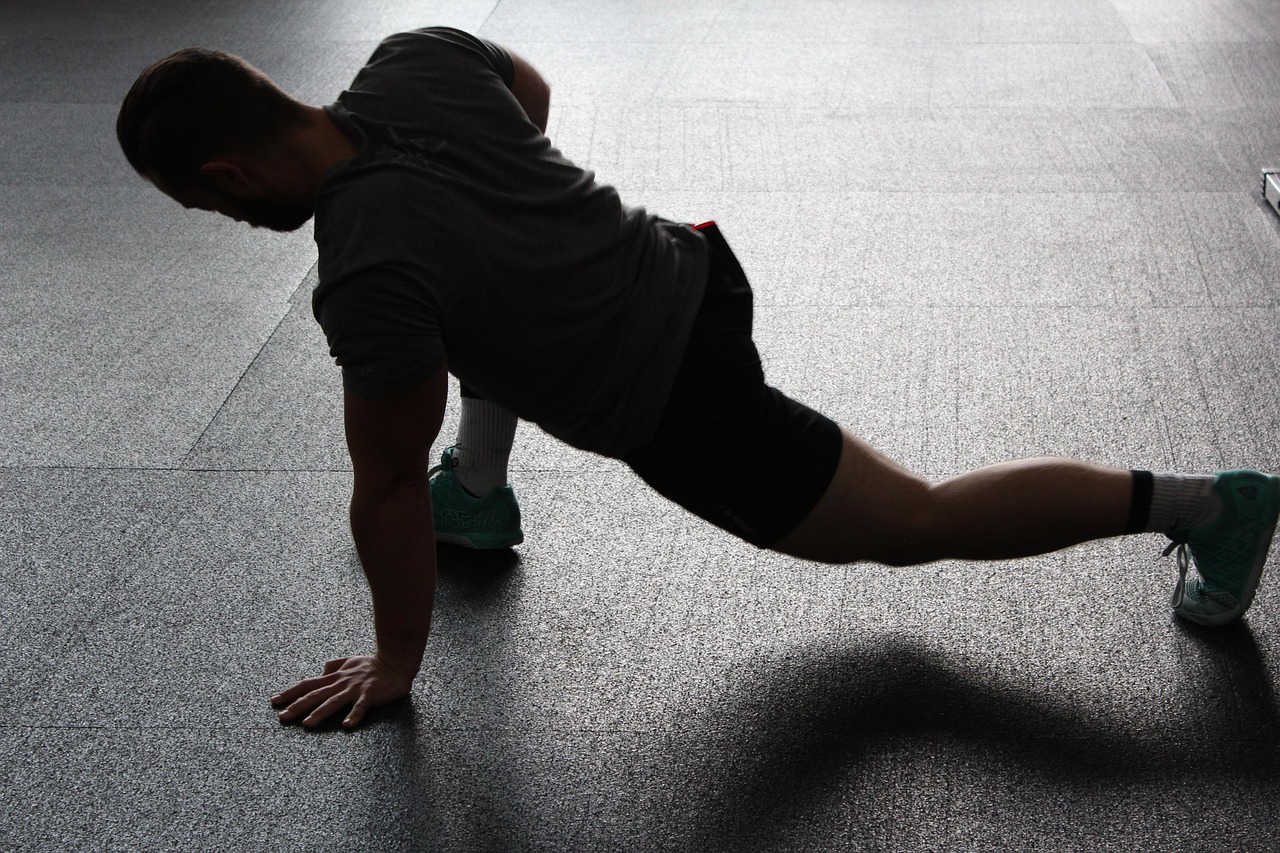
Warm-up exercises are vital in gymnastics for children, ensuring their muscles and joints are prepared for physical activity. A proper warm-up increases blood flow to the muscles, making them more pliable and reducing the risk of injuries, especially in active children. Engaging in dynamic stretches and movements prepares their bodies for the specific demands of gymnastics training. Moreover, a good warm-up helps improve flexibility, essential for executing various gymnastic skills efficiently and effectively. Children should also focus on specific muscle groups used in their routines, fostering an understanding of bodily awareness. Basic cardiovascular exercises, like jogging or jumping jacks, can be interwoven into the warm-up to elevate heart rates gradually. Furthermore, team building is a significant bonus during warm-up sessions, allowing peers to bond through cooperative exercises and games. These activities encourage communication and create a welcoming environment conducive to learning. Ultimately, a well-structured warm-up lays the foundation for successful and safe gymnastics practice, enhancing performance while minimizing the risk of mishaps during routines. By cultivating these habits early on, children can develop lifelong fitness skills, promoting their continued interest in gymnastics.
Warm-ups should last around ten to fifteen minutes, gradually escalating in intensity. Instructors can introduce age-appropriate activities, ensuring every child can participate without feeling overwhelmed. During this phase, children can be taught basic skills like balancing, tumbling, and jumping. Emphasizing the importance of mental preparation is crucial too. Children can learn to visualize their routines and focus on essential techniques. Cool-down exercises, often overlooked, play an equally crucial role after rigorous training sessions. The cool-down is necessary to help the body transition back to rest, preventing dizziness and speeding recovery. After physically demanding routines, children should focus on gentle stretches to relax their muscles. A cool-down also provides an excellent opportunity for reflection, allowing kids to discuss their training experiences. Parents and instructors can foster a positive mindset through this brief moment of relaxation, celebrating achievements and understanding areas for improvement. The ultimate goal is to cultivate a passion for gymnastics while ensuring the children remain safe during their gymnastic activities. Both warm-up and cool-down are essential for fostering a positive environment in every gymnastics session, aligning physical fitness with mental health.
Nurturing Lifelong Fitness Habits
The advantages of warm-up and cool-down routines extend beyond gymnastics. By teaching children these practices early, they learn to appreciate their body’s limits, encouraging responsibility for their health. Developing the habit of preparing for physical activity and unwinding subsequently becomes ingrained in their lifestyles, promoting overall wellness. In active lifestyles, such routines will be beneficial not just in childhood but also as they mature into adults. Kids who practice these routines are more likely to seek ways to engage in sports or fit exercises into their daily lives. It further instills a sense of discipline, as they learn the importance of gradual progression and recovery. They understand that their bodies need care, especially after strenuous exertion. Parents can play a motivational role by emphasizing the advantages of warming up, cooling down, and remaining physically active. Additionally, instructors should foster an atmosphere of encouragement, allowing each child to express themselves throughout the warm-up and cool-down processes. The holistic approach integrates fitness and mental well-being, ensuring every child experiences gymnastics with a sense of joy and purpose, rather than a chore.
In addition to physical health, establishing routine warm-up and cool-down practices promotes social skills among children. Gymnastics requires teamwork, communication, and cooperation, essential life skills. During warm-up activities, kids often participate in partner exercises, enabling them to collaborate and support each other. Children benefit emotionally through encouragement from teammates while also learning respect and camaraderie. Such interactions improve overall mental well-being, helping children deal with pressure more effectively. These moments contribute to building a sense of community within the gym environment, making it an enjoyable and enriching experience. The relationships forged through these sessions can last beyond gymnastics, equipping youngsters with the skills to form bonds in various life situations. As they learn to work with others, the practice heightens peer relationships and creates fond memories. The atmosphere should be one where every child feels accepted and valued regardless of their skill levels. Nurturing positive interpersonal skills is essential for their personal development as they navigate various activities and social scenarios throughout their lives. Increasing their self-esteem will ultimately lead to better performance, both in gymnastics and other areas.
Adapting Warm-up and Cool-down Strategies
Instructors should tailor warm-up and cool-down routines based on children’s varying skill levels and ages. Younger children may benefit from more engaging, game-like activities, while older kids can focus on specific routines or sport-related exercises. This adaptability ensures that all participants remain interested and motivated, preventing feelings of monotony. As kids progress in their gymnastics training, instructors can introduce new techniques to challenge them while ensuring the sessions remain enjoyable. Instead of allowing children to feel overwhelmed by the structure, offering flexibility in execution can make it more inviting. Creative ideas, such as music or themed sessions, can make both activities exciting and inclusive. Safety should remain a top priority, with instructors ensuring routines are done correctly to mitigate injury risk. Additionally, integrating education into warm-up sessions, such as discussing the anatomy of muscles or the significance of good posture, can further engage young athletes. Understanding the body allows children to appreciate why these practices are important, reinforcing the need for commitment and discipline. Ultimately, personalized strategies lead to a balanced experience that nurtures both physical abilities and mental acuity.
The importance of communication cannot be overstated in creating a successful warm-up and cool-down regimen. Instructors need to provide thorough explanations and demonstrations of activities and techniques, ensuring every child comprehends the purpose behind the practices. Open dialogues during sessions invite children to ask questions, expressing their curiosity and thoughts. Embracing feedback can help instructors adjust plans to suit individual needs, fostering growth and improvement in each child. Furthermore, by actively involving students in planning their routines, kids develop their creativity and leadership skills. This collaboration strengthens the gymnastic community, encouraging ownership of fitness routines. Parents can further bolster this communication by discussing goals and reviewing progress after sessions. Family discussions surrounding their child’s experience lead to a deeper understanding, allowing for shared reflections on accomplishments and areas worth improving. Additionally, recognizing accomplishments, no matter how small, helps nurture a child’s enthusiasm for gymnastics, reinforcing their commitment to practice. In turn, this excitement transforms the regular warm-up and cool-down into integral parts of their routine, enhancing overall enjoyment and performance in gymnastics.
Conclusion: Lasting Benefits
The essence of warm-ups and cool-downs in children’s gymnastics extends well beyond physical practice. These routines cultivate a myriad of lasting skills for the young athletes involved. From enhancing physical performance to nurturing social capabilities, every session has a broader impact on a child’s development. As kids learn to care for their bodies, they also foster friendships, learn responsibility, and develop resilience. Ultimately, these experiences shape their understanding of health, wellness, and team dynamics. The emphasis on cool-down routines brings an added layer of mindfulness to the practice, reinforcing a calm and reflective environment. Instructors, supported by engaged parents, play an essential role in instilling appreciation for these practices. Incorporating enjoyable and adaptable routines encourages children to participate willingly. These foundational practices in kids’ gymnastics create habits that aid in their futures, whether in sports, education, or general well-being. As they cultivate an appreciation for physical health, they become enthusiastic about pursuing lifelong fitness. Emphasizing the importance of warm-up and cool-down will inspire future generations of gymnasts who prioritize their health while enjoying what they love.
Overall, introducing and embedding well-structured warm-up and cool-down practices within children’s gymnastics is pivotal. The strategies used should emphasize enjoyment, structure, and safety, ensuring every child receives a positive experience. As instructors guide young gymnasts through these vital routines, they foster environments that encourage teamwork, communication, and self-expression. Every participant should view warm-up and cool-down sessions as opportunities for growth rather than mere obligations. By laying a solid foundation early on, children will form lifelong habits that promote both physical health and mental resilience. They will learn to listen to their bodies and appreciate the importance of preparing for physical activity and recovery thereafter. This holistic approach fuels enthusiasm for gymnastics while instilling essential life skills. As they progress and grow, children who value these practices will likely seek out similar experiences in adulthood, contributing positively to their overall health and society. Therefore, the importance of these routines in gymnastics cannot be underestimated. Investing in children’s fitness experiences now will pay lifelong dividends in terms of health, confidence, and well-being for generations to come, making the journey enjoyable and beneficial for everyone involved.