
The Role of the Six and Seven Seats in Rowing Crews
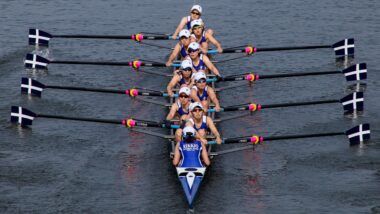
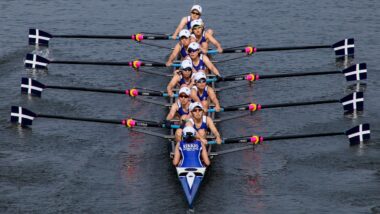
The six and seven seats in rowing crews play crucial roles in ensuring the overall performance and coordination of the boat. These positions are essential for maintaining balance, rhythm, and power during the stroke cycle. In most rowing configurations, the six is usually referred to as the ‘six seat’ and is commonly positioned in the middle of the boat. This position requires a rower who is both powerful and capable of providing stability. Rowers in these seats must have excellent technique to maintain effective strokes. In contrast, the seven seat is located just in front of the eight and acts as a pivotal point where the rower needs to synchronize with the bow pair. Effective communication is vital, as the seven seat influences the tempo and cadence of the crew’s rhythm. Their input helps in adjusting the speed of the boat through subtle changes in stroke rate. Therefore, having rowers in the six and seven seats with strong interpersonal skills enhances the crew’s cohesion and performance. Training is often concentrated towards mastering synchronization between these two critical positions.
Coaching strategies are pivotal in maximizing the effectiveness of the six and seven seats in rowing. Coaches often emphasize the importance of not only individual rowing technique but also teamwork and communication. Training sessions typically include drills aimed at improving synchronization between these two positions. These drills may involve practicing specific patterns or sequences to create a seamless flow during rowing. Moreover, coaches might employ video analysis to help rowers visualize their strokes, positioning, and overall boat dynamics. This feedback cycle allows for real-time adjustments that can lead to improved alignment and efficiency in rowing. Rowers must also develop a deep understanding of their role concerning the bow and stern. The six seat tends to work closely with the five, while the seven collaborates actively with the six as well as the eight. Therefore, fostering communication and trust among these positions becomes paramount. Emphasis is placed on building relationships within the crew during practice sessions and races. Strong interpersonal connections can lead to superior performance outcomes during competitive events by ensuring that everyone is aligned towards a common goal of success.
Physical and Mental Conditioning
The physical and mental conditioning of rowers occupying the six and seven seats is crucial in their development. Rowers in these positions must maintain an exceptional level of fitness, as they are tasked with producing significant power while also controlling the boat’s balance. Moreover, conditions such as race day can introduce stress and pressure, which requires mental fortitude. Rowers need to develop coping strategies to maintain focus and perform at their best under competitive circumstances. Often included as part of training programs are strength and endurance regimens tailored specifically for these middle positions. Such conditioning typically involves weight training, interval training, and endurance rowing activities. Focus on core strength and flexibility exercises is essential for enhancing the power generation capabilities of these rowers. In addition, mental training sessions utilizing visualization techniques can aid athletes in preparing their mindset for races. Many successful crews practice affirmations and mindfulness techniques to enhance concentration. By addressing both physical and mental aspects, rowers can ensure they are better prepared for the demands of their respective roles within the boat.
Another significant aspect related to the six and seven seats involves stroke technique and variations. Rowers must understand how their unique positioning impacts the boat’s overall performance. The six seat typically engages more in powerful strokes aligned with a strong rhythmic foundation, while the seven seat often employs technique aimed at refining and complementing this power. Through experiences in different rowing environments, rowers gain valuable insights that can contribute to refining their technique. This aspect is often addressed in drills focusing on stroke mechanics and power application. Rowers may experiment with various stroke rates to determine optimal efficiency during different phases of a race. An essential part of this experimentation includes the ability to adapt stroke power in response to the changing dynamics of the race. By analyzing performance data, rowers in positions six and seven may identify personal strengths and weaknesses concerning their rowing style. Continuous improvement in stroke execution leads to enhanced performance and consistency. Engaging in diverse training settings enables these rowers to develop the versatility required to excel competitively.
Team Dynamics and Leadership
Effective team dynamics play a significant role in the success of rowing crews, particularly regarding the six and seven seats. Rowers in these positions are often seen as natural leaders due to their proximity to the middle of the boat, which enhances their ability to observe overall crew performance. They are tasked with facilitating communication and ensuring that the crew operates cohesively. Cultivating a harmonious relationship among all crew members leads to improved morale and performance, allowing for a more synchronized rowing experience. Leadership qualities such as decisiveness, empathy, and adaptability are essential for rowers occupying these positions. Emphasizing collaboration through targeted team-building exercises helps strengthen relationships within the crew. For instance, attending training camps or participating in off-water bonding activities can cultivate trust among teammates. Team dynamics can also influence the overall ethos of the crew, encouraging rowers to push beyond their limits. Establishing an inclusive culture fosters encouragement and support among rowers, leading to enhanced motivation and shared commitment to success during races.
For rowers in the six and seven seats, race strategy is a vital consideration. Understanding how to effectively implement strategies during a race can significantly impact outcomes. Races often present unpredictable conditions requiring quick decision-making, adaptability, and collaboration among crew members. The six and seven must maintain an awareness of the boat’s status and timing, as this informs their responses to changes in pace or external variables like competitors. A well-planned strategy may outline an optimal rate of increase as the race progresses, improving competitiveness towards the end. Moreover, having the ability to gauge the crew’s energy levels allows rowers in those positions to recommend adjustments to the stroke rate that can propel the crew forward during critical moments. The importance of strategy often translates into pre-race discussions among team members to align everyone’s expectations. During races, a successful dynamic provides a unified front when navigating challenging circumstances. Ultimately, cohesive teamwork driven by strategic insight among the six and seven positions can create a tactical advantage in highly competitive environments.
Conclusion and Future Directions
In conclusion, the roles of the six and seven seats in rowing crews are foundational to crew performance. These positions not only influence the technical aspects of rowing but also play a significant part in fostering team dynamics and strategic planning. Developing strong coordination, interpersonal communication, and adaptive techniques remains key elements in the training of rowers occupying these seats. As the sport evolves, continual refinement of training methodologies will support the development of future athletes. Innovational approaches to conditioning, mental toughness training, and strategic planning are increasingly necessary for staying ahead in the competitive landscape. Progress within these roles can lead to improved performance and success in both local and international competitions. Rethinking conventional training paradigms can enhance the skills and capabilities of rowers. In the coming years, the sport may witness a rise in technology-assisted training and analytics as tools for assessing individual performance metrics. This evolution can help rowers understand their impacts on overall team success more effectively. Fostering pioneering approaches will undoubtedly pave the way for future excellence in rowing, particularly to elevate the six and seven seat rowers toward new heights.