
Combining Jumps and Spins: Dynamic Inline Skating Street Tricks
Inline skating offers a thrilling combination of jumps and spins, which can be beautifully blended into street tricks. To master these dynamic techniques, one must first understand their foundational skills. Concentrating on balance, control, and proper form is essential in executing jumps and spins effectively. Beginners should start by practicing basic moves to build confidence and improve core skills. Safety gear is crucial for those attempting stunts, as injuries can occur if techniques are not executed properly. Developing a solid approach to the various tricks enhances not only individual skill but also overall enjoyment. Inline skating in the street environment provides diverse obstacles, including stairs, ledges, and railings. Utilizing these aids allows for creative expression and progression in abilities. Skaters can adapt their techniques to various settings, making street skating both exciting and challenging. Ultimately, the key is to practice consistently and progressively enhance your skill set, as this is vital for performing jumps and spins seamlessly. Inline skating not only improves fitness but also fosters a sense of community among enthusiasts, encouraging camaraderie.
Successfully landing jumps requires careful planning, proper technique, and mental focus. Start with foundational skills like basic jumps, ensuring to develop a strong sense of height and distance awareness. To perform jumps effectively, skaters need to utilize a crouched position as they prepare for takeoff; this position allows for better height and power during the jump. As skaters ascend, maintaining a compact form will help in controlling their trajectory. This is where spins come into play, as they enhance the visual appeal of jumps. As skaters gain experience, they can experiment with various spins, such as 180s and 360s, adding complexity to their moves. Landing safely after executing a trick is as important as the jump itself; skaters should aim for a balanced descent to prevent falls and injuries. Throughout practice, working on landing mechanics continues to improve overall skills. Refining both jumps and spins takes time and effort, so it’s essential to remain patient throughout the learning process. Regular feedback from peers or coaches can aid in recognizing aspects of technique to improve, which can greatly enhance overall performance.
Mastering Spin Techniques
The spin is a crucial element in inline skating tricks that elevates performance quality. A successful spin requires timing, technique, and confidence. To master spin techniques, it’s advisable to break down the movement into smaller parts. Focus on initiating the spin by pivoting on a single foot, which creates momentum. Scooping the leg back toward the body allows for rotational speed and balance. Positioning the arms can also help achieve better stability during spins; use them to control your center of gravity, preventing dizziness. Consistent practice of simple spins aids in developing more complex variations later on. As skaters progress, they can incorporate spins into jumps for an exciting combination of tricks. Blending spins with jumps allows for artistic expression and adds an edge to a skater’s repertoire. Learning how to land spins smoothly ensures a seamless transition into the next trick while maintaining momentum. Moreover, skaters should film their sessions to analyze their spin technique objectively. Constructive critique will highlight key areas for improvement and boost overall skill development during practice sessions.
When it comes to combining jumps and spins, synchronization plays a vital role. Achieving a smooth transition between these elements requires practice and precision. One effective method for mastering this coordination is to practice each component separately before bringing them together. Establishing a rhythm is essential as it helps within timing for executing jumps and following spins. Focusing on how to prepare and initiate your jump will inform your entries into the spin. Skaters should remember to carry their speed through the jump to maintain momentum for initiating a spin. After successfully executing a spin, aiming to fuse the landing into a seamless continuation of movement is essential for flow. Being aware of your surroundings and obstacles can also affect how effectively you execute these combined tricks. Developing a keen spatial awareness instills greater confidence in a skater’s abilities. As skills progress, working with a fellow skater can facilitate learning, as both individuals can share techniques and encourage one another. Mutual support helps maintain motivation, fostering a sense of community that promotes learning, which benefits all involved.
Essential Gear for Inline Skating
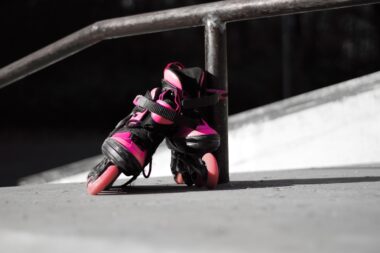
Choosing the right gear is a pivotal aspect of developing skills in inline skating. Optimal shoe fit, support, and wheel quality significantly impact performance during jumps and spins. Inline skates should provide robust ankle support for greater stability, which is critical when attempting higher tricks. Wheels must be selected based on surface type, with hard wheels suitable for street skating. Moreover, bearings play a crucial role in providing smooth gliding and enabling skaters to maintain momentum during tricks. Protective gear like helmets, knee pads, and wrist guards significantly decreases the risk of injury while performing stunts. Make sure to invest in high-quality equipment, as this enhances safety and overall skating experience. When performing dynamic tricks, wearing comfortable clothing allows for greater movement freedom. Fashionable apparel can boost confidence while skating, creating a fun vibe during practice or performances. Additionally, regular maintenance of equipment helps prolong its lifespan, so routine checks are advisable. A well-maintained setup not only performs better but also enhances overall skate safety. Infusing personal style into gear and technique allows individuality while contributing to the vibrant inline skating culture.
As skaters refine their jumping and spinning skills, they may begin to notice areas needing improvement. Gathering feedback from peers or coaches can enhance the learning journey. It’s vital to constructively critique your technique, identifying specific movements and transitions that require adjustment. Skaters should remain open-minded to suggestions, as new perspectives can lead to breakthroughs in skill development. Utilize video analysis for self-assessment, allowing skaters to view their form during jumps and spins from various angles. Documenting progress helps set achievable goals, leading to more focused practice sessions. Setting incremental milestones cultivates motivation and encourages a long-term commitment to improvement. Another way to remain motivated is to participate in local skating events or competitions, showcasing your skills and meeting other skaters. This interaction can introduce new techniques, fostering inspiration to improve. As new tricks are mastered, skaters should focus on maintaining a balance throughout their flow. Consistency is key, as it transforms skills into muscle memory, paving the way for effortless execution of jumps and spins. Forming a supportive skating community enhances personal development and creates a thrilling atmosphere to share experiences.
Conclusion: Embracing the Flow of Inline Skating
In conclusion, combining jumps and spins is a multifaceted journey in the realm of inline skating. The exhilarating feeling of landing a trick embodies the essence of street skating. Mastering these dynamic moves enhances individual style, fosters personal growth, and cultivates camaraderie among fellow skaters. Approaching inline skating with the right mindset encourages continual discovery and adaptation. Focus on foundational skills while gradually introducing more complex tricks. The thrill of performing jumps integrated with spins offers unique challenges and opportunities. Consistent practice and dedication will ultimately bear fruit as skaters push their limits, learning valuable lessons along the way. Engaging in friendly competitions or local events creates a vibrant culture of mutual support and shared passion for the sport. Remember that maintaining safety is paramount while pursuing more advanced tricks. Embrace the journey of inline skating, taking the time to celebrate personal achievements and improvements. As devices and techniques evolve, so do the possibilities for innovation within the sport. Inline skating fosters a community where creativity and expression come alive. Thus, embrace the ride, and leave behind a trail of fantastic performances that inspire others.
Inline skating not only challenges your physical capabilities, but also enhances your mental focus. As you engage in various tricks, especially jumps and spins, your concentration levels deepen, promoting quick thinking and adaptability.