
Diaphragmatic Breathing Techniques to Enhance CrossFit Recovery
In CrossFit, recovery methods are just as important as training sessions, contributing to performance improvement and injury prevention. Diaphragmatic breathing techniques play a critical role in promoting efficient recovery. This breathing approach encourages deeper inhalation and exhalation, allowing more oxygen to enter the lungs and subsequently the bloodstream. Improved oxygen flow leads to better muscle recovery by facilitating nutrient transport while removing waste products like carbon dioxide. Incorporating diaphragmatic breathing into your routine can greatly enhance physical adaptation, resilience, and overall performance.
A common misconception is that proper breathing is merely a natural process; however, it requires technique and practice. Most people tend to breathe shallowly from their chest, which is less effective. Diaphragmatic breathing engages the diaphragm, a dome-shaped muscle that should contract and expand significantly as you breathe. To practice this technique, place a hand on your chest and the other on your abdomen. Inhale through your nose, ensuring that your abdomen rises more than your chest. Exhale slowly, ideally through pursed lips. Repeat this for several minutes, focusing on slow, deep breaths. Over time, your body will adapt to this better breathing pattern.
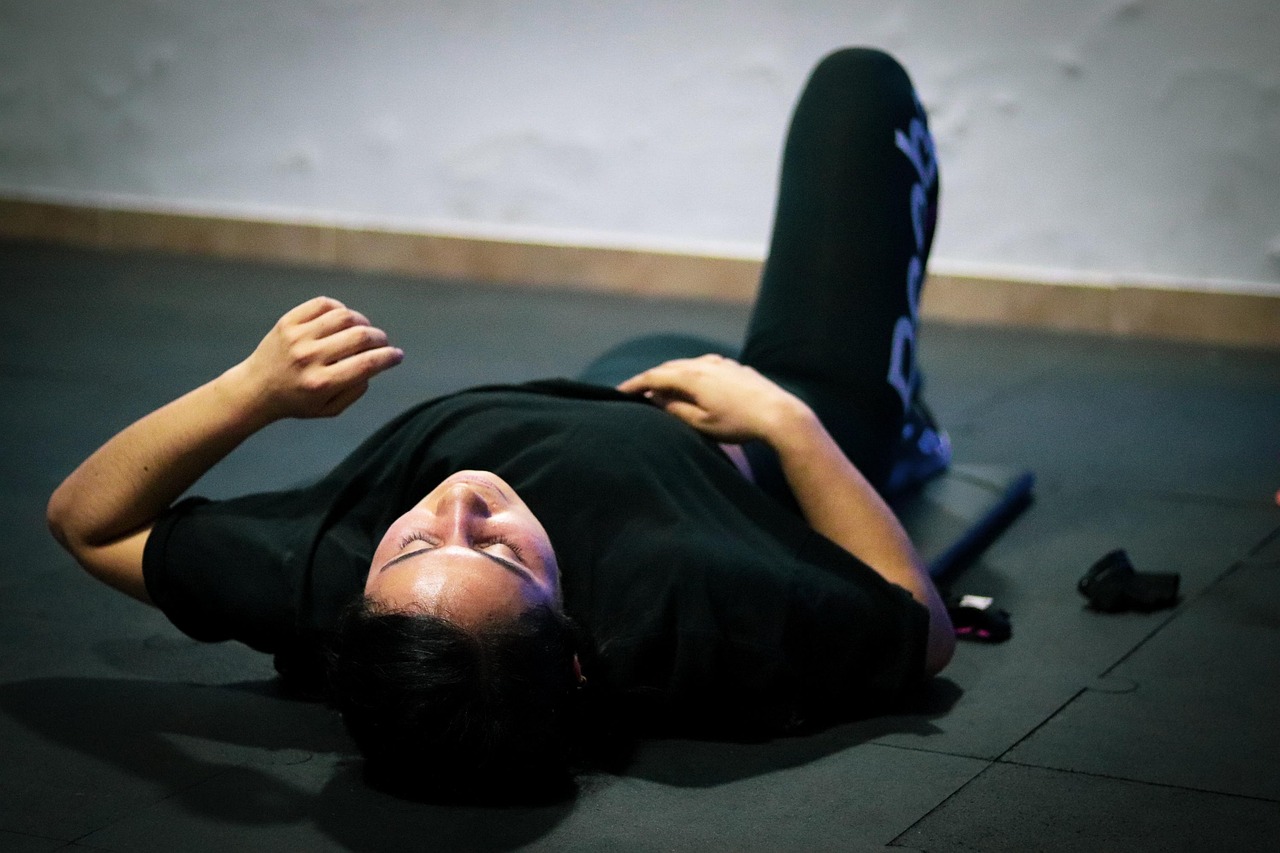
Integrating conscious breathing into post-workout recovery sessions can greatly enhance relaxation and regeneration. After a strenuous CrossFit workout, incorporating diaphragmatic breathing techniques can signal your body to activate its parasympathetic nervous system. This system is responsible for relaxation, recovery, and restorative functions. Lying down comfortably, concentrate on slow, deep breaths. Inhale for a count of four, hold for four, and exhale for six. This not only encourages muscle relaxation but also decreases heart rate and promotes mental clarity. You can incorporate calming music or guided meditation into this process to enhance relaxation further.
Benefits of Diaphragmatic Breathing for Recovery
The benefits of diaphragmatic breathing for CrossFit recovery extend beyond mere relaxation. This technique can reduce cortisol levels, a hormone linked to stress, which can be detrimental if increased during training. Lower cortisol levels help mitigate the negative impacts of stress, allowing your body to heal more effectively post-workout. Additionally, improved oxygenation enhances endurance and stamina, vital attributes for high-intensity workouts. Nutrient delivery to muscles is also optimized, helping with hydration and glycogen replenishment. Ultimately, this leads to improved performance in future workouts, demonstrating the holistic benefits of diaphragmatic breathing.
Furthermore, diaphragmatic breathing can be a powerful tool in pain management and injury prevention. Engaging the diaphragm helps activate stabilizing muscles and reduce tension in the upper body. In doing so, it diminishes the strain on injured or overworked muscles by improving posture and alignment. Consistent practice can help alleviate chronic pain associated with exhaustion or overexertion, allowing athletes to push harder while minimizing the risk of injury. This capacity for injury prevention is crucial for competitive athletes like those involved in CrossFit, where injuries can often stem from poor movement patterns and inadequate recovery strategies.
Another significant aspect of diaphragmatic breathing involves mental health and focus. Often, high-intensity workouts can stimulate anxiety or mental fatigue. By incorporating breathing exercises, CrossFit athletes can cultivate a mindset that fosters improved mental clarity and stress resilience. The rhythmic nature of targeted breathing practices promotes mindfulness, anchoring the mind during chaotic competitive events or strenuous training sessions. Enhanced mental focus leads to better performance metrics and an overall boost in self-confidence during workouts and competitions. Consequently, athletes can better achieve their fitness goals, making diaphragmatic breathing an invaluable component of their training regimens.
Practical Tips for Implementing Diaphragmatic Breathing
To effectively implement diaphragmatic breathing into your training routine, consistency and commitment are essential. Begin by setting aside a few minutes daily dedicated solely to practice. Utilize these moments in various settings such as post-workout cooldowns, during workouts to regain control or before bed to enhance sleep quality. Furthermore, consider utilizing supportive tools like yoga, Pilates, or guided meditations to reinforce proper breathing techniques. Aim for at least five minutes of practice each day to experience substantial benefits. Building this habit takes time, so remain patient and persistent.
In conclusion, mastering diaphragmatic breathing techniques can significantly enhance recovery, performance, and overall well-being for CrossFit athletes. By focusing on deep, controlled breathing, practitioners stand to benefit not only from improved oxygenation and physical recovery but also from mental fortitude and resiliency. Prioritizing such techniques can help individuals achieve their maximum potential within their CrossFit journeys. Consider weaving these practices into your existing routines to explore their remarkable benefits further. As you progress in your training, remember that recovery is just as crucial as the effort exerted during workouts, so embrace diaphragmatic breathing for optimal results.