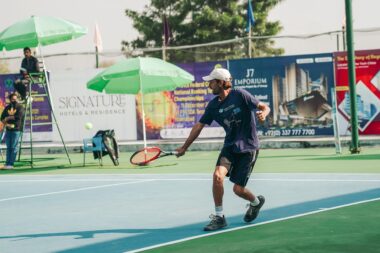

Gym Routines Designed for Tennis Fitness
Training for tennis requires a focused gym routine tailored specifically to enhance your performance on the court. The goal is to improve strength, agility, endurance, and coordination. An effective tennis workout should meticulously integrate a mixture of cardiovascular activities, resistance training, and flexibility exercises. This structured approach not only enhances your overall fitness but also builds a solid foundation for skill development in tennis. Remember, a key component of any workout regime is consistency — sticking to your routine will yield the best results. Incorporate specific exercises that mimic the physical demands of tennis, such as lunges and medicine ball tosses to replicate explosive movements. This targeted training approach strengthens the muscles used during matches. A combination of weight training and plyometrics can also significantly increase your power. Don’t underestimate the importance of a warm-up routine; it prevents injuries and prepares your muscles for strenuous activity. Lastly, ensure your workout includes cooldown stretches to improve your flexibility and recovery time, keeping your muscles in optimal condition for future sessions and matches. Develop a balanced routine that focuses on all these components to maximize your tennis fitness journey.
The Importance of Strength Training in Tennis
Strength training plays a pivotal role in enhancing one’s performance on the tennis court. For athletes looking to elevate their game, focusing on core stability and upper body strength is essential. A well-designed strength program can amplify serving power and increase overall stroke force. Compound movements like squats, deadlifts, and bench presses engage multiple muscle groups effectively. Furthermore, resistance training can prevent injuries by fortifying ligaments and tendon structures around joints, which are often stressed during gameplay. Use free weights, resistance bands, or gym machines to build targeted strength. Aim for a routine consisting of 2-3 strength sessions weekly, allowing adequate recovery time between sessions. Include exercises that improve grip strength, which is critical for racquet control. Approach your training with progressive overload to continually challenge your muscles, encouraging growth and strength improvement. Tennis players can greatly benefit from incorporating explosive lifting movements that simulate the rapid, forceful actions performed during matches. To enhance muscular endurance, integrate circuit training with higher repetitions while maintaining moderate weights. Overall, strength training is a fundamental component of an effective fitness regimen for serious tennis players.
Cardio fitness is incredibly important for tennis players, given the sport’s physically demanding nature. Developing your aerobic and anaerobic endurance helps you maintain high performance throughout long matches. For tennis, incorporate a variety of cardiovascular workouts like running, cycling, and interval training to boost heart rate and lung capacity. High-intensity interval training (HIIT) is particularly effective as it mimics the stop-and-start nature of tennis play. Designate 2-3 sessions a week to focus solely on cardio fitness while ensuring you balance this with your strength and flexibility routines. Effective cardio workouts should range from 20 to 40 minutes, including both steady-state and interval sprints. Consistency is key in building endurance; progressively increase your workout intensity and duration over time. Also, consider incorporating agility drills that enhance lateral movement capabilities. Using equipment like cone drills or ladder drills helps improve footwork and speed, crucial attributes for successful play. Hydration and nutrition also significantly affect endurance levels during play. Remember to listen to your body and adjust your training plan as necessary to ensure optimal performance while preventing burnout or injury.
Flexibility and Mobility: Key Factors in Performance
In tennis, flexibility and mobility are often overlooked, yet they are essential for peak performance. Improved flexibility augments range of motion in various strokes, reducing the risk of muscle strain. Incorporate dynamic stretching exercises before hitting the gym or the court to prepare your muscles effectively. Activities such as yoga can enhance flexibility while simultaneously promoting balance and mental focus. Dedicated stretching sessions should follow every workout, concentrating on key muscle groups used in tennis. Tight muscles can negatively impact your swing and footwork; therefore, maintaining flexibility is crucial. Regular mobility exercises enhance joint function, allowing smoother transitions during fast-paced play. Include foam rolling as part of your cooldown routine to facilitate muscle recovery. Flexibility training can also elevate your overall athletic performance, as it directly affects your speed and power. Focus on both static and dynamic stretches tailored to the specific movements in tennis, such as lunges, arm circles, and torso twists. By integrating flexibility, mobility, and stretching into your regimen, you create a well-rounded fitness program designed specifically for tennis athletes, improving your capacity to perform effectively in competitive matches.
Nutrition and hydration play a significant role in supporting a tennis fitness routine. Proper dietary choices can greatly affect energy levels and recovery rates. Focus on a balanced diet rich in carbohydrates, proteins, and healthy fats to fuel your training sessions and matches effectively. Carbs provide energy, essential for high-intensity exercise, while proteins support muscle repair and growth. It’s vital to consume adequate vitamins and minerals to optimize performance and recovery. Incorporate colorful fruits and vegetables that provide essential nutrients. Additionally, hydration is crucial; dehydration can hinder performance and increase the risk of injury. Develop a hydration strategy that includes water and electrolyte-replenishing beverages, especially during long workouts. Recovery meals post-exercise should be rich in carbs and protein, aiding muscle recovery and energy replenishment. Plan your meals and snacks around training times to maintain consistent energy levels throughout the day. Listen to your body’s hunger signals and adjust your intake based on your activity levels. Implementing a nutritional strategy paves the way for improved strength, endurance, and overall athletic performance on the tennis court.
Combining Workouts and On-Court Practice
Integrating your gym workouts with regular on-court practice is crucial for developing comprehensive tennis skills. Set aside specific times for both gym workouts and tennis drills to create a balanced fitness program. This integrated approach allows your body to adapt to the specific demands of match play while maintaining a solid fitness routine. Aim to touch the court several times a week, alternating between practice sessions and gym workouts. During practice, focus on skills such as serving, volleying, and footwork drills that complement your workouts. Utilize high-intensity training on-court to simulate match scenarios and build endurance. Regularly assess your on-court performance to identify areas where your fitness can improve. It’s also beneficial to engage in match play to gauge your conditioning and tactics in a competitive environment. Using the gym to enhance physical aspects, such as strength and cardio, directly translates to improved on-court performance. This synergy between training and play helps to ensure you remain competitive, resilient, and in optimal condition during games.
Setting realistic, measurable goals is essential for success in your tennis fitness journey. Establishing specific targets will help maintain your motivation and focus throughout your training program. Break goals into short-term and long-term objectives to track progress effectively. Short-term goals might include improving your squat strength or achieving a specific running speed, while long-term ambitions may focus on enhancing overall game performance or winning a local tournament. Regularly assess your achievements against these goals and adjust your workout routines as necessary. Collaborate with a coach or fitness trainer for personalized guidance tailored to your abilities. Incorporating feedback can enhance your performance and help refine your skills and fitness levels. Use fitness trackers or apps to monitor progress and stay motivated throughout your journey. Celebrate successes, no matter how minor, as each step forward contributes to your overall fitness and tennis performance. Remember, patience and resilience are vital in this process. As you work towards achieving your goals, maintain a positive mindset throughout your training, enabling you to enjoy the journey while striving for excellence.
In conclusion, developing a gym workout routine specifically designed for tennis fitness is essential to enhance your performance on the court. Consider all aspects: strength, cardio fitness, flexibility, and proper nutrition. Each component plays a vital role in achieving a well-rounded and effective training regiment. Focus on exercises that replicate the movements used in tennis and foster agility, coordination, and endurance. A consistent approach ensures improvement over time, as does the integration of on-court practice with gym sessions. Regularly assess your progress through training logs or consultations with fitness professionals. This iterative process keeps you motivated and on track to reach your full potential. Nutrition and hydration can further support your training efforts, allowing for optimal recovery and performance during play. Lastly, set realistic goals and adopt a positive attitude throughout your journey. With disciplined training, targeted workouts, and ongoing evaluation, you can significantly enhance your tennis fitness levels. Embrace the process, stay committed to improvement, and enjoy the remarkable benefits of your dedicated tennis fitness program—both on-court and in fitness.