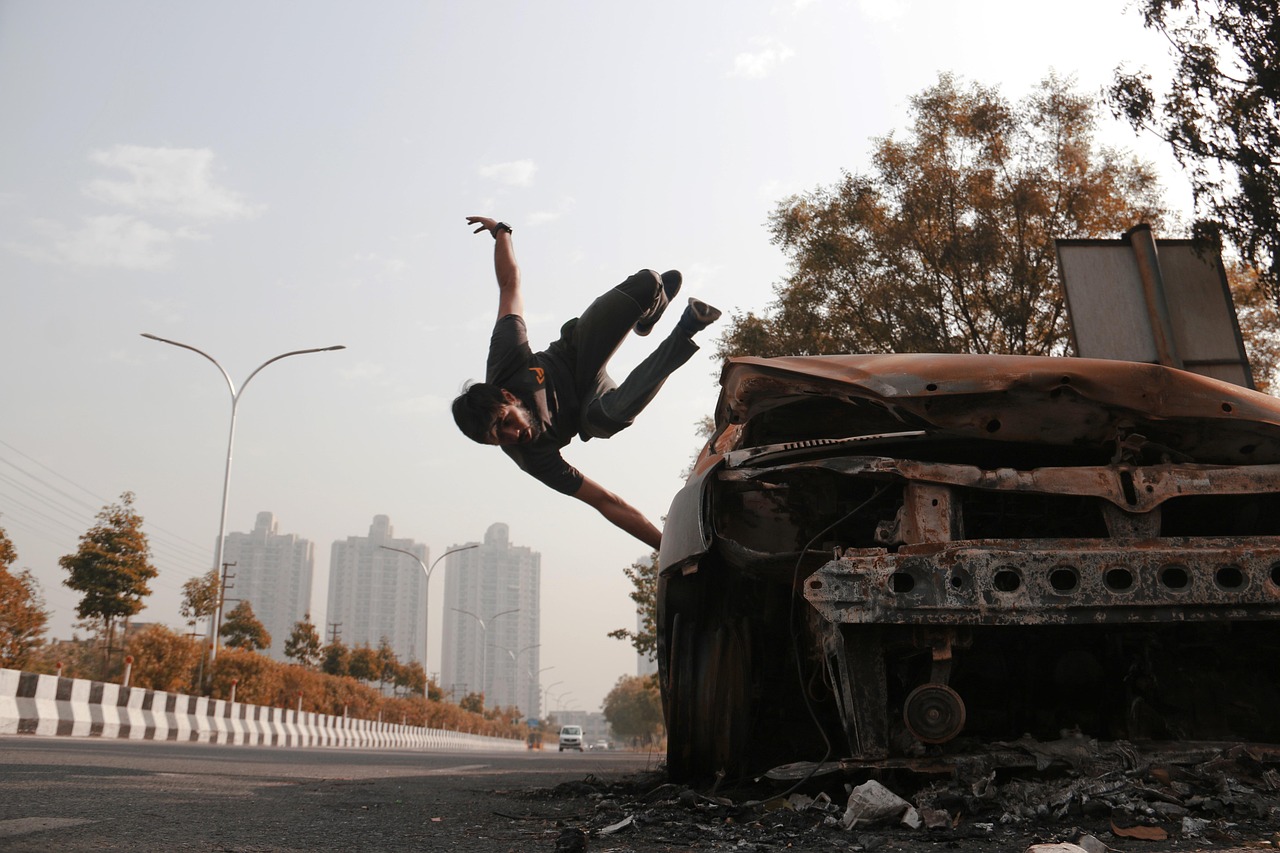

How Cross-Training Improves Coordination and Balance in Parkour
Cross-training is vital for parkour enthusiasts, enhancing essential skills such as coordination and balance. Engaging in activities outside of traditional parkour practices can help develop strength, flexibility, and overall body awareness. Various training techniques target specific muscle groups and movement patterns, cultivating a greater sense of control during parkour maneuvers. For instance, including gymnastics in your routine can significantly enhance your acrobatic capabilities. Climbing and swimming are also effective methods to improve your core strength and flexibility. Combining different training modalities can create a more well-rounded athlete, one who can navigate obstacles fluidly and safely. Additionally, incorporating strength training, such as weightlifting or resistance training, supports muscle growth, ultimately aiding in performing parkour more efficiently. A diverse training approach fosters adaptability, as each sport requires unique skills and body mechanics. By engaging in cross-training, athletes can avoid plateaus and injuries related to overuse. Moreover, this varied approach to fitness keeps the training experience enjoyable and motivating, critical for maintaining long-term commitment. Ultimately, cross-training provides a strategic advantage on the journey to mastering parkour.
Coordination is a crucial component of parkour, and cross-training can foster it through interactive movements. Activities such as dance, martial arts, and even team sports sharpen your ability to control body movements. Dance, in particular, encourages rhythm, timing, and spatial awareness. These skills translate seamlessly to parkour, allowing practitioners to execute fluid, artistic movements with precision. In martial arts, techniques focus on balance and body control, equipping athletes with the tools necessary to navigate complex parkour moves with ease. Team sports also develop quick decision-making skills and reflexes. As participants learn to react to teammates and opponents, they cultivate better coordination while building teamwork and communication skills. Engaging in these diverse activities helps parkour practitioners diversify their responses to obstacles. In addition, developing hand-eye coordination is essential for maintaining balance during complex movements. This skill is key not only for executing jumps and flips but also for landings. Expanding your physical capabilities through varied workouts will create a stronger foundation for your parkour journey. Consequently, incorporating various coordination-focused activities can significantly boost your overall performance and efficiency in parkour. Sustainability and creativity flourishes through a cross-training approach.
Balance, another essential aspect of parkour performance, can greatly improve through the right cross-training exercises. Engaging in balance-oriented workouts fosters stability during complex maneuvers, crucial for maintaining control. Exercises like yoga and Pilates emphasize core strength, body alignment, and flexibility, which all contribute to better balance. Practicing these disciplines allows parkour enthusiasts to enhance proprioception, the body’s ability to perceive its position in space. This skill is vital when navigating obstacles and executing directed movements. Within yoga sessions, balancing poses such as tree pose or warrior III cultivate not only physical endurance but also mental focus. Improved balance ultimately results in safer landings and dynamic parkour exploration. Outdoor activities like slacklining or surfing can also sharpen balance skills, as they demand precise body movements and adaptations to changing environments. By engaging in these activities, practitioners strengthen their stabilizing muscles, providing a solid groundwork for executing parkour efficiently. Incorporating balance training into your routine helps minimize the risk of injuries greatly. Athletes who prioritize balance training are more likely to excel in showcasing advanced tricks. Therefore, including balance exercises, as part of a comprehensive cross-training plan, enables improved parkour performance.
The Role of Strength Training
Strength training is another critical aspect of cross-training for parkour. Developing functional strength—opposed to just gaining muscle mass—can significantly impact your parkour performance. Functional strength refers to the ability to use muscles effectively during various movements. Exercises such as squats, deadlifts, and power cleans build muscle groups that parkour relies on heavily. Building strength in these areas enables you to perform advanced moves safely and confidently. Moreover, strength training helps prevent injuries by promoting muscle resilience. A well-strengthened body can better withstand the impact of jumps and falls associated with parkour practice. This strength allows you to land properly and recover quickly from strenuous movements. Core workouts, including planks and hang leg raises, are exceptionally beneficial for parkour practitioners. A strong core stabilizes the entire body, crucial for executing fluid movements effectively. Overall, an emphasis on strength training empowers athletes, providing the necessary foundation to refine their parkour techniques. Without doubt, incorporating strength training into your workout regime will enhance balance and coordination, essential attributes in overcoming parkour challenges.
Another significant benefit of cross-training is the improvement of flexibility. Flexibility aids performance in parkour by facilitating a full range of motion in joints and reducing injury risk. Many parkour moves necessitate an extensive range of motion; flexibility is indispensable for executing complex transitions between movements. Incorporating stretching routines into your cross-training can drastically increase your fluidity and mobility. Dynamic stretching, such as leg swings or arm circles, can prepare your body for more intense parkour practice by enhancing circulation and warming up muscles. On the other hand, static stretching promotes relaxation after workouts, improving recovery time. Engaging in disciplines like martial arts, gymnastics, or yoga further promotes flexibility development. These practices involve various stretches that enhance overall performance in parkour through better muscle elasticity. Ultimately, the fusion of strength training, flexibility work, and balance training addresses all aspects of parkour. A well-rounded training program minimizes the risk of injury and enhances athletic performance. Moreover, improved flexibility allows for confident execution of advanced moves, enabling practitioners to express their creativity and style through parkour. This connection of artistry and athleticism is what makes parkour truly unique and exciting.
Boosting Mental Resilience
Cross-training also plays a pivotal role in enhancing mental resilience, an attribute vital for parkour athletes. The mental component of parkour is often overlooked, yet it can significantly affect an athlete’s performance. Cross-training exposes practitioners to various challenges, helping them develop problem-solving skills and adaptability. Facing unfamiliar scenarios can cultivate a resilient mindset, preparing athletes to approach parkour obstacles with confidence. Each training modality presents its unique set of challenges, enabling practitioners to push personal boundaries and confront fears. For example, practicing gymnastics requires focus and discipline, honing the mental fortitude necessary for executing risky moves in parkour. Similarly, martial arts instill a strong sense of focus and determination, helping athletes remain calm and strategic amidst challenges. Building mental resilience translates to improved performance outcomes and an enhanced ability to manage stress in high-pressure situations. When a parkour athlete encounters an obstacle, they are better equipped to think critically and find inventive solutions. This mental preparation contributes to a successful and satisfying parkour practice. By engaging in cross-training, athletes can cultivate mental strength while enhancing overall physical capability.
In conclusion, cross-training presents numerous benefits for parkour enthusiasts. By incorporating varied training techniques, practitioners can enhance their coordination, balance, strength, flexibility, and mental resilience. Engaging in diverse activities keeps workouts fresh and enjoyable, which is essential for maintaining motivation. Feel free to explore gymnastics, martial arts, dance, or any physical activity that piques your interest. A comprehensive cross-training approach prepares you for the demands of parkour, proving essential to your success in mastering skills and overcoming obstacles. Furthermore, developing a sound understanding of various training methodologies fosters adaptability, ensuring that athletes can face new challenges effectively. Furthermore, implementing cross-training into your regimen can significantly reduce the risk of injury, allowing you to enjoy parkour safely. Overall, a well-structured cross-training program sets the groundwork for athletic growth and mastery in parkour. As you embark on your journey, remember to prioritize balance and flexibility, key contributors to overall performance. Consistently challenge yourself, striving for improvement in every training session. By dedicating time to cross-training, you will discover new dimensions of performance and artistry within the thrilling world of parkour.
Embracing the Journey
In your journey towards mastering parkour techniques, embrace the importance of cross-training in honing your skills. As parkour continues to evolve, the integration of various training methods will ensure you remain versatile and innovative. Explore fitness disciplines that resonate with your personal interests and help you develop the key attributes that elevate your parkour practice. Remember that your progression as a parkour practitioner is not defined solely by individual skills but also by your overall athleticism. Committing to excellence requires consistent effort, patience, and an open mind. By cross-training, you become a well-rounded athlete, capable of adapting to the dynamic environment found in parkour. As you face new challenges, the techniques you learn from diverse activities will enrich your repertoire. Do not hesitate to experiment with unfamiliar styles or new training methods to find what best works for you. Embrace the process, and let it unfold naturally as you continue to push your limits while enhancing your parkour performance. In these endeavors, you will undoubtedly find joy and fulfillment in both physical and mental growth. Ultimately, your parkour journey is defined by your dedication, creativity, and passion.