
How to Escape Common Holds and Grabs Safely
Self-defense training is essential for everyone, equipping individuals with skills to handle real-life confrontations. One critical aspect of such training involves understanding how to escape from holds and grabs, prevalent in encounters. These situations can be alarming, leading to fear and panic. Knowing simple techniques can empower you to respond effectively. Escape techniques are based on leveraging an attacker’s strength against them and using your body mechanics to create space. Furthermore, awareness of your surroundings is vital in anticipating potential threats. It enhances your ability to recognize suspicious behavior beforehand, allowing you to avoid dangerous situations. Invest time in learning and practicing various escape techniques using dummy training partners. Proper training increases your confidence and muscle memory in real situations. Approaching self-defense with a clear mindset prepares you mentally for any potential confrontation. Training helps develop strategies and solutions, enabling you to think quickly under pressure. Finally, increasing physical fitness supports your self-defense initiatives, as agility and endurance play crucial roles in escaping holds and grabs effectively. Embrace the journey of self-defense and prioritize your personal safety to gain peace of mind.
To start, it’s vital to practice situational awareness as the foundation of self-defense. Recognizing the signs of a threatening situation can significantly improve your chances of avoiding an altercation entirely. Stay attentive to your environment, observing people and their actions as you navigate through public spaces. If someone approaches you inappropriately, assess your options and always trust your instincts. If you feel uncomfortable or threatened, take action to distance yourself from the situation, be it by leaving or finding help. Importantly, understanding the psychology of an attacker—such as their motivations and likely tactics—enables you to devise strategic responses. Additionally, embrace the concept of de-escalation when possible. If confronted, try to talk to the aggressor calmly to diffuse the confrontation. Remember, your primary aim is to escape, not to engage in combat. Ensure to maintain a relaxed posture to avoid instigating aggression. Always avoid eye contact, which can be perceived as challenging or aggressive behavior. By implementing these techniques, you enhance your safety and confidence to navigate potential self-defense scenarios. In self-defense, the best outcome is avoidance, and every precaution helps you achieve that goal.
Basic Techniques for Escaping Holds
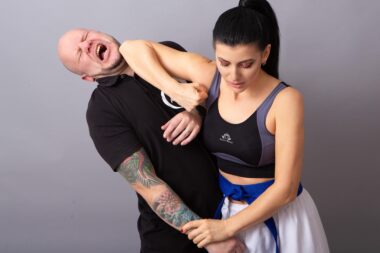
Mastering the fundamental techniques for escaping holds is vital for self-defense. Begin by learning how to break free from wrist grabs, one of the most common attacks. Utilize speed and leverage by rotating your wrist into the open palm while pulling your arm back. This creates enough space to escape. Additionally, you can seize the attacker’s hand and apply downward pressure, further freeing yourself. When faced with a bear hug grip, bend at your knees and lower your center of gravity, allowing you to forcefully shift out of the attacker’s grasp. Simultaneously, use your elbows to drive into their sides, maximizing your chances of escape. For chokes, focus on maintaining your airway by tucking your chin and using your hands to relieve pressure. A sudden forward motion, along with using your body weight, can effectively break free from holds. Keep practicing these techniques regularly to develop muscle memory. Enroll in self-defense classes to gain comprehensive guidance from trained instructors. As you become more proficient, consider advancing to complex holds and grabs, thus preparing yourself further for real-life encounters and enhancing your confidence under pressure.
In addition to mastering techniques, practicing these skills with a partner is essential for developing competency. Consistent and realistic practice scenarios simulate actual confrontational situations, better preparing you for real-life cases. Work with friends, fellow trainees, or instructors to practice escaping various holds and grabs. Importantly, both partners need to be mindful and respectful of each other’s safety while practicing. Start slowly, gradually increasing intensity as comfort and skills improve. This approach provides crucial feedback on your technique and timing, allowing for adjustments in your form. Utilize mats or padded flooring to minimize injury risk. Another effective way to enhance skills is to participate in sparring sessions focusing on grappling or self-defense scenarios. This controlled environment teaches you to think on your feet and employ the techniques you’ve learned. Instead of relying solely on brute strength, hone your skills to use technique, leverage, and timing effectively. Overall, make a commitment to practice regularly as this habit reinforces your learning and skill retention. A dedicated practice regime will enable you to escape common holds with confidence and security.
The Importance of Staying Calm
During a confrontation, remaining calm is paramount for effective self-defense. Panic can inhibit your ability to think critically and can lead to mistakes during a physical encounter. When faced with an attacker, take deep breaths to ground yourself, reducing anxiety. Focus on your training and visualize executing the escape techniques you’ve practiced. A clear mind allows you to assess the situation quickly and choose the best course of action. Understand, attackers often rely on the element of surprise to incapacitate their victims. By staying composed, you remove some of this power from the aggressor. Mental preparedness can enhance your self-defense abilities considerably. Regular visualization of your training can bolster your confidence during confrontations, enabling you to respond more effectively. Incorporate mental training into your routine by envisioning different scenarios and how you would handle them. Additionally, some practitioners incorporate meditation and mindfulness exercises into their training regime. This practice helps improve focus, reduces stress, and ultimately enhances your self-defense skills. Remember, the aim is to escape safely and efficiently, ensuring your physical and emotional well-being, while maintaining control over the situation.
Moreover, personal safety extends beyond just physical maneuvers; developing self-defense awareness includes psychological elements. Understanding your emotional responses in threatening situations is crucial to manage fear and anxiety effectively. Developing a strong assertive attitude can prevent confrontation by projecting confidence. Assertiveness sends a clear signal to potential aggressors that you are not an easy target, discouraging them from pursuing an encounter. Building this mental resilience is just as essential as learning physical escape techniques. Engage in role-playing situations in your training to practice your assertive communication. Verbal de-escalation in confrontational settings can diffuse tension and prevent the need for physical self-defense. Additionally, it’s critical to analyze your past experiences and identify any patterns in your reactions during stressful circumstances. This reflection fosters growth and helps you develop better strategies for managing fear. Journaling about your feelings and responses in self-defense training can also enhance your self-awareness, allowing you to adjust your body language and mindset accordingly. Always strive for improvement in both your physical and mental training, ensuring that you are well-prepared for any encounter.
Resources for Continued Learning
To further your self-defense training, leverage available resources continually. Books, online tutorials, and instructional videos provide valuable insights and techniques for escaping holds and grabs. Many experienced martial artists share their knowledge on platforms like YouTube, making it accessible for everyone. Joining self-defense workshops or community classes can provide hands-on training with professionals. These classes often emphasize different techniques, styles, and philosophies in self-defense, offering a well-rounded education. Furthermore, consider seeking specialized courses in self-defense awareness that explore psychology and verbal skills. Online forums and communities focused on self-defense can also be beneficial, encouraging discussions and sharing of experiences among practitioners. Engaging discussions create a supportive environment for learning and exchanging ideas. Attending seminars and special events can expose you to varied techniques taught by experts, enhancing your skill set. Additionally, don’t underestimate the power of self-defense-focused podcasts and webinars as learning platforms. By utilizing multiple resources, you can stay updated on new techniques and approaches to self-defense. Ultimately, committing to lifelong learning ensures that your skills remain sharp and effective.
In conclusion, effective self-defense training equips you with vital skills for escaping common holds and grabs safely. By mastering essential techniques, remaining composed, and continually learning, you enhance your personal safety. Remember, the primary goal in any confrontation is to escape, not engage in battle. Awareness of your surroundings, physical fitness, and assertive communication are key elements in self-defense success. Regular practice of escaping techniques fosters muscle memory, leading to quicker and more efficient reactions. Embrace training through classes, workshops, and online resources that align with your personal goals and interests. Establishing a routine that encompasses both physical and mental aspects of self-defense will yield the best results. Be mindful of your emotional responses during confrontations, as confidence in your capabilities can deter potential attackers. Finally, commit to continuous learning to adapt your skills, ensuring you’re prepared for various self-defense situations. By developing an all-rounded approach to self-defense, you empower yourself and take charge of your personal safety, a priceless asset for anyone navigating today’s unpredictable world.