
Pilates and Mental Wellness
Pilates is a fantastic exercise regime that emphasizes core strengthening, which in turn has been linked to improved mental wellness. When individuals engage in Pilates, they often experience a reduction in stress levels and an enhancement in mood. This dual benefit aids greatly in cultivating mental clarity and emotional stability. Not only does Pilates encourage physical strength and flexibility, but it also promotes mindfulness. The focus required in Pilates allows practitioners to connect mind and body, creating a holistic fitness experience. Additionally, a strong core contributes to better posture, ultimately facilitating a greater sense of self-confidence. Practicing Pilates regularly can stimulate the release of endorphins, the body’s natural mood elevators. Furthermore, the consistent practice of mindfulness associated with Pilates can help mitigate anxiety and depression. Many participants report feeling more grounded and centered after their sessions. Consequently, Pilates is not just an exercise; it becomes a form of therapy. Thus, integrating Pilates into a daily routine can significantly improve overall mental health and enhance emotional well-being. The mindful movements and breathing techniques serve as powerful tools for stress management.
Core Strength and Emotional Balance
A strong core is essential for various aspects of life, including emotional stability and balance. When practitioners strengthen their core through Pilates, they simultaneously build a solid foundation that supports their mental health. This physical aspect of Pilates fosters a sense of accomplishment, which can lead to increased confidence and self-esteem. As individuals feel physically stronger and more balanced, they often find that their emotional reactions become more stable, reducing feelings of anxiety and stress. Furthermore, the discipline required to master Pilates exercises helps individuals cultivate patience and resilience, both valuable traits in managing life’s challenges. When the core is strong, it contributes to overall body alignment and grace in movements, further enhancing one’s fluidity in life. This fluidity correlates with emotional flexibility, allowing practitioners to adapt and manage stressors effectively. Thus, a consistent Pilates practice can nurture emotional resilience. Moreover, the focus on controlled breathing provides moments of calmness, promoting relaxation. This synergy between physical and mental strength is vital for cultivating emotional health, demonstrating the profound relationship between core strength and emotional balance.
Mindfulness in Pilates Practice
Engaging in Pilates is not just about physical exertion; it is a significant exercise in mindfulness. Each movement in Pilates is deliberate, emphasizing breath synchronization and body awareness. This mindfulness practice plays a crucial role in managing stress and anxiety. By focusing solely on the present moment during Pilates sessions, participants can distract their minds from negative thoughts or worries. This act of mindfulness helps individuals become more aware of their bodies and encourages self-acceptance. As students learn to appreciate their progress and abilities, they often experience an increase in positive thinking and emotional well-being. Mindfulness through Pilates is beneficial because it removes distractions and channelizes energy into the movements. Gradually, this focus leads to deep relaxation, increasing clarity of thought and emotional stability. Furthermore, sustained mindfulness aids in developing emotional intelligence, allowing participants to respond to situations rather than react impulsively. Practicing mindfulness through Pilates creates a safe haven for individuals to reflect and reconnect with themselves, promoting mental wellness and emotional healing. The profound connection between body and mind nurtured in this practice leads to a holistic approach to well-being.
Physical Benefits Enhancing Mental State
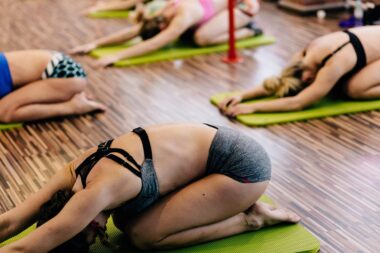
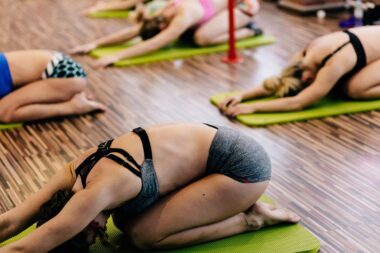
Regular Pilates practice can lead to numerous physical benefits that directly impact mental health. As flexibility and core strength improve, individuals experience relief from physical discomfort, which can significantly reduce stress levels and elevate mood. Many people find that engaging in physical activity releases pent-up energy and tension, enabling a more relaxed state of mind. Additionally, improved physical posture and alignment achieved through Pilates enhance one’s overall appearance, contributing to greater self-confidence. This boost in self-esteem can create a positive feedback loop, as feeling better physically often translates into better mental health. Pilates also trains the body to move more efficiently, which minimizes the risk of injury and promotes longevity in physical activity. This promotion of an active lifestyle enhances one’s quality of life. Furthermore, the camaraderie developed in group Pilates classes fosters social connections that can alleviate feelings of loneliness or isolation. In essence, the combination of physical enhancement through Pilates and the emotional benefits it brings creates a synergistic effect, inherently linking physical fitness with mental wellness, thus advocating a comprehensive approach to health.
Community Support in Pilates Classes
Joining a Pilates class can provide additional mental health benefits associated with community interaction. Engaging with others in physical activity creates a support network, fostering connections with like-minded individuals. These connections can significantly enhance motivation and dedication to maintaining a regular practice. Pilates classes often cultivate a sense of belonging and inclusivity, which is invaluable for mental well-being. Interaction with supportive peers can reduce feelings of isolation and boost motivation. In a group setting, participants can share experiences, challenges, and successes, fostering encouragement. This shared journey creates a positive atmosphere, essential for personal growth and healing. Moreover, community interactions can lead to lifelong friendships, providing emotional support outside of class. This social aspect can enhance adherence to the practice, ensuring that participants reap long-term benefits. The laughter and camaraderie generated in classes often lead to a joyous experience, reducing stress and cultivating happiness. Furthermore, motivating each other contributes to a culture of accountability, helping participants stay committed to their mental wellness journey through cumulative support. Overall, the community aspect of Pilates is a vital component of holistic well-being.
Setting Goals for Mental Clarity
Setting personal goals within your Pilates practice can enhance focus and clarity. Establishing clear, achievable objectives provides a roadmap to follow, thereby enhancing your chances for success. Having specific goals related to Pilates can help channel energy and drive mental clarity. Additionally, as individuals achieve their goals within their practice, they experience increased satisfaction and confidence, leading to improved emotional health. Regularly setting new goals can also prevent monotony, enhancing motivation and reinforcing a growth mindset. This mindset shift is important for emotional resilience, as it promotes adaptability and the ability to view challenges as opportunities for growth. Furthermore, incorporating mindfulness when setting these goals enhances their significance, allowing participants to connect with their true intentions. Acknowledging one’s progress while striving toward goals fosters a sense of accomplishment, which can directly improve mental wellness. Combining goal setting with Pilates creates a structured approach to personal development. Finally, maintaining flexibility in the goal-setting process allows individuals to reassess objectives and ensure alignment with their mental health needs. This holistic approach to setting goals, alongside regular Pilates, enhances both physical and mental wellness.
Conclusion: Pilates for Holistic Wellness
In conclusion, Pilates stands out as an exceptional practice linking core strength to mental wellness. The physical benefits of core strengthening translate into emotional stability and resilience, showcasing the profound interplay between body and mind. Incorporating mindfulness within the practice enhances mental clarity, reducing stress levels and encouraging self-acceptance. As individuals engage in Pilates, they develop both physical strength and improved mental health, establishing a holistic approach to wellness. Moreover, the community support found in group classes fosters social connections, forming a network that promotes motivation and love for the practice. Additionally, setting personal goals enhances clarity and satisfaction in one’s journey, promoting personal growth and emotional well-being. The blend of physical training and mental health benefits solidifies Pilates as a powerful tool for enriching lives both mentally and physically. Individuals are encouraged to incorporate Pilates into their daily routines as a vital step towards comprehensive wellness. By embracing the practice, one can experience a transformative journey towards better health, highlighting the essential connection between a strong core and a clear mind. Ultimately, Pilates serves as a pathway to achieving overall health and well-being.